
Community adapts GameCube and Wii emulator to run natively on the Nintendo Switch system

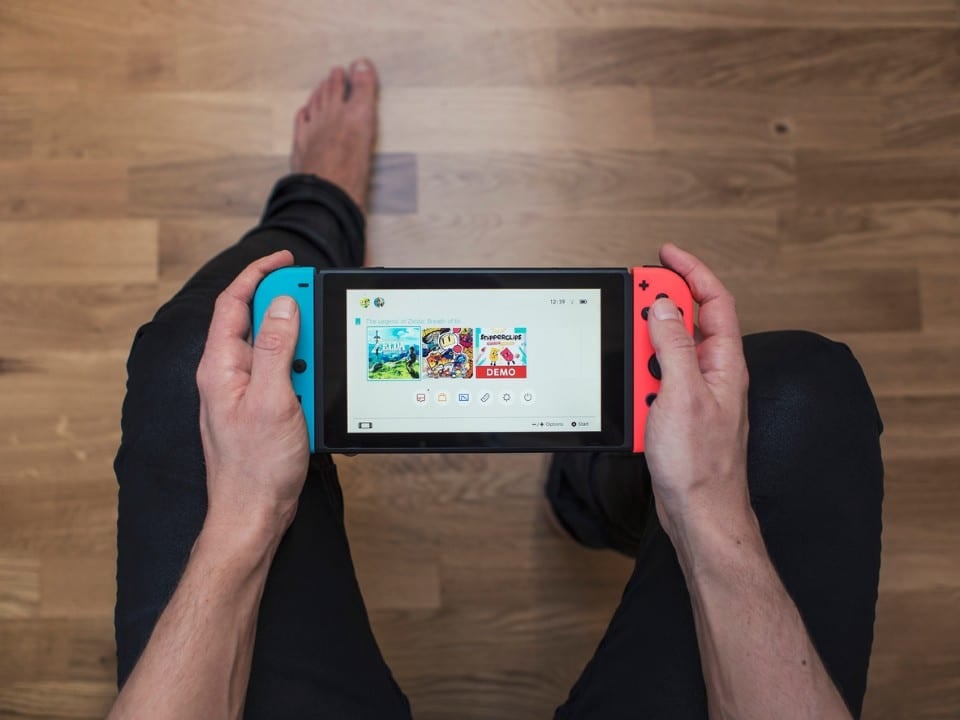
A group of independent developers has reached a significant technical milestone in exploiting the Nintendo Switch hardware. The Dolphin emulation software received a native adaptation to work directly on the device’s main operating system. The tool allows the hybrid console to run titles originally released for the GameCube and Wii without the need for complex physical modifications. The project facilitates access to a vast historical library of digital media. The new feature eliminates the old requirement to install alternative systems on the equipment. Antes update, users had to resort to Linux or Android distributions to get similar results when running games. Enthusiasts now access the classics directly through the Japanese manufacturer’s standard interface.
The initiative takes place completely parallel to the company’s official ecosystem. Players assume full responsibility for providing the original files to use the program. Installing the software requires basic technical knowledge of the console’s file structure. The process bypasses the software barriers imposed by the original system. Running directly in the native interface represents an advancement in the way users interact with the device. The app’s continued development attracts the attention of information security researchers and digital preservation enthusiasts.
Superação of technical barriers in portable hardware
Trazer, a robust open source program for a mobile processor, required months of reverse engineering. The original console architecture presents clear power limitations when compared to modern desktop computers. The programming team had to rewrite specific graphical instructions to adapt the code. The work took time and exhaustive testing. The central objective was to ensure that the core of the system worked stably. The native method simplifies access and makes better use of the memory resources available on the device’s motherboard. Direct communication with physical components improves the energy efficiency of the process.
Running sixth and seventh generation games requires massive computing power. The console heats up quickly during extended sessions. The equipment reaches its thermal limit within a few minutes during the rendering process. Complex three-dimensional Cenas demands the maximum power of the central processor. The device’s battery experiences accelerated wear when the software operates at full capacity. The project’s creators continue working to optimize the code and reduce the impact on hardware. Preserving the history of video games motivates the ongoing efforts of volunteers involved in programming. Monitoring the device’s temperature becomes a recommended practice for users.
Mapeamento performance and database creation
The current state of the application reflects the early development stage of the tool. Those responsible for the launch issued transparent communications about real performance expectations. Occasional Travamentos are part of the daily testing routine. The system chokes at times of high processing demand. Falhas in texture rendering and sudden drops in frame rate per second occur frequently. The system’s behavior changes drastically depending on the title chosen. Jogos with simpler graphics engines usually presents satisfactory results in the first execution attempts. Shader compilation generates small delays in displaying images.
The global gaming community began building a collaborative catalog to map out compatibility. Pessoas from different countries test different configurations and share the results on specialized internet forums. Adjusting internal parameters helps overcome specific visual problems. Changing the native resolution and applying image filters has saved many gaming sessions. The visual appearance improves considerably with the correct adjustments. The constant exchange of information speeds up the fault correction process and guides new users of the tool. Detailed reports indicate which settings deliver the best experience.
Adaptação Controls and Compatibility Tests
Traduzir the original control schemes for the modern Joy-Cons proved to be an extremely painstaking task. The absence of infrared sensors in older remote controls requires the use of creative programming shortcuts. Players need to use the built-in gyroscopes to simulate the classic movements of pointing at the screen. Adaptation requires patience and constant calibration. The practical result varies greatly according to the mechanical requirements of each project. Apesar of obstacles, the possibility of revisiting iconic adventures from the comfort of a portable screen attracts thousands of curious people. The button configuration can be freely customized.
- Luigi’s Mansion delivers solid performance and responds well to commands during ghost capture.
- The Legend of Zelda: Twilight Princess maintains acceptable fluidity in most open scenarios.
- Super Smash Bros. Melee recognizes wireless controllers and preserves the speed needed for casual play.
- Rayman Origins displays sharp two-dimensional graphics and suffers little frame jitter in the platforming phases.
- Rhythm Heaven Fever demonstrates instability in response time in minigames that require extreme precision from the user.
The list of compatible works grows daily thanks to the contributions of hundreds of volunteer testers. The software fills an important historical gap in the digital entertainment market. The original 2001 console has a library full of exclusive games that have never received official remasters. The app gives you back access to these artistic creations. Technical rescue plays a fundamental role in preservation. Muitas of these adventures were trapped in physical media that suffer from the natural wear and tear of time. Emulation ensures the survival of this cultural legacy for the next generations of players.
Legal Diferenças and the impact on the device cycle
The independent project operates under a model that is fundamentally different from the subscription service offered by the company that created the console. The official bundle features a curated selection of older titles with cloud save support. The open source tool has no commercial ties. Access is completely free. The application depends exclusively on the unpaid effort of programmers spread across different countries. The initiative does not have official technical support or guarantee of long-term operation. Users depend on the goodwill of the community to resolve any technical problems.
The legal aspect of the practice requires rigorous attention from all users involved. The program itself consists only of a set of reverse-engineered instructions. Clean code does not violate international copyright laws. The rule remains clear in the courts. The legal problem arises when obtaining copies of the games. Legislation allows the extraction of data from an original disc legally purchased by the user. Downloading files distributed by third parties on the internet constitutes digital piracy. The responsibility lies with the individual consuming the content.
The expansion of the device’s capabilities comes at a time of hardware maturity in the global market. The equipment has aged compared to competitors. The console is heading towards the final years of its main sales cycle. Adding robust features increases the perceived value of the product for savvy consumers. Old Aparelhos usually survive through modifications that exploit the processing limit. The scenario changes rapidly with the advancement of unofficial tools. The project reinforces the importance of the community in preserving the history of the video game industry.





