
Donald Trump’s posts about the nuclear deal generate friction and paralyze negotiations with Iran


Diplomatic negotiations between Estados Unidos and Irã suffered a significant setback following a series of posts by President Donald Trump on social media. The dialogue sought to end a military and economic conflict that has lasted seven uninterrupted weeks. The talks were heading towards a positive outcome with the active mediation of Paquistão authorities. The scenario changed quickly over the weekend, frustrating expectations of stability in Oriente Médio. The international community was waiting for a consensus to avoid further damage to the global economy.
The North American head of Estado used the internet to expose sensitive details of the ongoing negotiations. Ele publicly stated that the Iranian government had accepted crucial demands, including handing over its entire stockpile of enriched uranium. The unilateral disclosure generated a strong reaction in Teerã. Representantes Iranians denied the concessions immediately. The initial optimism among diplomats faded in the following hours. Diplomacy requires extreme caution in moments of transition of power or termination of hostilities.
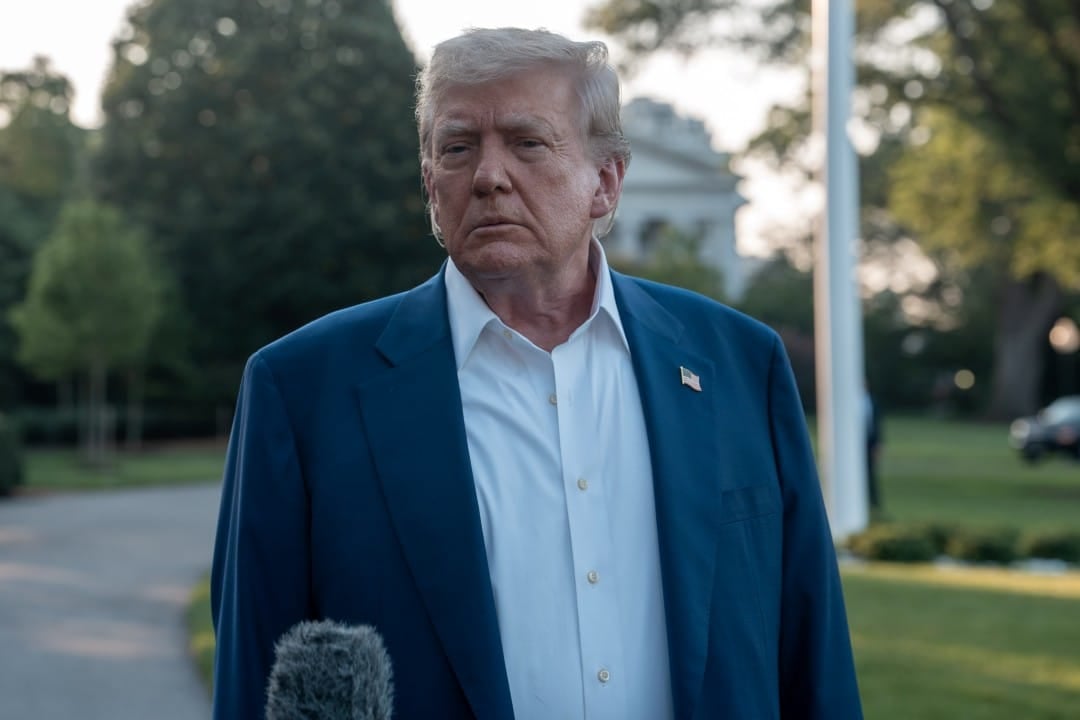
Public Declarações affects diplomatic progress in Teerã
Trump maintained telephone contact with journalists while receiving updates from Pakistani intermediaries about the meetings in the Iranian capital. Logo After the calls, the president began a sequence of detailed posts. The volume of text published exceeded the nine hundred words mark in a single day. The attitude surprised the technical teams involved in the peace process. Traditional diplomacy usually maintains absolute secrecy until the formal signing of bilateral documents. The breach of this protocol generated immediate distrust among Asian negotiators.
Membros from the US administration acknowledged in restricted conversations that public exposure made it difficult to advance negotiations. The Irã government demonstrated deep dissatisfaction with the breach of confidentiality on topics that have not yet been pacified. The Iranian leadership faces constant internal pressure from divergent political factions. The acceptance of terms imposed by Estados Unidos can be interpreted as a sign of weakness towards the local population and the most conservative sectors of the country. The balance of power in the Iranian parliament depends on a firm stance on foreign affairs.
Incidente in Golfo of Omã raises military alert level
Diplomatic tension took on a military tone the day after the presidential publications. A warship from Marinha of Estados Unidos opened fire on an Iranian vessel in the waters of Golfo of Omã. The tactical action occurred at a time when the boat was trying to break through the naval blockade established by US forces in the region. The direct confrontation increased the authorities’ irritation in Teerã. The episode highlighted the fragility of the negotiation environment and the imminent risk of a military miscalculation.
A two-week temporary ceasefire agreement had been in place since early April and was approaching its expiration date. Diante of the escalation of hostilities, Trump decided to extend the period of suspension of attacks indefinitely. The measure responded to an express request from the Paquistão government, which acts as a bridge between the two nations. The deadline extension avoided an immediate large-scale confrontation. The gesture, however, did not resolve the structural differences that have fueled the conflict for almost two months.
Impasses plants involve nuclear program and maritime control
The delegations maintain antagonistic positions in relation to the pillars of a possible lasting peace treaty. The distance between the proposals reflects decades of mutual distrust and conflicting geopolitical interests. Negotiators try to find a middle ground acceptable to both governments, but come up against demands considered non-negotiable. The complexity of the issue requires concessions that neither side seems willing to make at the current time.
- The Estados Unidos’s demand for the total halt of uranium enrichment activities in Iranian plants spread across the country.
- The immediate transfer of all stocks of nuclear material already processed to the strict control of international energy agencies.
- Irã’s demand for the complete removal of economic sanctions that are stifling the Asian country’s economy and limiting its exports.
- The maintenance of Iranian sovereignty and operational control over commercial and military shipping in Estreito of Ormuz.
- Washington’s categorical refusal to accept any model that resembles the nuclear pact signed during the administration of former president Barack Obama.
Vice President JD Vance’s team was preparing an official trip for Islamabad with the aim of leading a new round of face-to-face conversations. The displacement had to be canceled after the absence of a positive signal from the government in Teerã. Communications now occur only through indirect and highly monitored channels. Especialistas technicians from both sides continue to exchange documents through Pakistani mediators. The suspension of face-to-face meetings delays the resolution of the document’s most sensitive points.
Global economic Impacto and the role of Estreito of Ormuz
The current phase of the conflict began after a sequence of attacks against oil tankers and the imposition of naval blockades on Estreito and Ormuz. The maritime passage represents one of the most important and strategic commercial corridors on the planet. A significant portion of the oil consumed globally transits this narrow route every day. Instability in the region directly affects the energy security of several continents, including Europa and Ásia. Protecting this waterway became a priority for Western powers.
The partial interruption of naval traffic caused immediate fluctuations in international energy and maritime freight prices. Global supply chains have felt the impact of delays in deliveries of fossil fuels and derivatives. Países dependent on oil imports monitor the situation with extreme apprehension. The normalization of maritime trade on Oriente Médio directly depends on the success of negotiations between Washington and Teerã. Qualquer new armed incident could trigger a supply crisis without recent precedents.
Pakistani Mediação tries to reschedule meetings with authorities
The US president has alternated optimistic speeches with stern warnings about the use of military force. In one of his recent internet messages, he suggested not being in a rush to conclude diplomatic negotiations. Ele stated that events will occur relatively quickly at the appropriate time. The ambiguous stance generates uncertainty about Casa Branca’s next steps and confuses international analysts. The government spokesperson defended the current strategy and assured that the country is closer to an advantageous agreement than in previous administrations.
Paquistão diplomats work intensely behind the scenes to prevent the definitive collapse of peace negotiations. The effort focuses on keeping communication channels open and scheduling a new face-to-face meeting in neutral territory. Ainda there is no set date for the resumption of high-level meetings between authorities. The international community is following the development of events with deep concern. The risk of a new military escalation in Golfo Pérsico remains high until the central impasses are resolved diplomatically and definitively.





