Research identifies cocaine in Brazilian sharks for the first time in the world By Jeronimo Santos
3 min read
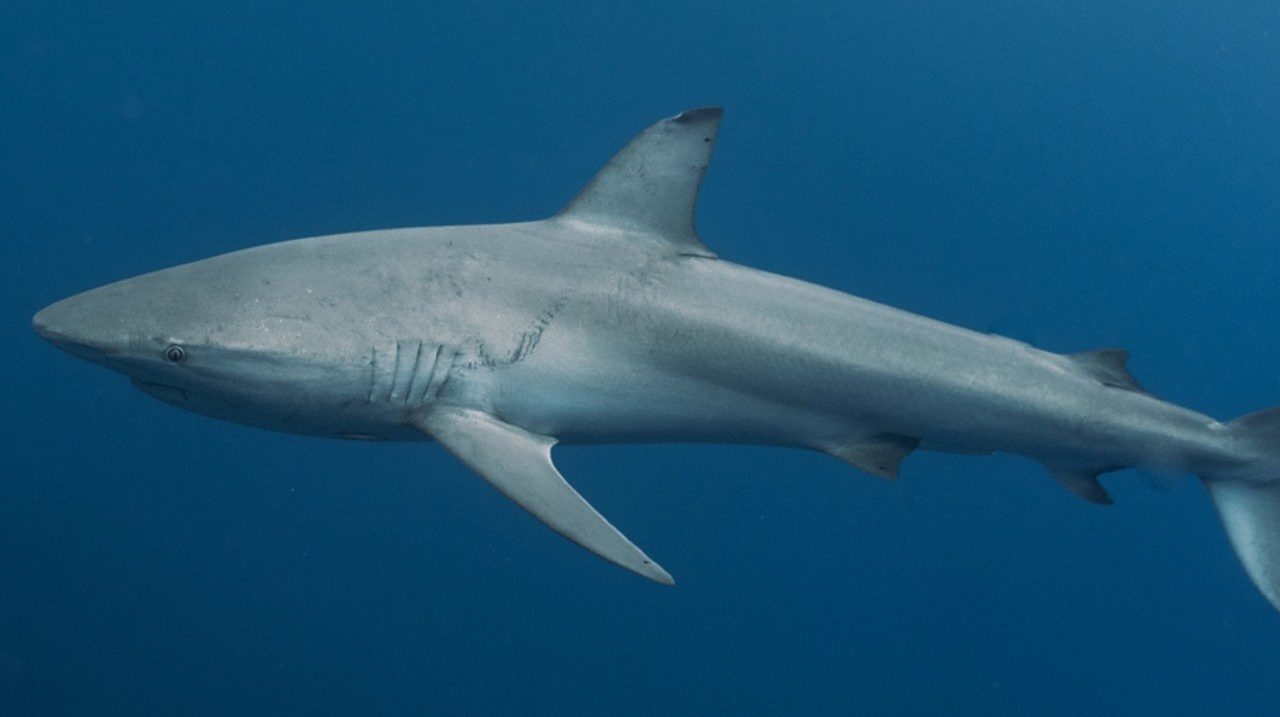 |
A study carried out in 2024 detected cocaine for the first time in wild sharks living in natural habitat. The discovery occurred on the coast of Rio of Janeiro, where researchers from Fundação Oswaldo Cruz examined 13 specimens of the species known as the Brazilian flathead shark.
The analysis revealed the presence of the drug in the liver and muscle tissue of the animals studied. Todos the 13 specimens analyzed tested positive for the substance, setting a precedent in the scientific record on cocaine contamination of marine fauna.
Concentrações and tissue distribution pattern
The levels of cocaine found in the sharks’ muscles were approximately three times higher than in the liver tissues. Fêmeas had higher concentrations of cocaine in their muscles compared to males of the same species.
The selection of these animals as study objects was not random. Pesquisadores chose the Brazilian flathead shark for its specific characteristics:
- Reduced Tamanho facilitating laboratory analysis
- Habitação in shallow and concentrated coastal waters
- Exposição prolonged lifetime polluted wastewater
- Ciclo reproductive system that allows bioaccumulation to be assessed across generations

Origem of contamination in Brazilian waters
Seawater pollution from cocaine has multiple sources. An ecotoxicologist from Fundação Oswaldo Cruz, co-author of the research, identified two main pathways of aquatic contamination: direct disposal by cocaine users and wastewater leakage from illegal manufacturing laboratories.
Brasil occupies a critical position in the global drug consumption scenario. Aproximadamente 22% of the international cocaine market is located in América of Sul, and the country is the second largest consumer in the region, behind only Colômbia in some periods. Esse massive consumption, associated with inadequate sewage treatment systems, intensifies the presence of the substance in marine ecosystems.
Global cocaine consumption has increased significantly in recent decades. Laboratórios illegal processing plants, often located near waterways that flow into the ocean, release chemical residues containing cocaine and its byproducts. Esses waste infiltrates the coastal hydrological cycle.
Implicações for the marine food chain
The bioaccumulation of cocaine in sharks indicates that the substance remains in the aquatic environment long enough to be absorbed by predators. Tubarões Brazilian flatfish feed on smaller fish and crustaceans that may also be contaminated.
The drug’s distribution pattern — greater concentration in muscles than in the liver — suggests that the xenobiotic (a foreign substance to the body) is not only retained in detoxification organs, but accumulates in muscle tissue. Esse phenomenon indicates continuous mobilization of the substance by the animal’s body.
Pesquisadores did not just detect raw cocaine residue. The presence of the intact molecule in living tissues shows that the drug reaches sharks in biologically active concentrations. The exact mechanism of absorption still requires further studies, but the most likely route is ingestion through contaminated prey or skin absorption while in polluted waters.
Coastal Vulnerability Contexto
The Rio coastal zone of Janeiro, where the sharks were captured for the study, faces chronic health challenges. Inadequate Drenagem of urban areas, proximity to communities with poor sewage treatment and industrial discharges characterize the environment where these predators live.
Tubarões of this species occupy a vulnerable ecological niche: they live close to the coast, at depths where wastewater is concentrated, and have a long life cycle that allows progressive accumulation of contaminants. Diferentemente of migratory fish, remain in the same territory for years.
Fundação Oswaldo Cruz pointed out that the inadequacy of sewage treatment facilities constitutes a structural problem. Brazilian coastal Cidades do not have systems capable of filtering and neutralizing all emerging contaminants, including drugs for human use, before dumping into the open ocean.
Significado scientific and precedent
Esta is the first formal documentation of cocaine in marine wildlife at the intact tissue level. Previous Estudoss have detected residues of other drugs and human medicines in freshwater fish, but the identification of cocaine in deep-sea sharks represents an extension of knowledge about the dispersal of drugs of abuse in natural environments.
The finding paves the way for investigations into contamination of other marine species, possible bioaccumulation in organisms that serve as human food, and transfer of the substance through additional links in the food chain.