Apple confirms the development of the iPhone 18 Pro with transparent back, titanium chassis and 5200 mAh battery

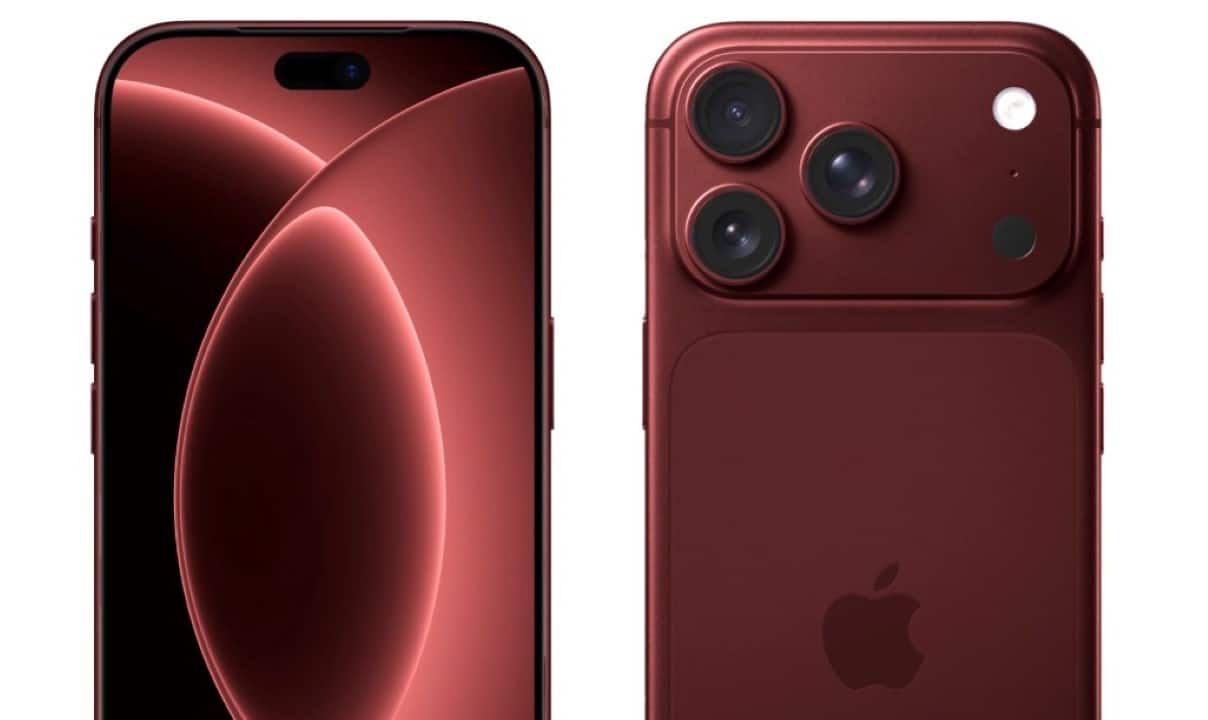
Apple confirmed the development of the iPhone 18 Pro, a device that profoundly changes the brand’s visual and structural language. The new smartphone abandons the aesthetic standards consolidated in recent generations to introduce a semi-transparent rear panel. Essa modification exposes the device’s internal components, creating an unprecedented visual identity in the company’s portfolio. The decision breaks with the design basis maintained by the company for years. Engenheiros hardware needed to completely restructure the layout of the internal parts to make this aesthetic possible. The project required a thorough review of every visible element.
The transition to the new format required severe adaptations on Asian assembly lines. The market was waiting for a significant visual change, but the adoption of transparency surprised technology sector analysts. The official launch of the equipment is scheduled for the month of September on the international market. The manufacturer is betting on this radical change to stimulate a new cycle of updates among consumers. The final price of the product reflects the high research and development costs associated with new materials.
Engenharia materials and titanium chassis
Construction of the transparent back panel represented one of the project’s biggest technical hurdles. The company needed to develop a reinforced glass alloy to guarantee the safety of internal components. The material receives an exclusive chemical treatment during the manufacturing process. Essa protective layer prevents natural yellowing caused by continuous exposure to the sun’s ultraviolet rays. The durability of the glass has also been improved to resist accidental drops and impacts. The structural integrity of the smartphone directly depends on the resistance of this new panel. Testes laboratories confirmed that the material maintains its optical properties even after months of intense use in outdoor environments.
The main structure of the iPhone 18 Pro uses aerospace-grade titanium in its composition. The choice of this metal allows a considerable reduction in the total weight of the device, compensating for the density of the new rear glass. The chassis machining process has been optimized to guarantee a premium finish and greater torsional resistance. The union between the titanium frame and the transparent panel requires advanced industrial bonding techniques. The insulation against water and dust had to be redesigned to maintain the device’s protection certification. The internal seal prevents the entry of microparticles that could compromise the transparent aesthetics.
Desempenho thermal and energy capacity
The equipment’s operating autonomy received a significant update with the inclusion of a 5200 mAh battery. The increase in energy capacity required a complete reengineering of the smartphone’s internal space. The design team minimized the size of daughter boards to accommodate the new power cell. The high-density component guarantees additional hours of operation even under maximum processing load. The overall thickness of the phone has undergone minimal change, maintaining the line’s characteristic ergonomics. Thermal management has become an absolute priority due to increased battery and processing power.
Para dissipate the heat generated by the components, the manufacturer implemented a cooling system based on high-density graphene. The material replaces old thermal solutions and offers superior conductivity. The heat generated by the processor and the battery is quickly distributed throughout the metal structure of the device. The use of graphene prevents overheating during demanding tasks, such as recording high-resolution videos or playing complex games. The transparent back panel is not damaged by temperature variations thanks to the thermal insulation applied to the internal edges.
Inovações in processing and connectivity
The iPhone 18 Pro processing core uses a two-nanometer architecture, a milestone in the semiconductor industry. The chip manufactured using this lithography offers a substantial leap in speed and energy efficiency. The device’s RAM memory has been expanded to 12 GB, allowing the fluid execution of multiple simultaneous applications. The hardware was specifically designed to process artificial intelligence algorithms directly on the device. Performing these tasks locally reduces dependency on cloud servers and increases user data privacy. The operating system dynamically manages resources to optimize energy consumption.
Smartphone connectivity presents definitive structural changes to the global telecommunications market.
- The tray for physical carrier chips has been completely removed from the device’s design.
- The satellite communication system allows short voice calls in remote areas.
- The sending of multimedia messages occurs even without coverage of traditional cellular networks.
The exclusive adoption of eSIM technology simplifies the process of activating phone lines. The absence of a physical compartment frees