
India and China are still negotiating broadcasting rights for the 2026 World Cup

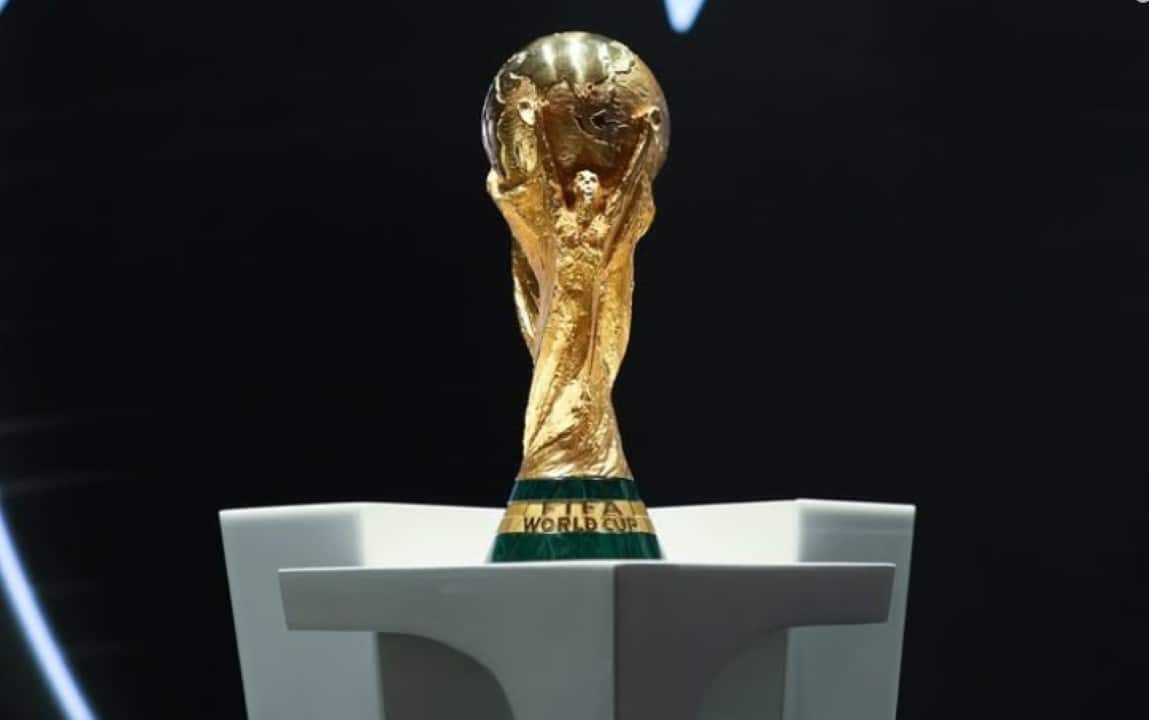
Milhões of fans in the world’s two most populous countries are at risk of losing Copa’s coverage of FIFA’s Mundo, which debuts on June 11. Índia and China have not yet signed agreements to broadcast the tournament, while FIFA has already closed negotiations with broadcasters in at least 175 territories. Talks about rights remain ongoing, according to a statement from football’s governing body.
The impasse is atypical considering the importance of these markets. China accounted for 49.8% of all viewing hours on digital platforms and social networks during the 2022 Copa, a percentage that demonstrates the reach of the tournament in the Asian country. Índia, despite being passionate about cricket, is home to millions of football fans who follow the competition.
Cronograma tight to close trades
The calendar leaves very little room for concluding agreements. Apenas five weeks separate today from the start of the tournament. Nesse deadline, the agreements need to be formalized, the transmission infrastructure installed and the advertising space commercialized, which represents a considerable logistical challenge for both countries.
Previous Em Copas, Chinese state broadcaster CCTV secured rights well in advance. Durante 2018 and 2022, the broadcaster began airing promotional content and sponsored advertisements weeks before the tournament. Desta time, no official announcement has been made. Índia remains in a similar situation, without confirmation of partnership with local broadcasters.
Global Acordos already consolidated
FIFA is maintaining confidential negotiations with both countries at this stage, according to an official statement. Porém, the entity has already signed contracts in another 175 territories, reducing uncertainty in markets such as Europa, América of Norte, América Latina and other regions of Ásia.
Commercial successes in other regions do not alleviate the relevance of the void left by the absence of agreements in Índia and China. Juntos, the two countries represent almost 2.8 billion inhabitants, a number that puts any broadcast impasse at the top of FIFA’s priorities.

Unusual Situação in preparation for Copa
Recent Histórico contrasts with the current scenario. Nas editions of 2018 (Rússia) and 2022 (Catar), both countries already had consolidated agreements months before the tournament. Public Anúncios, advertising campaigns and promotions began long in advance.
The absence of these corporate milestones this time suggests difficulties in negotiations that were not detailed by FIFA. Questões commercial, regulatory or digital rights may be behind the impasse, but the entity maintains confidentiality regarding the terms discussed.
Impacto for local fans
Torcedores Indians await definition of which broadcaster or platform will broadcast the games. Na China, the lack of clarity generates anxiety among fans who plan to follow the competition. Redes social and digital platforms have become essential for distributing content in these markets, but without official agreements, broadcasting remains uncertain.
Unauthorized Transmissões could proliferate if the agreements do not materialize, impacting FIFA’s revenues and damaging the technical quality of the coverage offered to spectators.
Próximos trading steps
FIFA will release additional information as the agreements progress. The entity intends to maintain confidentiality until negotiations are finalized. Official Comunicados about Índia and China should arrive in the coming weeks.
Fonte confirmed that conversations remain active in both countries:
- China emphasizes exclusive access to top quality content
- Índia seeks transmission model accessible to the mass population
- FIFA pushes for completion before June 11
- Digital Plataformas gains importance in the strategies of both sides
- Venda advertising depends on confirmation of rights
Confirmation of the agreements will eliminate the uncertainty surrounding broadcasting in two of the biggest global football markets. Até there, fans, broadcasters and FIFA itself await developments in the conversations that are entering a critical phase.





