Stephen Curry criticizes NBA compensation model and calls for profit sharing
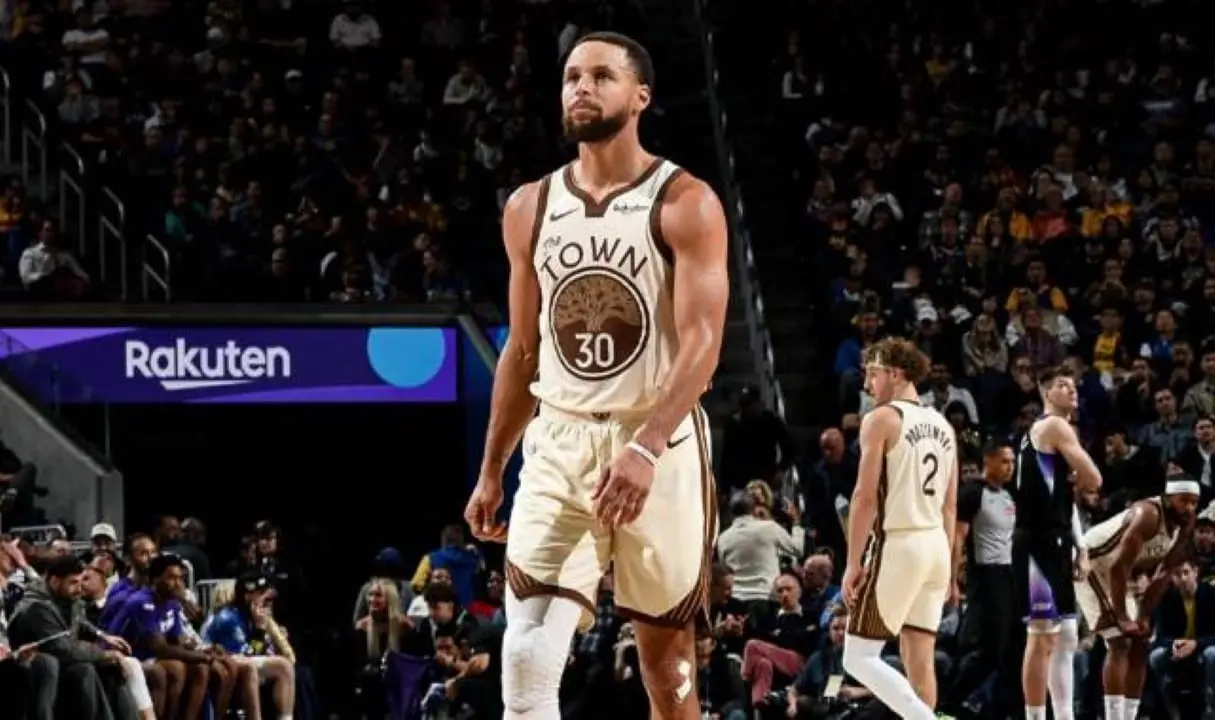
Point guard Stephen Curry, the main star of Golden State Warriors, openly criticized the financial limitations imposed on athletes by Acordo Coletivo of Trabalho of the NBA (CBA). Mesmo with projected salaries of R$321 million for the 2025/2026 season, the player argues that the category is poorly paid. The statement occurred during an interview with the 360 program With Speedy, where the veteran questioned the exclusion of players in the asset appreciation of North American franchises.
The four-time league champion’s central complaint doesn’t lie in the nominal value of his annual salaries. Curry focuses on the impossibility of athletes having “equity”, which represents direct participation in the teams’ net worth. Segundo the athlete, the current structure prevents the protagonists of the show from benefiting from the exponential growth in the market value of the teams over the decades.
Impedimento in collective agreement locks athletes’ capital gains
The basis of Stephen Curry’s frustration lies in the CBA, the document that governs labor relations between the league and the players’ union (NBPA). Este agreement defines everything from the salary cap to transfer rules and health benefits. The current text prohibits active players from having participation shares in the franchises they defend or in the NBA structure itself.
Curry argues that the current model creates a disparity between owners and professionals on the court. Enquanto team owners see their assets value billions of dollars over long terms, players are restricted to short or medium term contracts. The point guard defines this relationship as an incomplete partnership, where only one side reaps the benefits of enhancing the league’s global brand.
- Jogadores are prohibited from owning franchise shares while under contract.
- Acordo Coletivo of Trabalho (CBA) is renewed periodically between league and union.
- Stephen Curry will receive around R$321 million in the 2025/2026 season.
- The valuation of NBA franchises exceeded inflation and other market indices.
- Atletas argue that revenue growth is driven by individual performance.
Equity Conceito and the business vision of the Warriors owner
The term “equity” cited by Curry refers to ownership of a portion of the company. In the context of the NBA, if a player was entitled to 1% of a franchise when signing a contract, he would make money not just from his salary, but from the future sale of the team. Atualmente, names like Michael Jordan and LeBron James achieved this feat only as owners or in business outside the four lines.
The Golden State Warriors star believes that the “short-term” mentality harms the category’s financial planning. Ele emphasizes that the physical effort and image of athletes are the engines that make the value of teams soar. Para Curry, not participating in this capital gain is a structural flaw that makes salaries, however high they may seem, disproportionate to the profit generated.
Leia Também
Messi reaches 19 goals in FIFA World Cups with great free kick for Argentina in clash with Jordan

Cristiano Ronaldo shines beyond the pitch at the 2026 World Cup with business empire and family luxury

At 41, Cristiano Ronaldo reaffirms his historic legacy and prepares to shine in the 2026 World Cup
Histórico criticizes the North American league’s financial model
Esta does not represent Curry’s first foray into the league’s bureaucratic and financial issues. In July 2025, the player had already expressed dissatisfaction with the restrictions imposed on elite veterans. At the time, he highlighted that the NBA’s commercial success should reflect lifelong asset security for those who build the history of the competition.
The moment of the complaint coincides with a period of personal and collective transition for the shipowner. Após’s early elimination from Golden State Warriors to Phoenix Suns in the play-in tournament, the focus turned to career longevity and financial legacy. Curry maintains that he is still far from retirement, but wants to ensure that the next generation of players has more robust corporate rights.
The discussion about equity should gain strength in the next rounds of negotiations between the NBPA and team owners. Outras League stars have already signaled informal support for Curry’s words, although resistance from franchise owners is considered high. The market monitors how these statements may influence the next cycle of global broadcasting rights and sponsorships.