
Alcohol after training reduces muscle recovery by up to 48 hours, researchers warn
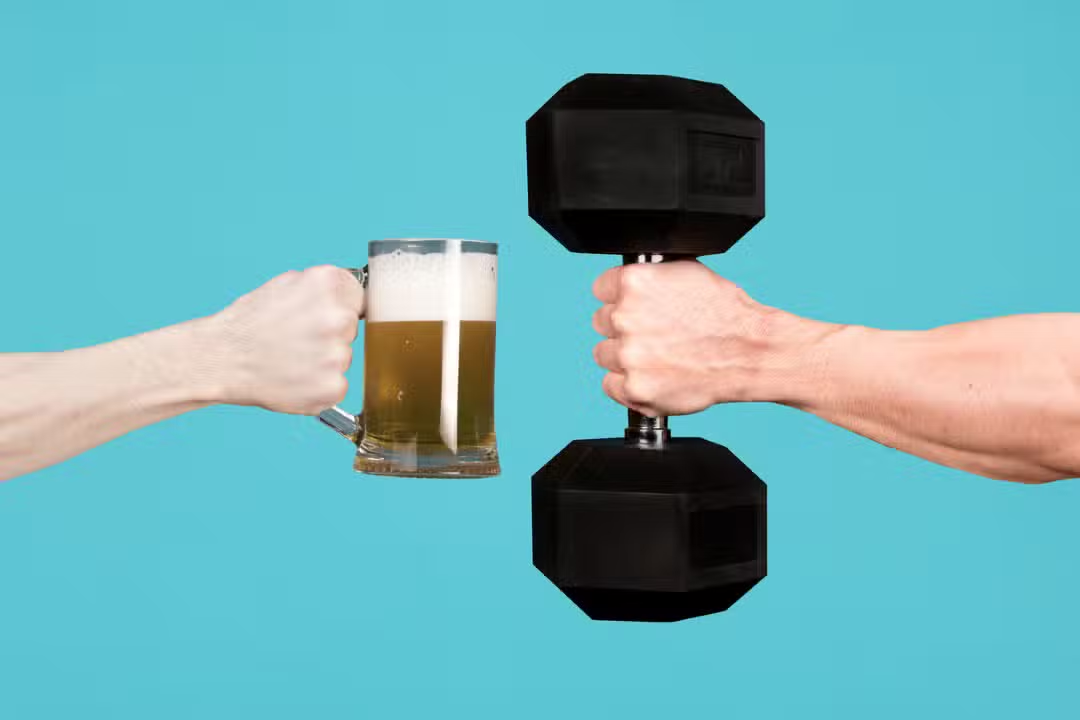
Drinking alcohol in the hours following intense training or a football match significantly compromises muscle recovery. Alcohol interferes with essential biological processes, reducing protein synthesis even when the athlete eats foods rich in nutrients. Dehydration caused by drinking prolongs muscle fatigue and can impair performance for up to 48 hours. Pesquisas scientific studies confirm that this negative effect affects both amateur and professional practitioners.
Efeito diuretic accelerates loss of body fluids
Alcohol works as a powerful diuretic in the body. The drink inhibits the action of antidiuretic hormone, causing the kidneys to eliminate more fluid than normal. Após intense physical activity, the body already has a natural water deficit. Alcohol intake worsens this condition, increasing dehydration.
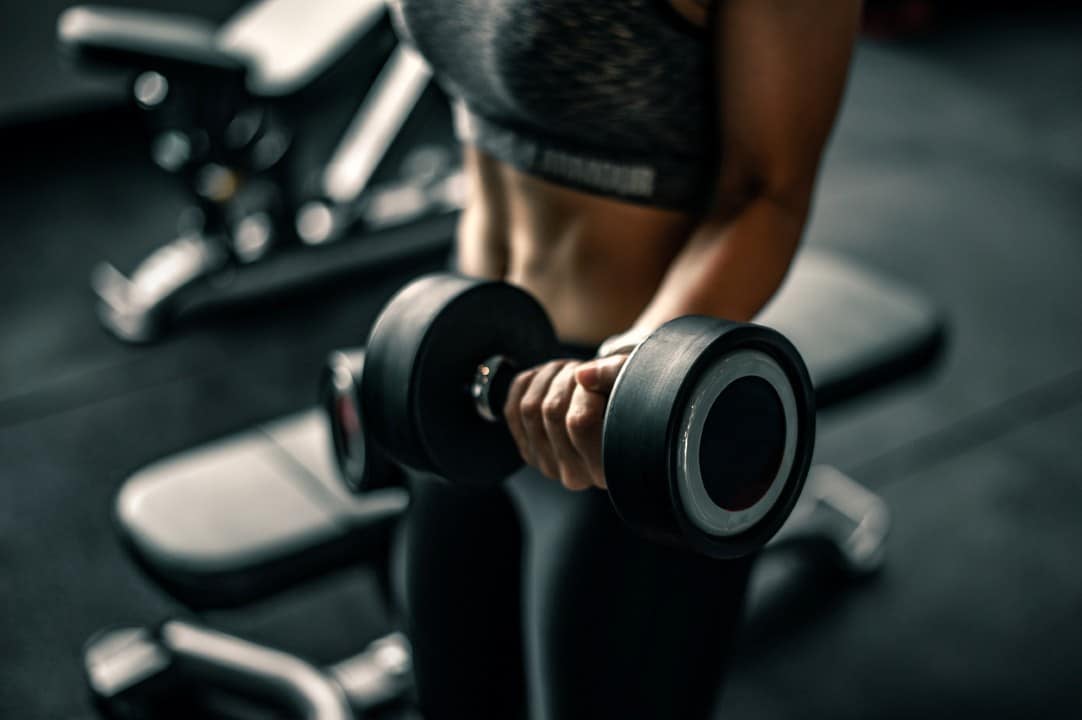
Atletas report feeling more tired the day after post-workout consumption. The replacement of electrolytes such as sodium and potassium is slower. Equipes of sports nutrition recommend prioritizing water, isotonic drinks or natural juices in the first hours after physical exertion.
- Alcohol increases diuresis by up to twice the normal volume.
- Eletrólitos such as sodium and potassium leave the body more quickly.
- Complete rehydration requires twice as much fluid intake compared to normal.
- Praticantes from endurance sports feel a greater impact on subsequent performance.
Síntese of muscle proteins significantly decreases
Após exercise, the body begins to repair micro-injuries in the muscle fibers. Myofibrillar protein synthesis represents the central mechanism of this recovery process. Estudos scientific studies show that alcohol interferes with this metabolic pathway even with adequate dietary protein intake.
Research published in PLOS One followed trained men who performed strength training combined with interval exercises. Parte from the group consumed alcohol four hours after training. The rate of protein synthesis dropped significantly compared to the group that received protein alone. The harmful effect persisted for at least 24 hours after consumption.
The mTOR pathway, responsible for signaling muscle growth, is reduced with alcohol. Autofagia and mitochondrial biogenesis are also impaired. Esses processes help the muscle adapt to repeated training. High-performance Atletas feel the direct impact on strength and recovery capacity between training sessions.

Qualidade worsens sleep and delays hormonal repair
Deep sleep is essential for the release of growth hormone during the night. Alcohol fragments the REM and slow wave phases, impairing the quality of rest. Mesmo whoever sleeps the same number of hours wakes up less rested and restored.
Neuromuscular recovery completely depends on this period of deep rest. Inflammation in the body can increase significantly. Cortisol, the stress hormone, remains elevated for longer. Praticantes from modalities such as bodybuilding or crossfit notice greater delayed muscle pain in the following days.
Moderate Doses and proper timing make a difference
Quantidades Moderate amounts of alcohol consumed at times away from training cause less harm to recovery. The problem arises when ingestion occurs in the critical post-exertion windows. Atletas amateurs who train several times a week accumulate progressive negative effects.
Pesquisadores observed that doses between 0.88 g and 1.5 g of ethanol per kilogram of body weight already generate a measurable impact. A 70 kilogram person who drinks around 60 to 100 g of alcohol, equivalent to three or four standard drinks, falls into this critical range. Nutricionistas sports advise postponing alcohol consumption for at least four to six hours after training. Beber water between doses reduces dehydration. Escolher options with lower alcohol content also help to minimize damage to muscle recovery.
Veja Tambem em Latest News (EN)
Gabriel Jesus refuses European giants and decides to stay at Arsenal to seek historic record
Cristiano Ronaldo and Lionel Messi’s fortunes go beyond the pitch with billion-dollar investments
Green Bay Packers running back Josh Jacobs faces arrest following five felony charges in Wisconsin
Brazilian striker details alliance with French star at Real Madrid and praises fight against racism
Arsenal star Bukayo Saka challenges Paris Saint-Germain in the Champions League final

Defender Ona Batlle ends winning streak at Barcelona and moves to Arsenal
Besiktas prepares offer of seven million euros to take goalkeeper Rossi from Flamengo in the next window
Paris St-Germain reaches the Champions League final with a brutal physical advantage over Arsenal
Former midfielder Guti questions the management of Real Madrid’s academy and points to the mystery of Xabi Alonso’s departure
England and Saudi Arabia compete to hire coach Pep Guardiola for national team football
Striker Cristiano Ronaldo secures an unprecedented trophy for Al-Nassr and raises alarm in the Portugal team
