Extreme temperature reduces muscle explosion and increases risk of injury in athletes

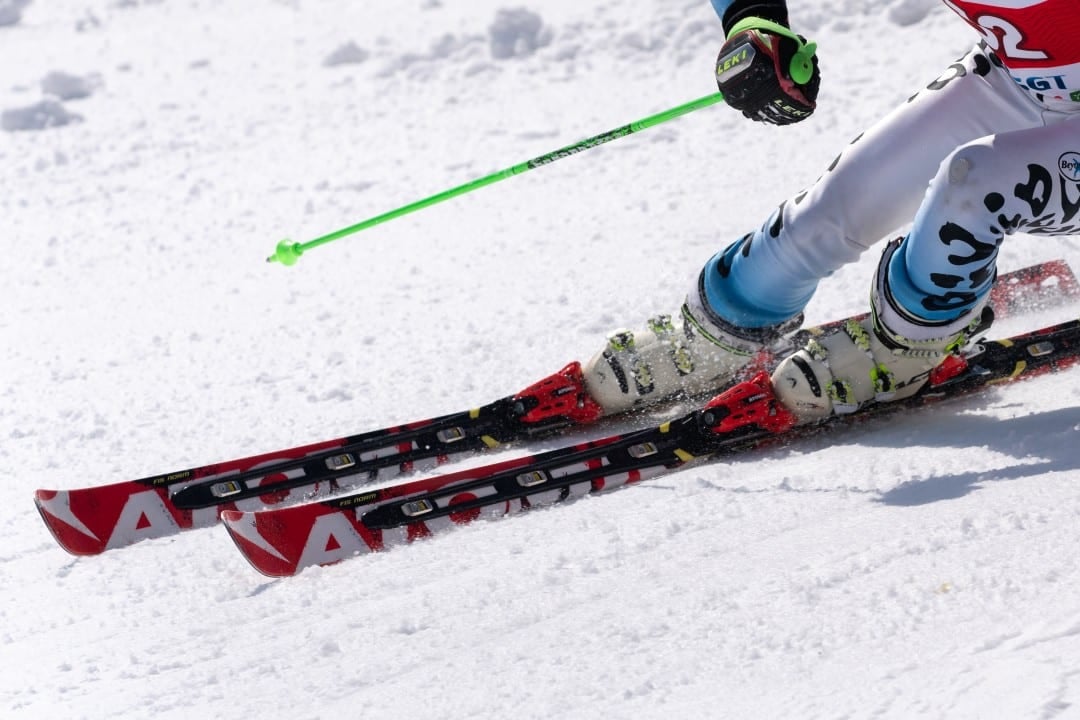
Ambientes Colds cause muscle stiffness that impairs explosiveness, mobility and reaction time in athletes. Blood circulation decreases in the extremities as a thermal preservation mechanism for the body. Quando the muscles receive less blood flow, it takes longer to reach the ideal level of activation necessary for performance. The risk of strains increases significantly if you do not warm up properly before practicing sports.
Equipes professionals need to adjust preparation protocols depending on weather conditions. Physiological demands vary enormously between a match in freezing weather and one in intense heat. Isso requires constant monitoring of muscle function and personalized hydration strategies.
The impact of cold on muscle contraction
Vasoconstriction caused by cold reduces oxygen supply to muscles. Essa body response maintains heat in vital regions, but sacrifices performance in extremities. Atletas feel discomfort, lose range of motion and need more time to generate maximum force.
Dynamic heating becomes even more critical in these scenarios. Inadequate Protocolos leave the muscle in a suboptimal state during the initial moments of competition. Alguns athletes report up to a 15% loss in explosive strength during the first 10 minutes in extreme cold conditions.
Recovery after exertion is also prolonged at low temperatures. The body consumes more energy just to maintain thermal homeostasis, leaving fewer resources available for muscle repair. Pesquisadores in exercise physiology recommend passive heating to complement hot baths, isothermal clothing to accelerate readaptation.
Desidratação and cramps in hot weather
Calor extreme activates intensified sweating mechanisms. The body loses large volumes of fluids and electrolytes to try to control its internal temperature. Quando water intake does not keep up with this demand, consequences appear quickly.
Early Fadiga, muscle cramps, drop in intensity and reduction in movement precision appear as signs of functional impairment. Atletas under thermal stress suffer fluctuations in contraction capacity and even changes in motor pattern. A football match under 35°C requires replacing 1 to 1.5 liters of water per hour, depending on the intensity of the exercise.
Eletrólitos mainly sodium and potassium also need to be replaced. Bebidas with water alone can cause hyponatremia, a dangerous condition characterized by the dilution of salts in the blood. Isso compromises the transmission of nerve impulses to muscles and further affects performance.
Ajustes training and climate monitoring
Clubes football, athletics teams and basketball franchises implement specific protocols for each temperature range. Esses include:
- Extended progressive Aquecimento on cold days, with sessions lasting 25 to 30 minutes
- Intervalos hydration every 10-15 minutes in hot environments
- Redução Training Load During Extreme Heat Waves
- Core Body Temperature Monitoramento in Critical Sessions
- Ajuste of training schedules to avoid hot or cold spikes
Profissionais of sports medicine advises different periodization depending on the time of year and location of the competitions. An athlete prepared to play in a temperate climate may suffer a significant drop in performance if relocated to a tropical region without prior physiological adaptation.
Recuperação post-stress in extreme thermal conditions
Tanto cold and hot require different strategies for recovery. In cold environments, immersion in warm water accelerates the restoration of peripheral blood flow. Já in hot climates, prolonged rest in an air-conditioned environment and continuous hydration are priorities.
Energy metabolism changes significantly depending on environmental temperature. Esforço when cold consumes more calories because the body invests energy in thermoregulation. Isso affects the rate of protein synthesis and regeneration of muscle fibers damaged during activity.
Inadequate Recuperação in repetitive training cycles in unfavorable thermal conditions increases the risk of overtraining syndrome. Lesões due to overload appear more frequently because the muscle cannot completely regenerate between sessions. Elite Clubes track these variables through wearable sensors and monitoring apps.