US proposes new tariffs on 14 economies, including China and EU

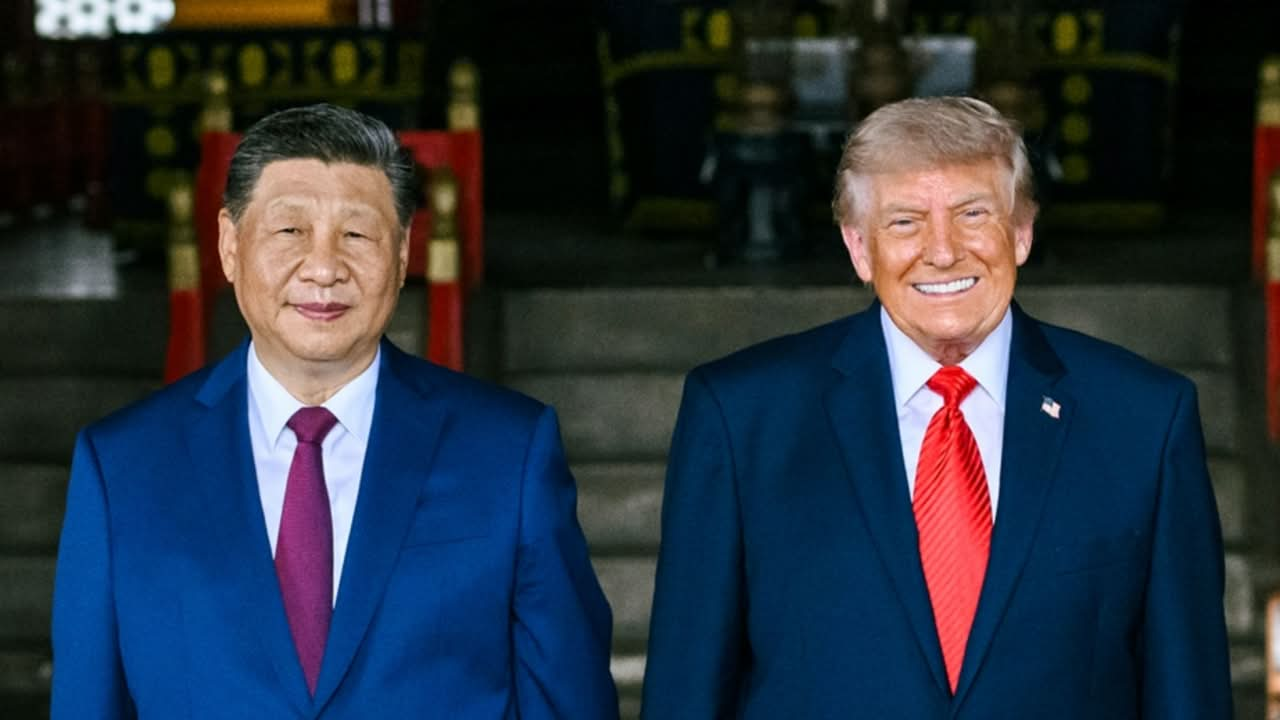
The United States proposed new tariffs on 14 trading partners on Wednesday, November 25, 2026, a list that includes China and the European Union. The Office of the United States Trade Representative (USTR) said the duties target what it calls structural excess capacity in manufacturing. The rates would stay within caps set by existing trade deals, and the measures could take effect from January 2027.
The proposals respond to investigations opened under Section 301 of the Trade Act of 1974, a law that lets Washington punish trade practices it considers unfair. According to the USTR, the measures aim to curb excess capacity in manufacturing sectors that receive subsidies, which could pressure American companies. The agency found the practices actionable in 14 economies, while Mexico and Norway, the other two economies in the 16-economy probe, received no determination.
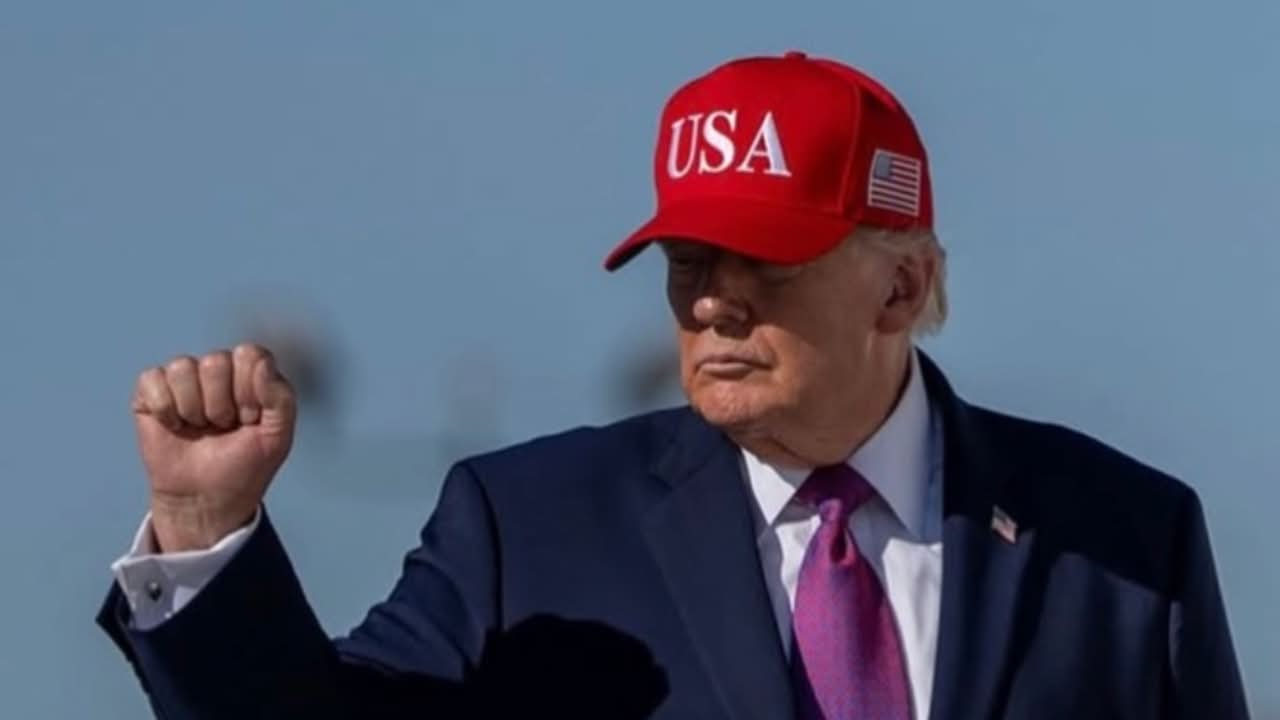
The announcement replaces a broad tariff package that President Donald Trump introduced in April 2025. The Supreme Court of the United States struck that package down in February 2026, ruling it was applied without an adequate legal basis. The United Kingdom was left off the list.
How high the proposed rates go for each economy
The percentages announced by the USTR are ceilings, and the amounts charged in practice tend to be lower because of trade agreements Trump’s government has already signed. Jamieson Greer, the U.S. Trade Representative, said the new tariffs should keep existing commitments, with adjustments of a few percentage points in some cases.
In practice, the duties are paid by American companies that import goods from the listed countries. Japan and South Korea face rates of up to 15%, net of most-favored-nation rates, according to the USTR notice. The rate for the European Union is 15%, while Vietnam faces up to 35%.
The table below summarizes the ceilings proposed by the USTR and the limits set in current trade agreements for each group of economies.
| Economia ou bloco | Teto proposto | Limite com acordo |
| China | Até 40% | Até 20% |
| Vietnã | Até 35% | Até 20% |
| Camboja, Indonésia, Malásia e Tailândia | Até 25% | Até 18% |
| Índia | Até 25% | Até 17% |
| Coreia do Sul e Taiwan | Até 25% | Até 15% |
| União Europeia, Japão e Suíça | Até 20% | Até 15% |
| Bangladesh | Até 20% | Até 18% |
| Singapura | Até 20% | Até 10% |
In China‘s case, the 20% ceiling set under the trade truce adds to the tariffs applied during Trump’s first term. If Beijing fails to comply with the truce agreed with Washington, the rate could rise to 40%. The truce expires on January 10, 2027, according to Reuters.
Beijing talks face pressure before the Miami meeting
The tariff proposal comes just before the trade truce between the United States and China expires in January 2027. Presidents Donald Trump and Xi Jinping agreed on the truce at a meeting in South Korea in October 2025. The two leaders are scheduled to meet again in Miami in December 2026.
US officials want China to give American companies greater access to rare earths, minerals essential to making technology components. Washington also wants China to buy more American farm products. Rare earths are used in many electronic parts, which makes access to them a central point of the talks.
Before the measures were released, Foreign Ministry spokesperson Guo Jiakun rejected the American justification. He said the so-called “overcapacity” is a false issue and that Beijing opposes using it as a pretext for political manipulation.
Brazil faces its own comment round on sugar and aircraft
On the same day, the USTR published a separate proposal to change its Section 301 action against Brazil. The agency is considering ending the current exemption for finished aircraft and applying a 10% ad valorem duty on them. Finished aircraft are Brazil’s fourth-largest export item to the United States, and the proposal also targets sugar shipments.
Embraer, Brazil’s largest aircraft maker, could be hit especially hard, according to a senior US official cited by Reuters. The government of the United States set December 30, 2026 as the deadline for written public comments on the measures aimed at Brazil. Requests to testify are due by December 7, 2026.
The USTR will hold a public hearing on the Brazil proposal on January 14, 2027. In the United States, the push for tariffs follows the defeat of the Republican Party in the midterm congressional elections held in November 2026. Polls showed voters disapproving of higher costs caused by import taxes, and the new Congress returns to work in January 2027, which could create friction with the White House over tariff policy.