Girl bitten by a coral snake in Santa Catarina suffers three allergic reactions By Janderson Luiz
3 min read
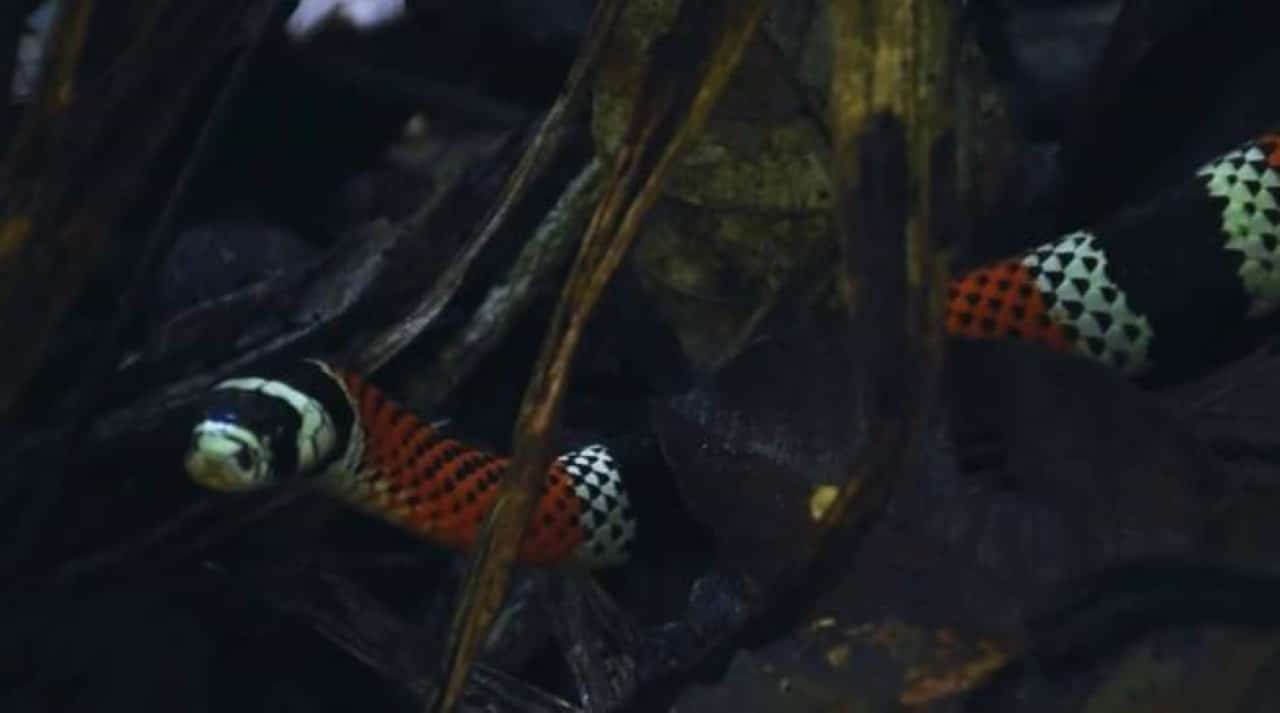 |
Olivia Vitória of Souza Schutell, aged 4, was bitten by a coral snake in Itajaí, on the coast of Santa Catarina, after mistaking the snake for an earthworm. The child suffered three allergic reactions during hospitalization shortly after the accident. The coral snake is the most venomous species in Brasil, capable of causing death in humans.
The incident occurred when the girl was playing and saw the snake, not realizing the risk. The parents immediately sought medical attention after noticing the bite. Durante remained in the hospital, Olivia experienced complications that required rapid medical intervention.
Circunstâncias accident and first aid
The child was in a domestic environment when he came into contact with the snake. Segundo reports from the family, the moment was desperate. The father and mother quickly recognized the seriousness of the situation and sought professional help without delay.
Paramedics were called immediately. Transport to the hospital unit was carried out urgently. Protocolos services for snakebite poisoning were activated as soon as Olivia arrived at the emergency room.
Reações allergic during hospitalization
Após received antivenom specific for coral snakes, the girl presented three episodes of allergic reaction in the hospital environment. Reactions included symptoms that required constant monitoring and additional medication.
Doctors kept the child under intensive observation. Cada reaction was controlled with appropriate medications. The hospital staff was prepared for these potential complications.
Especialistas in toxicology followed the case personally. The desensitization protocol was considered given the allergic condition presented. Olivia responded well to subsequent treatments.
Coral snake Características in Brasil
The coral snake belongs to the genus Micrurus and is recognized as the most venomous snake found in Brazilian territory. Sua venom contains potent neurotoxins that affect the central and peripheral nervous system.
Visual identification is important for security:
- Padrão with red, yellow and black rings arranged around the body
- Tamanho reduced compared to other venomous snakes
- Comportamento defensive when threatened
- Hábitos nocturnal and preference for humid environments
Coral snake venom works quickly. Progressive paralysis can lead to respiratory failure in severe cases. The amount of venom injected per bite is small, but highly concentrated.
Protocolo poisoning assistance
Immediate treatment involved the administration of antivenom specific for Micrurus. Este serum is essential to neutralize the effects of the venom.
The service followed the following steps:
- Imobilização of affected member
- Remoção of objects that can compress the region
- Antivenom Serum Administração
- Monitoramento continuous vital signs
- Suporte breathing if necessary
- Manejo of allergic reactions to serum
Hospitais in regions where coral snakes occur maintain a stock of antivenom. Rapid availability of the medication is essential for the patient’s prognosis. Em Itajaí, the hospital structure allowed immediate access to the necessary serum.
Prevenção and guidelines for families
Especialistas recommend that young children be instructed not to touch unfamiliar animals. Mesmo small snakes can be venomous. Education about local wildlife is essential in areas where snakes occur.
Medidas Preventive measures include maintaining clean environments without shelters for animals. Folhagens near houses should be trimmed regularly. External Iluminação reduces the likelihood of nocturnal encounters with snakes.
Pais must teach children to recognize risk patterns. Unattended play in areas where snakes may be present should be avoided. Suitable Calçados offer additional protection during outdoor activities.
Evolução clinic and recovery
Após control of allergic reactions, Olivia remained hospitalized under observation. Neurological reassessment was carried out periodically to check for possible sequelae of the venom.
The first few days after snake poisoning are critical. Monitoring of breathing pattern, reflexes and muscle strength is continuous. Pediatras and toxicologists work together to ensure complete recovery.
The response to treatment was positive in the following days. Medication support was adjusted according to clinical evolution. The family maintained strict monitoring and followed all medical recommendations during hospitalization.