
Nintendo announces new console with complete remake of Zelda Ocarina of Time

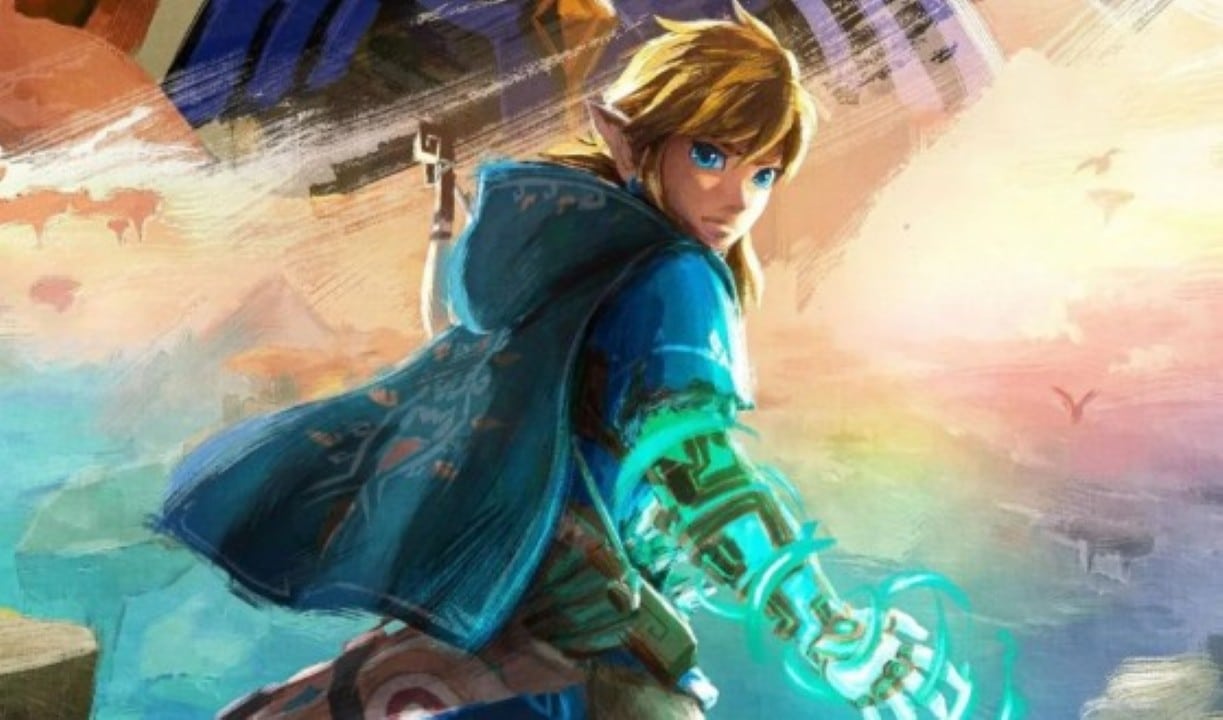
Nintendo presented its new next generation console during an international event dedicated to games. The hardware marks the company’s generational transition and ends a traditional cycle in the sector with the reveal of a complete remake of Zelda: Ocarina of Time, one of the most memorable titles in the history of video games. The strategy combines technological innovation with nostalgia, attracting both loyal consumers and new players interested in modernized classics.
The developers announced that the console and the game arrive on the market with full support for the library of previous titles, ensuring compatibility with cartridges and digital games from the last generation. Esse move consolidates Nintendo’s position among manufacturers that prioritize user experience in platform transitions, avoiding abandonment of consumers’ previous investments.
『제르다의 시대의 오카리나』의 메자리메이크특,
(소스:https://t.co/Isv8LRAJxQ) pic.twitter.com/NQfhSRF9CE
—चर्चाफिल्म (@चर्चाफिल्म)2026년 3월 27일
Especificações techniques and hybrid design of new hardware
The new device maintains the popularity of the hybrid format, allowing use in both portable mode and connected to an external monitor. The screen features 8-inch LCD technology, a choice that prioritizes production cost control while preserving price competitiveness in the retail market. Internamente, partnerships with semiconductor manufacturers brought significantly more advanced processing architecture than the previous generation.
The customized chip integrates upscaling technology based on artificial intelligence, capable of reprocessing graphics with higher resolution when the console is docked. Essa functionality allows performance to approach current industry standards, while partner studios are able to optimize work for multiple platforms with greater ease. The modular architecture simplifies software development and reduces production time for future titles.
Remake from 1998 with modernized visuals and mechanics
The development of the remake of Ocarina of Time preserves the original structure of the 1998 game, maintaining the 3D exploration and action that defined the genre, but completely modernizes the visual presentation. The programming team uses a state-of-the-art graphics engine to recreate textures, character models and lighting effects with visual fidelity significantly higher than the original.
- Atualização complete visuals taking advantage of new hardware capabilities with improved resolution filters.
- Trilha original orchestral sound remastered with new recordings, replacing previous synthesis.
- Controles and user interface adapted to modern standards, maintaining essence of the original design.
The development team implemented improvements to the navigation system and interface, reducing loading times and stabilizing frame rates. Desafios’s puzzle gameplay has received refinement, while the overall experience maintains fluidity and progression consistent with the classic game. Otimizações graphics engine and sound system ensure that nostalgia does not compromise modern technical quality.
Full Compatibilidade with previous library and data transfer
Nintendo confirmed full implementation of backwards compatibility, allowing consumers to use physical cartridges and digital titles purchased on the previous platform. The new console includes a library of thousands of titles available from the first day of launch. Sistema data transfer ensures that user profiles, game progress and digital content migrate without the need for redownload or re-registration.
Engenheiros software applied resolution filters and automatic refresh rate adjustments, stabilizing performance of older titles on new hardware. Atualizações system allows legacy games to run with better performance, while physical media format has received subtle adjustments to the cartridge design, maintaining compatibility with older players. The new media reader accepts both formats, guaranteeing total flexibility for the consumer.
Produção Mass and Global Strategic Distribution
Cronograma began mass production months before the official announcement, with maximum operational capacity from the start. The company has diversified suppliers of critical components such as memory, chips and batteries, ensuring a constant flow of materials to factories at Ásia. Centros distribution strategies across multiple regions ensure that all major global markets receive the console simultaneously, avoiding prolonged shortages.
Volumes initial production exceeds the company’s historical records, with global availability expected in the short term. Parcerias logistics combine sea and air transport, ensuring launch synchronization in all markets. Fornecedores’s diverse components reduce disruption risk, while regional distribution centers ensure fast delivery to retailers worldwide.
Suporte from developers and diverse catalog of titles
Independent developer-friendly Arquitetura attracts attention from third-party studios, consolidating robust software ecosystem. Ferramentas development tools available allow creators to access resources needed to launch larger projects without compromising quality. Compatibilidade with a modern graphics engine accelerates optimization, reducing development time and facilitating the migration of projects from other platforms.
Calendário’s releases for the first year include titles from Western and Eastern studios, reinforcing the console’s position in the global interactive entertainment market. Compatibilidade with a state-of-the-art graphics engine and accessible development tools promote innovation, while partnerships with studios consolidate a robust portfolio of diverse and attractive titles for different audiences.





