PlayStation may stop producing consoles and migrate to digital services
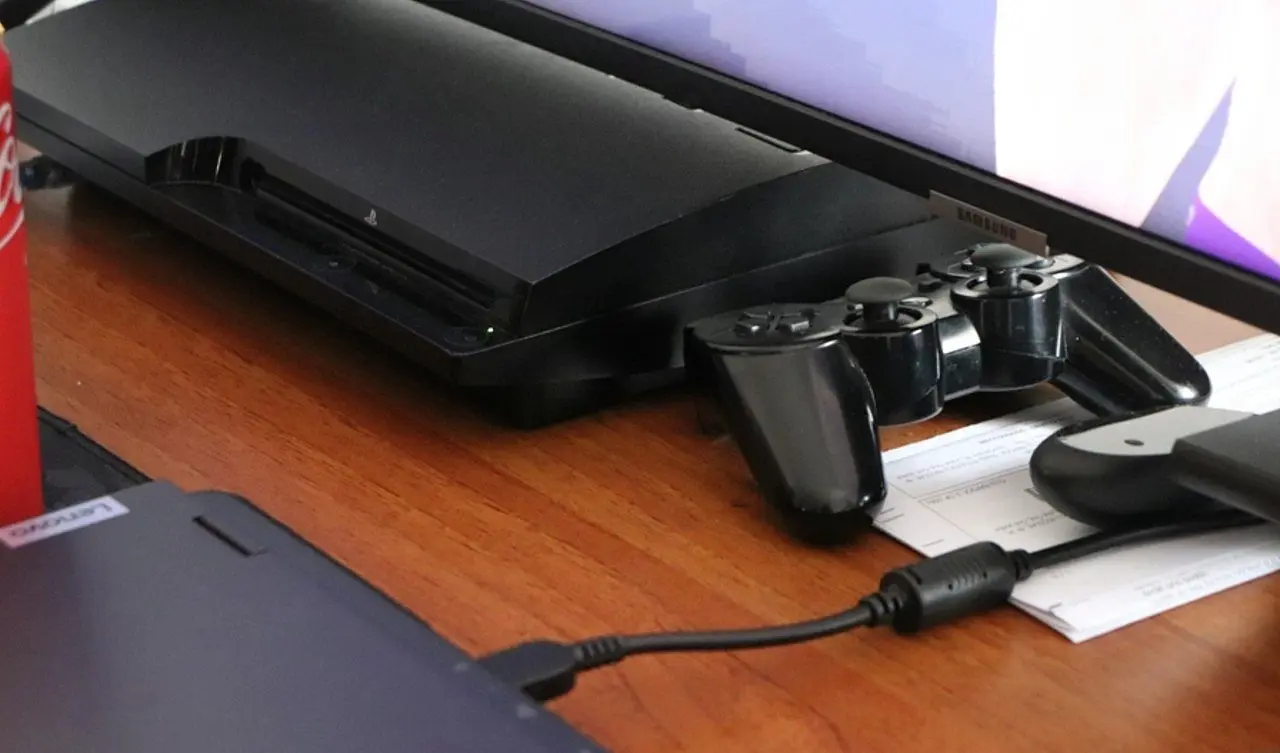
Sony is considering a radical strategic change in its interactive entertainment division. The company is analyzing the possibility of ceasing production of PlayStation consoles and focusing exclusively on digital services. The decision is still in the internal evaluation phase, but reflects the growing market pressure for subscription-based business models. Executivos debate the costs of maintaining factories against the profit margins offered by streaming platforms. Essa transition would represent the company’s biggest commercial turnaround since its founding, almost three decades ago.
Contexto from the video game industry
The global gaming market moves hundreds of billions of dollars annually and depends heavily on the infrastructure created by hardware manufacturers. The abandonment of this sector by one of its leaders would force independent studios and large producers to readjust their graphics engines and release schedules. Consumers would also face uncertainty regarding virtual libraries acquired over the years. Migrating accounts and usage licenses to independent servers would require a robust network architecture and legal guarantees of continuous access.
On the same topic: Sony offers free game for PlayStation 5 and 4 during restricted 24-hour window
PlayStation Trajetória on the market
The launch of the first PlayStation console, in the mid-1990s, reconfigured the quality standards demanded by electronic game consumers. The adoption of the optical disc player allowed the creation of complex narratives, orchestrated soundtracks and three-dimensional worlds that the cartridges of the time could not support. The popularization of this technology established the Sony as the main trendsetter in the sector, a position consolidated with subsequent generations of devices.
The installed base of users grew exponentially, transforming the PlayStation into an essential item of contemporary pop culture. Além’s innovation in physical components, creative studio acquisition and financing strategy has formed a highly profitable intellectual property catalog. Exclusive Personagens and action and adventure franchises became the main attraction for purchasing equipment. Essa library of original titles is currently the division’s most valuable asset, surpassing the importance of the machines that run them themselves.
Mudanças in consumer behavior
The advancement of broadband internet connections and high-speed mobile networks has fundamentally altered the way the public accesses interactive media. The need for local processing equipment diminishes as remote servers take over the graphics rendering load. Monthly subscription Serviços gained traction by offering rotating catalogs with hundreds of options at a fraction of the price of an individual release.
The presence of information technology corporations has intensified the competition for user attention. Empresas with global server infrastructure has a competitive advantage in offering cloud processing, eliminating financial entry barriers for new consumers. The mobile device market also absorbed a significant portion of the time and money spent on digital entertainment. The ease of access to free games with microtransactions on smartphones has reduced the base of potential buyers of systems dedicated exclusively to video games.
More on this story: Capcom plans Resident Evil 10 and horror remakes with new strategy
See Also

David Jolly secures Democratic seat to run for governor of Florida in 2026
Jolly wins Democratic nomination for governor of Florida in the USA

Meta (WhatsApp, Instagram and Facebook) is subject to trial in the USA for damaging the mental health of young people with fines of US$ 1.4 trillion
Custos Production Versus Profit Margins
The engineering required to develop next-generation processors requires complex partnerships with semiconductor manufacturers and years of prior research. Manufacturing costs often exceed the device’s selling price in the first few years on the market, forcing Sony to subsidize hardware to profit from the sale of software licenses. Instability in global supply chains and periodic shortages of electronic components directly affect the ability to meet retail demand.
- Custos of semiconductor research and development reaches billions of dollars per seven-year cycle.
- Dependência of rare minerals and outsourced factories in Ásia creates logistical vulnerabilities.
- Transição for digital services would eliminate bottlenecks of physical production and distribution costs.
- Margens profit on subscriptions and digital sales are considerably higher than on hardware.
Integração with other Sony businesses
The parent corporation operates in multiple sectors, including film production, music record labels and image sensor manufacturing. The discontinuation of dedicated hardware would allow the creation of a unified ecosystem where interactive content would be accessed directly through smart televisions, computers and mobile devices. Essa unification would transform the gaming division into a multiplatform content provider, expanding the reach of intellectual properties to billions of screens around the world.
Impacto in the development studios
Software producers that base their projects on the technical specifications of PlayStation consoles face the prospect of a complete overhaul of their working methods. Optimizing code for closed, standardized hardware allows you to extract maximum visual performance, an advantage that disappears in the fragmented environment of personal computers and cloud servers. Software engineers would need to adapt their authoring tools to ensure compatibility with a diverse range of devices. Essa transition requires investments in staff training and licensing of new graphics engines, in addition to increasing the time required for quality control testing.
Learn more: Sony offers three free AAA games to all PlayStation 5 owners
Sinais transition already underway
The recent strategy of launching exclusive titles for personal computers serves as an indication of the relaxation of Sony’s internal policies. Adapting blockbusters to open platforms generated significant additional revenue and tested audience reception outside the closed console ecosystem. The commercial success of these conversions validates the theory that a brand’s strength lies in the quality of its intellectual properties, not the physical device needed to execute them. The continued expansion of this policy sets the stage for a gradual transition, getting consumers used to accessing the company’s products on different devices.