
Shoyu contains too much sodium and exceeds the daily limit recommended by the WHO

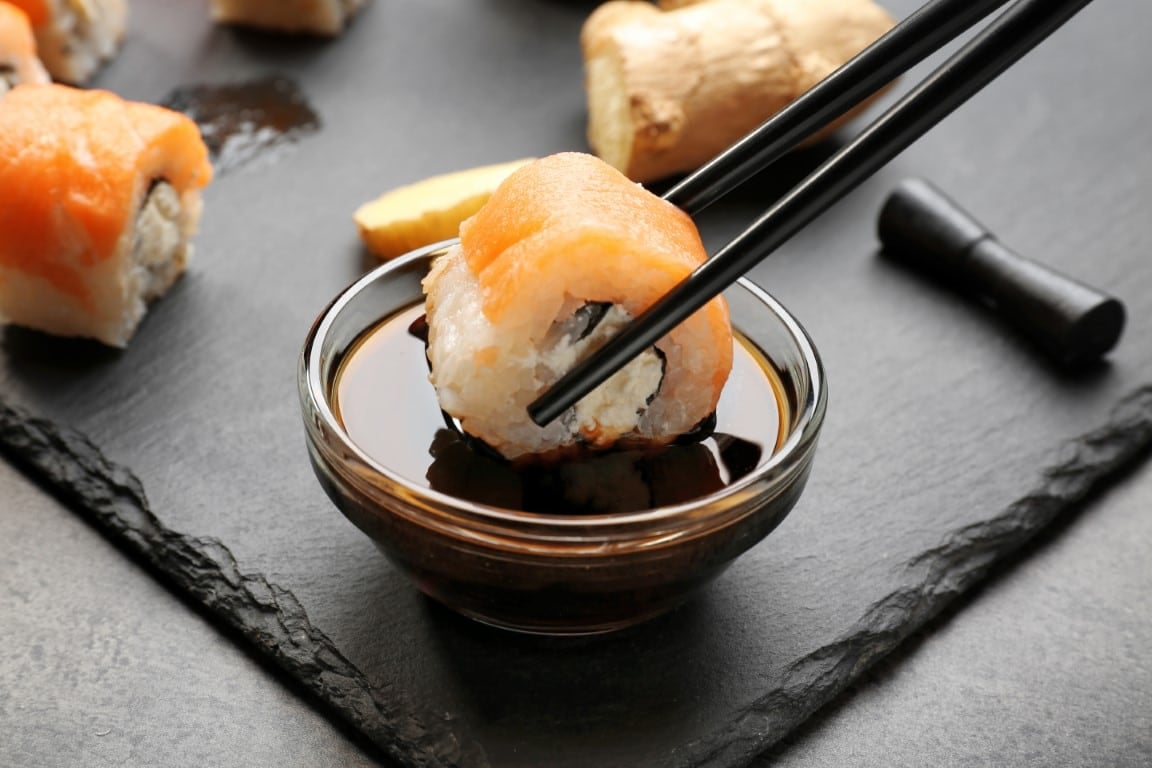
Shoyu sauce, a traditional oriental cuisine seasoning widely adopted on Brazilian tables, has alarming concentrations of sodium that can compromise cardiovascular health. One tablespoon of the product contains more than 900 milligrams of sodium, an amount that already represents almost half of the maximum daily limit recommended by Organização Mundial of Saúde (WHO). Especialistas warn that frequent consumption of this condiment can significantly raise blood pressure and increase the risk of heart disease.
Quantidade sodium in soy sauce exceeds international recommendations
Daniel Magnoni, cardiologist and nutritionist at Hospital of Coração (HCor) at São Paulo, highlights that a tablespoon of soy sauce (15 milliliters) contains more than 900 milligrams of sodium. In the light version, this value drops to 700 milligrams, which is still considered high. In 100 milliliters of the product, the sodium content can exceed 5 grams, while the WHO recommends only 2 grams of sodium per day, or 2 thousand milligrams.
Isso means that just three tablespoons of soy sauce (45 milliliters) already exceed the maximum daily amount of sodium recommended by the international organization. The expert emphasizes that people who regularly consume this condiment are at increased risk of high blood pressure and associated cardiovascular complications.
Origem and sauce manufacturing process
Shoyu sauce was originally created by the Chinese as a method of preserving food. Sua production involves the fermentation of soybeans that are salted by brine, a process that results in the high sodium content present in the final product. Prolonged fermentation intensifies the salt concentration, making the sauce one of the most sodium condiments available on the market.
Recomendações for safe condiment consumption
Para avoid exceeding the daily sodium recommendation, Magnoni suggests not using soy sauce to season food and salads at home. In restaurants that serve Japanese cuisine, the guideline is to dilute a few drops of soy sauce in a squeezed lemon, applying the mixture to the food with a brush instead of dipping the pieces directly into the sauce.
- Misturar soy sauce drops with squeezed lemon reduces the sodium concentration consumed
- Pincelar mixing in food is safer than completely submerging
- Evitar frequent use at home reduces daily sodium intake
- Verificar product labels and add up the total sodium consumed throughout the day
The cardiologist observes that Japanese restaurant goers often leave the establishment thirsty and bloated, direct symptoms of excessive consumption of soy sauce. Essa body reaction indicates fluid retention caused by excess sodium.
Outros foods with dangerous sodium content
Além of shoyu, several common consumer products have alarming concentrations of sodium. Tabletes or sachets of beef broth, chicken and other flavors contain an average of 1,000 milligrams of sodium each, meaning that just two tablets already reach the maximum daily limit. The instant noodle seasoning contains approximately 1,400 milligrams of sodium per serving, making two meals of this type exceed the amount recommended by the WHO by 50 percent.
Molhos such as ketchup and mustard also contribute significantly to daily sodium consumption, providing between 120 and 170 milligrams in each tablespoon used. Magnoni recommends that people carefully read the packaging of the products they consume and calculate the total amount of sodium ingested throughout the day. Para table salt, the WHO establishes a maximum limit of 5 grams of sodium chloride per day.
Sodium Intake Monitoring Importância
Monitoring sodium intake is essential for maintaining cardiovascular health, especially for individuals with a history of hypertension or heart disease. Excess sodium forces the circulatory system to work under increased pressure, accelerating the aging of arteries and increasing the risk of heart attack and stroke. Adotar practices of reading labels and gradually replacing high-sodium condiments with healthier alternatives represents a fundamental strategy to reduce long-term cardiovascular complications.





