
Stellantis presents Leapmotor C10 to compete in the electric SUV market in Brazil

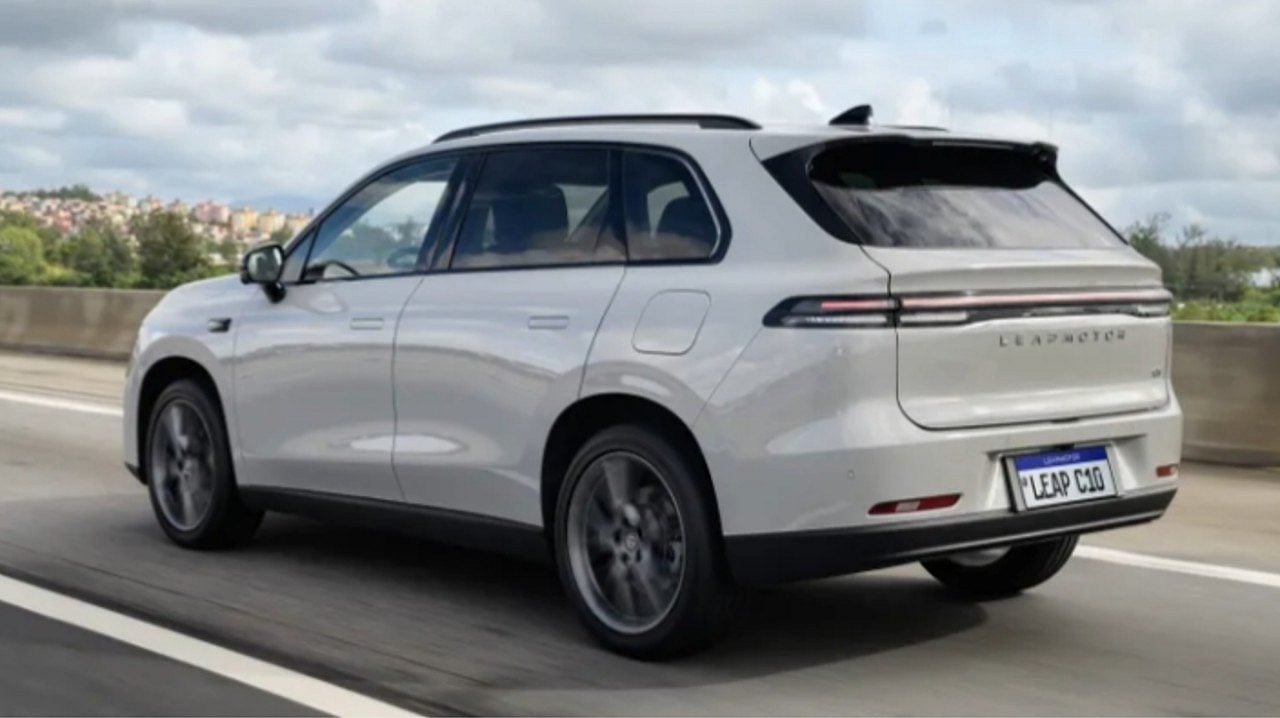
Stellantis brings to Brasil the Leapmotor C10, an electrified Chinese SUV that marks the automotive group’s strategic counterattack to the invasion of Ásia manufacturers into national territory. The model initially arrives by import from China, but the company already promises to nationalize production in Polo Automotivo from Goiana, in Pernambuco, where vehicles such as Fiat Toro and Jeep utility vehicles are also assembled. The decision reflects a direct effort to retain customers who have migrated to competitors such as BYD and GWM.
The group that controls brands such as Fiat and Jeep faces increasing erosion of its consumer base in the electric and hybrid segment. By bringing its own “electrified Chinese” model to the national market, Stellantis attempts to break the logic that gave Oriente’s rivals a competitive advantage. The strategy goes beyond a specific launch: it includes a domestic production plan that can change the dynamics of prices and availability in the country.
Especificações and value proposition
The C10 is a compact SUV with 100% electric powertrain, aimed at the expanding medium segment in the Brasil. The model offers a range of up to 420 kilometers on a full charge, according to data provided by the manufacturer. Power reaches 218 horsepower, sufficient for competitive acceleration in the segment. Fast-charging Sistema allows you to reach 80% battery in 30 minutes on high-power chargers.
The interior accommodates five passengers with a technological panel that includes a 14.6-inch touch screen. Sistema infotainment offers smartphone connectivity, GPS navigation and assisted driving features. 360-degree Câmeras and automatic parking sensors complete the safety package.
Nacionalização on Goiana
The Goiana factory, which currently produces Fiat models on a significant scale, will receive new assembly lines dedicated to the C10. Stellantis estimates an investment of an undisclosed value to adapt the plant to Chinese vehicle production standards. Especialistas point out that nationalization can reduce the final cost by between 15% and 25% compared to the imported model.
- Estimated Produção: up to 50 thousand units per year (initial phase)
- Início from domestic assembly: second half of 2025
- Público target: middle to upper-middle income families
- Garantia extended: 8 years or 160 thousand kilometers on battery

Contexto market and positioning
No Brasil, the electric SUV segment grew 89% in 2024 compared to the previous year, according to data from Associação Brasileira and Indústria Automóvel. Chinese Modelos concentrate more than 40% of sales in this category, leaving Western manufacturers at a disadvantage. Leapmotor’s entry represents Stellantis’s late but expected response to this dynamic.
BYD leads the Chinese market in Brasil with models such as Yuan Plus and Song Pro. GWM appears in second place with Haval H6. Volkswagen and Jeep have lost share in the electric segment since 2023. The C10 reaches a price that has not yet been officially announced, but internal estimates point to a floor between R$180,000 and R$220,000, a competitive price compared to rivals of the same size.
Stellantis’s bet is not restricted to C10. The group plans to expand the Leapmotor line into the Brasil with new models over the next two years, consolidating the Chinese brand as a strategic vertical within the European automotive conglomerate’s global portfolio.





