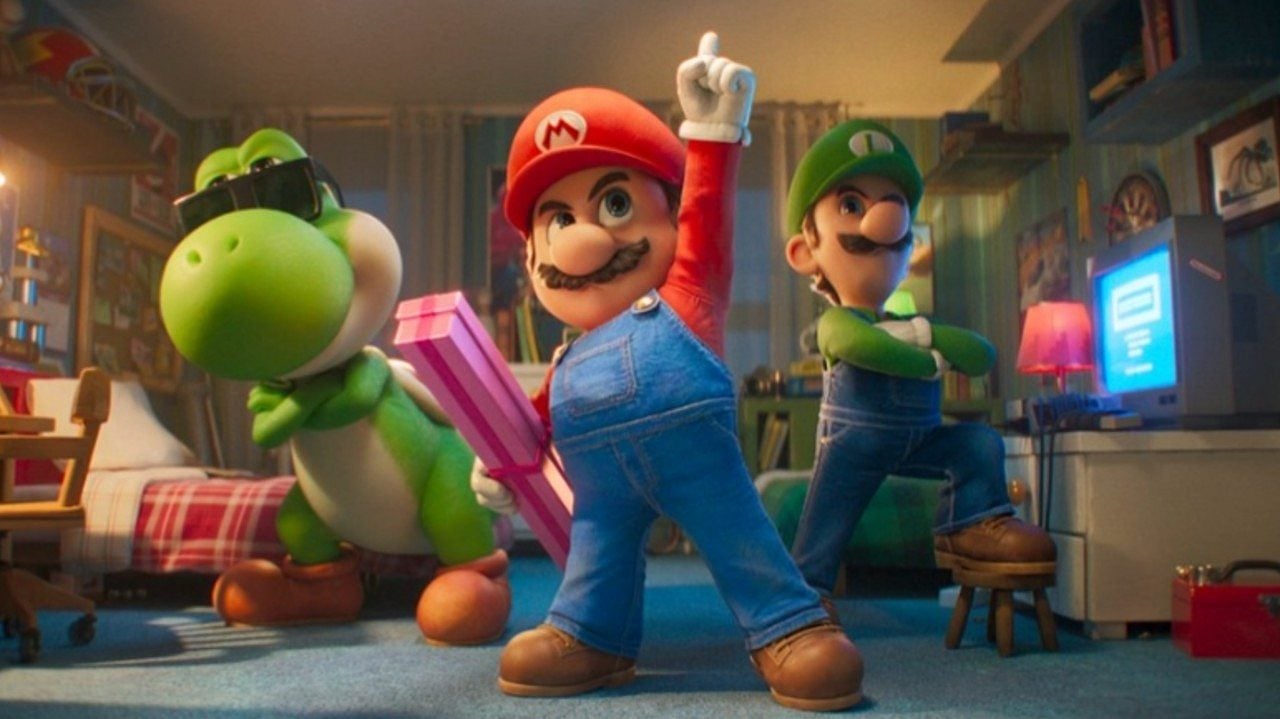
The second film in the Super Mario Galaxy franchise hits theaters with reviews that highlight its technical quality, but point out narrative weaknesses. A specialized critic gave the production a four out of five star rating, representing a slight reduction in relation to the first feature film. The score reflects not a decrease in visual entertainment, but rather questions about the depth of the plot and the development of the characters throughout the story.
The adaptation of classic video game franchises to film has established new quality standards in recent years. Nintendo, responsible for the creation of Super Mario Galaxy, provided abundant visual material for the transition from consoles to theaters. The central challenge remains the same: balancing aesthetic fidelity to the original game with an immersive narrative that functions as a complete cinematic experience. The public seeks to recognize the familiar elements of the controls translated into passive sequences of high visual quality.
Action Sequências dominate the script to the detriment of the plot
The structure of the second film’s script reveals a clear choice of prioritization. The creators chose to maintain uninterrupted action sequences, sacrificing the dramaturgical arc that could offer greater emotional depth. Essa narrative fragmentation does not harm the immediate enjoyment of the viewer, who remains engaged by the dynamic scenes and impressive visuals. Contudo, the lack of moments of breathing space and development of the characters’ internal conflicts leaves the plot superficial.
Qualidade graphics maintains the standard of visual excellence
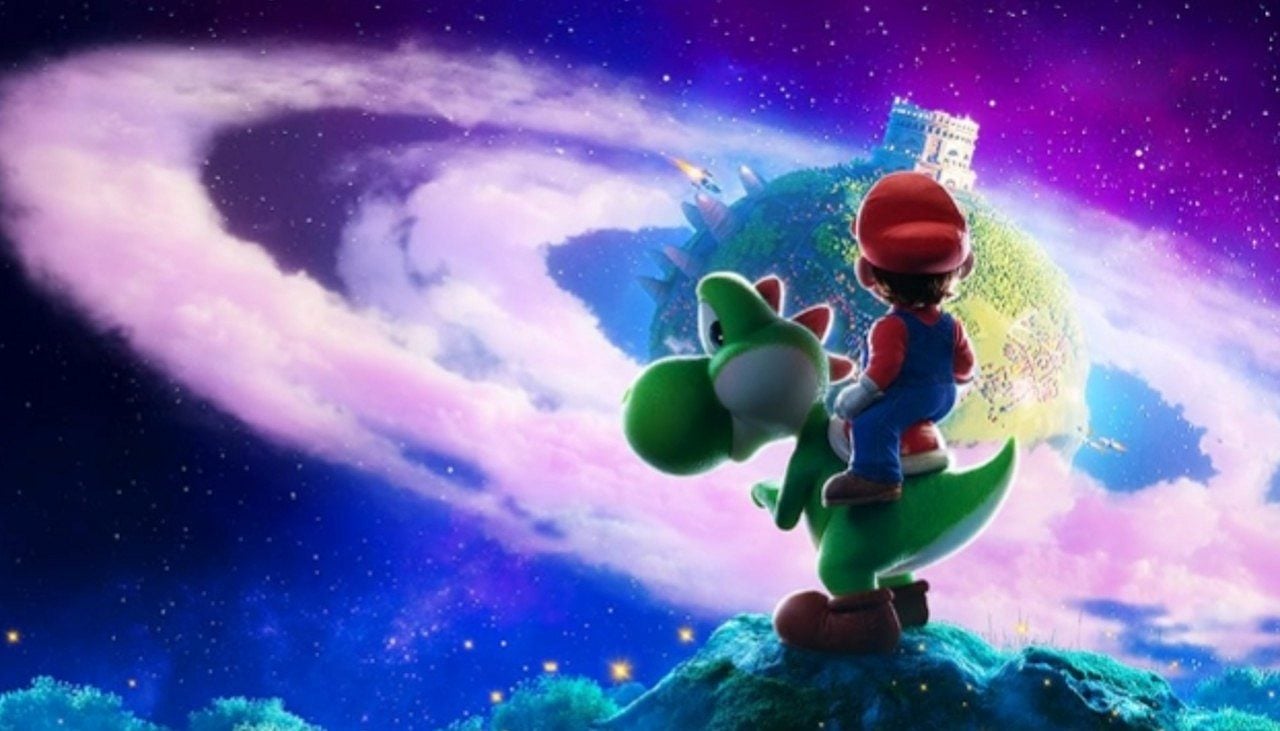
The technical aspect of the film remains its main strength. The stunning scenery and movement sequences faithfully recall the experience of playing Super Mario Galaxy on Nintendo consoles. The production delivers what it promises in visual terms, with sophisticated special effects and character designs that respect the aesthetic identity of the original franchise. Cada’s action scene is constructed with remarkable technical care, maintaining the visual coherence of the universe created by Nintendo.
Iconic Personagens gets surface treatment
The franchise’s classic characters appear on screen with designs faithful to the originals, but their narrative arcs remain poorly developed. The prioritization of action sequences leaves little room to explore motivations, relationships and conflicts that could add emotional layers to the story. Essa’s approach works for children who are just looking for visual fun, but leaves something to be desired for viewers who expected greater narrative complexity.
Comparação with the first film reveals a change in creative direction
Super Mario Galaxy’s first feature film received top reviews from critics, indicating that the sequel represents a shift in creative approach. The reduction in rating is not drastic, but it signals that the filmmakers prioritized quantity of action over narrative quality. Essa’s decision may reflect commercial pressures to maintain the fast pace that attracts younger audiences, even as it alienates critics who seek greater dramaturgical substance in film adaptations.
- Qualidade visual maintains technical excellence recognized by critics
- Estrutura fragmented narrative harms the dramaturgical arc of the plot
- Iconic Personagens Receives Limited Development in Sequel
- Sequências of non-stop action dominates the film’s script
The overall assessment indicates that Super Mario Galaxy 2 remains competent visual entertainment for audiences looking for action and familiarity with the franchise. Critics do not disapprove of the film, but point to creative choices that privilege spectacle over narrative. Essa approach represents a viable path for video game adaptations aimed at children, although it leaves room for improvements in dramaturgical depth in future productions of the franchise.