


The Redmi Note 15 Pro and the Moto G86 compete for preference among consumers looking for mid-range smartphones with good value for money. Ambos offer balanced specifications, but the Xiaomi model, available from R$1,950, presents significant advantages in durability, camera quality, battery life and update support when compared to the Motorola rival, which costs from R$1,647. The price difference reflects more advanced technological equipment present in the Chinese device, consolidating its position as a superior option for users who prioritize longevity and performance.
Resistência exceptional against drops and immersion
The Redmi Note 15 Pro offers more robust protection for users who frequently drop their cell phone. Ambos devices have IP68 and IP69 certifications, guaranteeing resistance against dust and water, but the Xiaomi model goes further with TÜV SÜD certification that validates the ability to immerse in up to 2 meters of fresh water for 24 consecutive hours. The Moto G86 only resists 1.5 meters for approximately 30 minutes, making clear the rival’s superiority in extreme conditions.
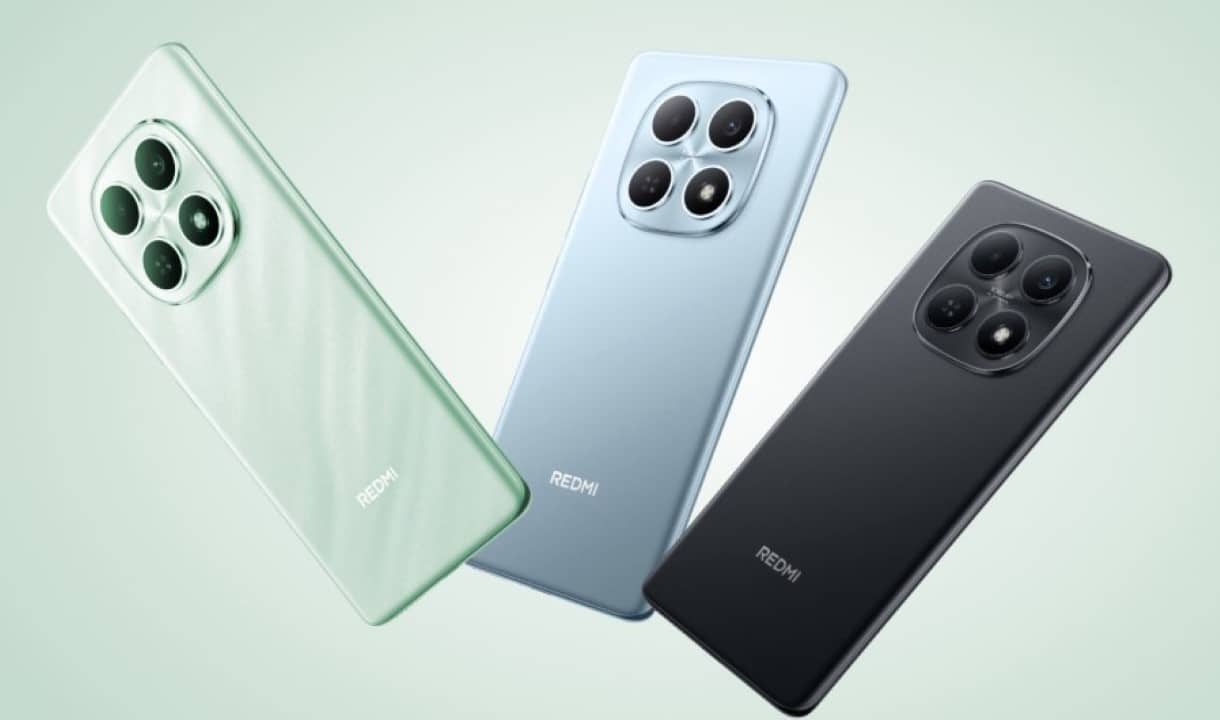
In terms of falls, the Redmi Note 15 Pro promises resistance to drops of up to 2.5 meters, while the Moto G86 can only withstand 1.2 meters. Essa difference of 1.3 meters represents substantially greater protection for more demanding use situations. Testes practical tests carried out by experts confirmed that the Xiaomi device withstood prolonged immersion in rain, waterfalls and periods of more than an hour submerged without compromising functionality, reinforcing its extended durability proposal.
Larger Tela with Dolby Vision and 120 Hz rate
The Redmi Note 15 Pro’s panel measures 6.83 inches, surpassing the competitor’s 6.7 inches by approximately 2.4% diagonally. Essa difference results in broader and more immersive visual experience, especially when consuming videos, playing games or browsing the internet. The body of the Redmi is 2.4 millimeters higher than its rival, a discreet adjustment that is justified by the extra display space.
Ambos share 120 refresh rate Hz, but Redmi Note 15 Pro supports Dolby Vision, feature missing in Moto G86. Esse codec offers superior color gradations and contrast, significantly improving the visual quality of compatible content. Para users who prioritize high quality media consumption, the advantage becomes notable and justifies the additional investment.
Latest Processador with superior performance
Ambos adopt mid-range MediaTek chipsets, but the Redmi Note 15 Pro uses the Dimensity 7400-Ultra, launched in February 2025 and direct successor to what is in the Moto G86. Both work with 4 nanometer lithography, but speeds differ. The Xiaomi’s processor reaches up to 2.6 GHz, while the rival’s Dimensity 7300 reaches 2.5 GHz.
Benchmarks reveal greater disparity than the technical specification suggests. The Antutu scored 851,542 points for the Redmi Note 15 Pro against 675,000 points for the Moto G86. Avaliações experts praised the Xiaomi model for maintaining fluidity in daily use, operation at low temperatures and sustained performance in heavy-duty applications. The Moto G86 chip received a more restrained analysis, with the observation that it meets expectations, but without offering additional performance margin.
200 MP Câmera with large sensor and generous aperture
The main camera of the Redmi Note 15 Pro has a resolution of 200 megapixels, but the difference goes beyond the numbers. The sensor is 1/1.4 inch in size, favoring the capture of a greater amount of light. The f/1.7 aperture further expands the light input, contributing to better results indoors or in low light.
The Moto G86 features more modest specifications. Seu main sensor measures 1/1.95 inch, considerably smaller, and f/1.9 aperture limits light entry. The Redmi’s sensor is approximately 5 millimeters larger diagonally, enhancing its ability to capture details and offering superior photographic performance in different lighting conditions. Ambos support 4K recording, but the still image quality clearly favors the Chinese model.
Silicon-carbon Bateria with extended autonomy
The Redmi Note 15 Pro features a 6,580 mAh battery using silicon-carbon technology, the debut of this composition in the Redmi Note line. The Moto G86 has 5,200 mAh in a traditional solution. The new technology allows you to store more energy in the same physical space, guaranteeing superior autonomy without compromising size or weight.
Testes practices prove clear advantage. The Redmi Note 15 Pro recorded 20 hours and 29 minutes of continuous video playback, while the Moto G86 achieved 19 hours and 45 minutes, a difference of 44 minutes. When charging, the Xiaomi supports 45 watts compared to the competitor’s 30 watts. Silicon technology contributes to more efficient energy absorption, significantly reducing recharge time.
Suporte extended with more system updates
Ambos arrives with Android 15, but Xiaomi offers broader support. The Redmi Note 15 Pro guarantees up to four major operating system upgrades, potentially reaching Android 19, plus six years of security updates until 2032. The Moto G86 offers updates up to Android 17 and security packages until 2029.
Essa difference directly impacts the device’s longevity and technological relevance over the years:
- Xiaomi offers four major updates plus six years of security
- Motorola Provides Two Major Updates Plus Five Years of Security
- Acesso Extended to New Features and Continuous Vulnerability Protection
- Relevância technology preserved for a longer period on the market
Para For those who intend to use the cell phone for several years, the Redmi Note 15 Pro appears to be a more advantageous choice. The larger initial investment is justified by the superior durability, high quality camera, battery with advanced technology and prolonged support that guarantee a consistent experience for longer.




