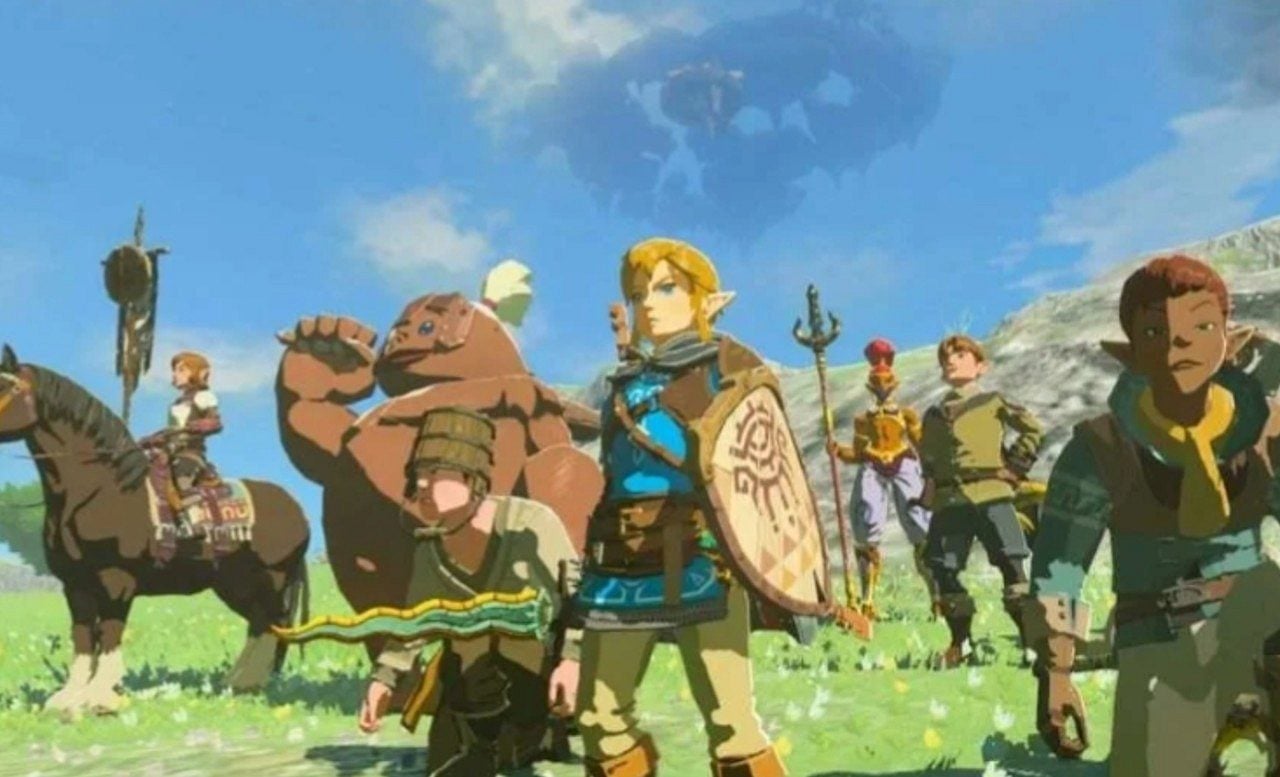
The writers of the film adaptation of The Legend of Zelda revealed that the Dungeons & Dragons sessions served as the project’s main creative engine. Instead of directly transposing video game mechanics, the team used tabletop RPG campaigns to explore collaborative storytelling, complex characters, and conflict structures that they then refined into the final script. The choice marks an innovative approach to adaptations of renowned intellectual properties, prioritizing an immersive experience over the replication of digital elements.
RPG Sessões as narrative laboratory
Dungeons & Dragons offered fertile space for creative experimentation. The writers used the matches as a testing environment where characters, conflicts and scenarios emerged organically from the players’ decisions. Esse’s iterative storytelling process was closer to the structure of heroes on a journey than to the linear narratives typical of digital games.
The influence transcended themes. The dynamics of improvisation and adaptation that define D&D shaped how writers approached dialogue, character relationships, and development arcs. Cada session functioned as prototyping concepts that were then refined on screenplay, testing which elements generated authentic dramatic tension.
Strategic Distanciamento from the original franchise
Optar by D&D as a creative basis allowed the writers to establish their own identity without just replicating game mechanics. The universe of Zelda, although rich in lore, was born from specific elements: puzzles, collectible items, dungeons with a modular design. Transpor this directly for cinema would generate problems with narrative rhythm and linearity.
The choice revealed confidence in building something new anchored in universal principles of adventure and fantasy. D&D functioned as a creative intermediary between the original source and a viable cinematic language, allowing writers to prioritize emotional depth over mechanical fidelity.
Personagens gains dimension through interaction
The Dungeons & Dragons campaigns allowed testing group dynamics and character evolution. Link, traditionally silent in games, gained different dimensions when played by a player in a collaborative context. Zelda went from being just the damsel in distress to emerging as a political and strategic figure. Ganondorf acquired complex motivations beyond one-dimensional villainy.
Esse characterization work based on human interaction created depth that scripts purely derived from games rarely achieved. Writers watched as characters evolved under pressure, as alliances formed naturally, as internal conflicts emerged from group dynamics:
- Busca for artifacts with transformative power and moral consequences
- Ciclos of reincarnation and destiny intertwined with personal choices
- Confrontação between order and chaos through ethical dilemmas
- Heróis ordinary circumstances elevated by extraordinary circumstances
- Sacrifício and moral responsibility as central themes
Worldbuilding through immersive experience
Construir a cinematic world is different from documenting game rules. Nas D&D sessions, worldbuilding emerged from interactions between players and GM, creating organic layers of detail. A tavern wasn’t just a setting: it was where alliances were born, where secrets were revealed, where characters faced consequences for previous actions. Essa’s ethnographic approach to the universe allowed us to identify which elements of Zelda’s DNA really mattered for a coherent human narrative.
The resulting script reflected the experience of the campaigns. Cenas’s diplomatic negotiations gained equal weight with action sequences. Humor emerged from absurd situations, as happens in D&D when careful plans crumble in the face of unfavorable data. Reviravoltas narratives maintained the tabletop’s characteristic unpredictability, creating act structure that followed less the standard Hollywood formula and more the natural rhythm of a complete campaign.
Precedente for future game adaptations
Essa methodology set an interesting precedent for future adaptations of digital properties. Usar Tabletop RPGs as a creative development tool recognized that games, like D&D, work through emergent narratives. The fundamental difference is that digital games automate these narratives, while tabletop games preserve the collaborative and improvisational character that generates emotional authenticity. The writers’ approach suggested deep understanding: that the essence of the source material often lies in shared experience, not superficial plot.