Administração Nacional of Aeronáutica and Espaço (NASA) has reached the $100 billion mark in total investments planned for the Artemis program, which aims to return humans to lunar soil after more than five decades. The rocket was launched on April 1, marking a decisive step in the resumption of manned exploration of the natural satellite. The expenses range from 2012 to projections for 2025, including the development of the Space Launch System rocket, the Orion capsule and all ground infrastructure necessary for operations on the Flórida.
Distribuição resource and investment schedule
The audits carried out by the agency’s supervisory body consolidate a financial strategy structured in phases. Development of the launch system consumed around 40 billion dollars until 2020, while the period between 2021 and 2025 adds another 53 billion dollars to the project. Para 2026, the budget reserves 8.3 billion dollars focused exclusively on lunar and Martian explorations.
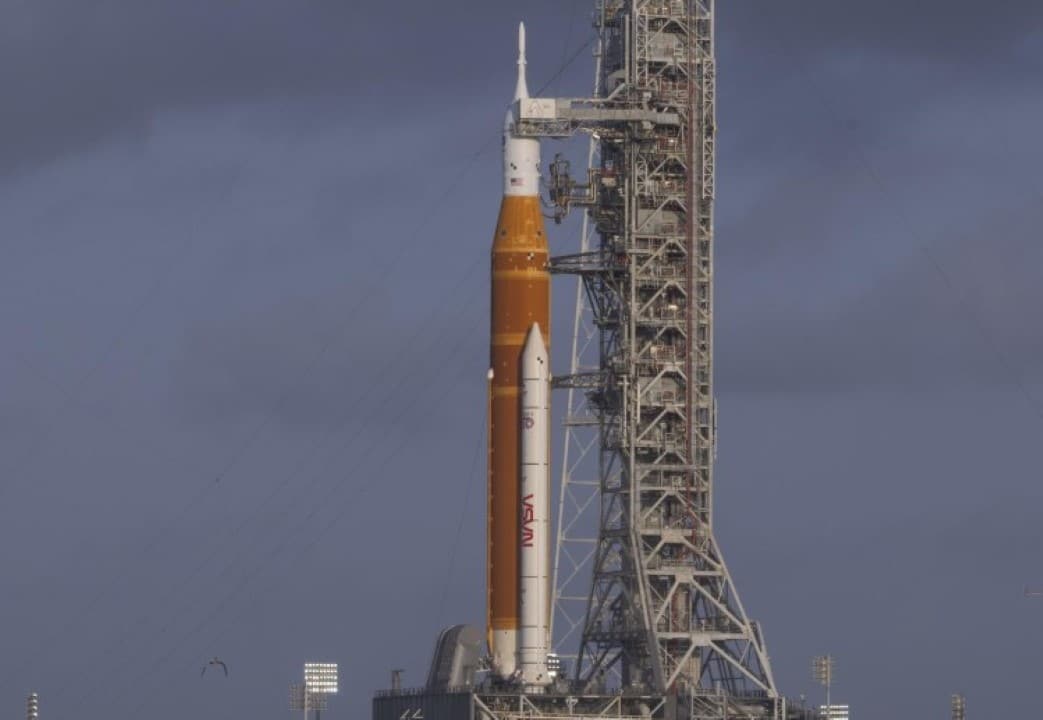
- Investimento in launch system by 2020: US$40 billion.
- Alocação budget for 2021-2025: additional $53 billion.
- 2026-specific Orçamento: $8.3 billion in lunar and Martian exploration.
- Missão Artemis IV scheduled to run until the end of 2030.
The distribution of resources reflects the technical complexity involved in creating new generation space transportation systems. The current priority lies in stabilizing the crewed flight schedule and securing the life support systems inside the Orion capsule. Technicians and engineers work on integrating components that allow long-term missions to be sustained in deep space, replacing obsolete technologies from the 1970s with digital and autonomous solutions that minimize risks for crews.
Cost Comparação with historical program Apollo
The economic analysis between Artemis and the Apollo missions reveals interesting perspectives on the evolution of the space economy. Durante to Apollo era, between 1969 and 1972, the Estados Unidos invested approximately 20 billion nominal dollars to take 12 astronauts to the lunar soil. Embora the nominal value of Artemis is about five times greater, experts indicate that the cost of the Apollo era, when corrected for current inflation rates, would reach between 150 and 170 billion dollars.
In terms of real purchasing power, the contemporary initiative presents more efficient financial management than the government effort carried out during Guerra Fria. Esta comparison demonstrates that, despite substantial investments, modern technology allows for more optimized operations and at a lower relative cost when adjusted for historical inflation.
Objetivos scientific current orbital phase
The launch window opened in April validates the ability to navigate in lunar orbit without landing on the surface at this stage. The astronauts assigned to the crew will circle the satellite and perform critical communications and atmospheric reentry tests before safely returning to Terra. The agency highlights that the primary objectives involve the expansion of scientific knowledge and the application of new technologies that can benefit everyday life on the planet.
The exploration of previously untouched regions, such as the lunar south pole, is a priority for the next stages, which will involve the effective landing of equipment and technical personnel. Estes orbital tests are essential to ensure the safety and success of future landing missions.
Diversidade and inclusion in astronaut selection
The established schedule foresees that the disembarkation of humans will effectively occur in stage Artemis IV, scheduled for the next four years. Diferente from previous missions, the current exploration phase prioritizes diversity among the members of the technical team that will operate the space systems. Specialists Victor Glover and Christina Koch were selected to take part in the activities that will take, for the first time in history, a black woman and man into lunar orbit.
Esta paradigm shift reflects the agency’s new values in promoting inclusion within high-level scientific exploration, breaking with the standards established during the last century. The representation in the crew symbolizes the commitment to the modernization not only technological, but also social of space programs.
Perspectivas future and permanent bases on Lua
The long-term strategy calls for Lua to serve as a commercial and scientific outpost for future manned trips to the planet Marte. The development of permanent infrastructure on the satellite depends on the financial and technical success of the missions launched this year, ensuring that the flow of supplies and oxygen is sustainable for the resident astronauts. Continuous investments aim to transform the human presence in the space from sporadic visits to a constant and productive occupation.
With the collaboration of international partners and private companies, the expectation is that the cost per launch will be gradually reduced as the Space Launch System rocket technology reaches the necessary operational maturity. Esta’s collaborative approach represents a significant evolution in the way space exploration is financed and executed in the 21st century.