Apple releases choice of AI assistants in iOS 27 with ChatGPT integration
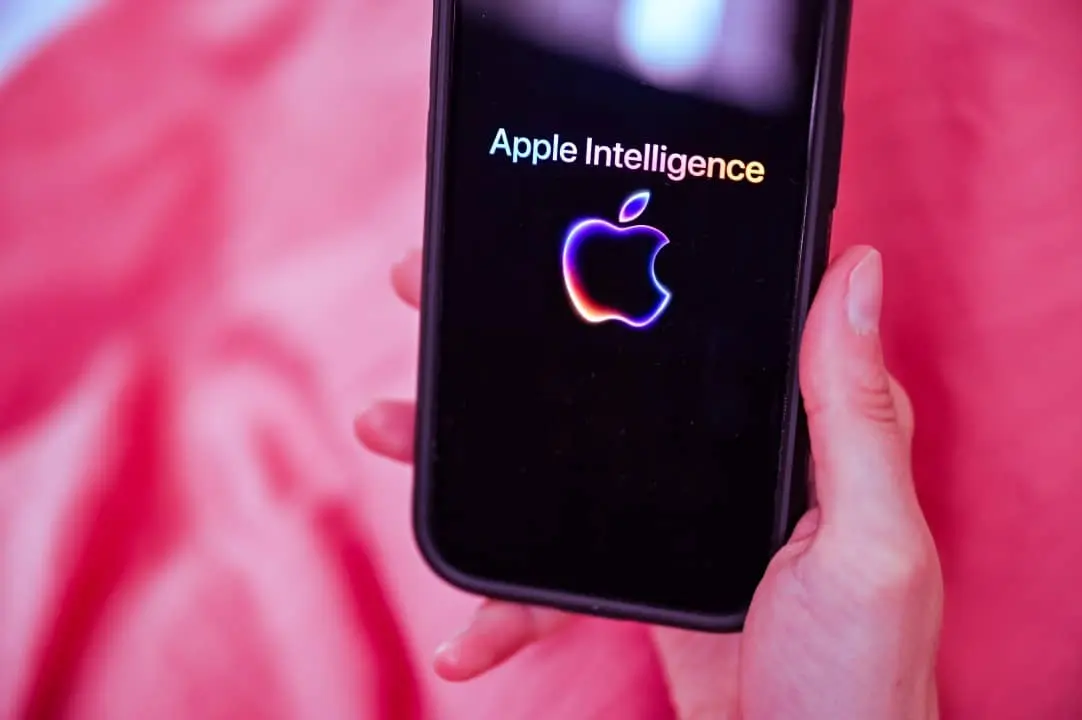
Apple announced a significant change in its artificial intelligence strategy for iOS 27. The operating system will allow users to choose which AI assistant they want to use on their devices, overcoming the closed model that characterized the company until then. The news marks an important step in opening the Apple ecosystem to third-party solutions, reflecting the growing demand for customization and flexibility in the use of artificial intelligence technologies.
Segundo information released, the functionality will also be expanded to iPadOS 27 and macOS 27. The objective is to allow assistants such as Claude and Gemini to integrate directly with system resources, working on an equal footing with Apple’s internal solutions. Essa opening represents an important strategic shift, as previously only the company’s proprietary models had exclusive access to certain tasks on iOS.
These are 7 new features coming in iOS 27 next month:
• New Siri with standalone app
• Apple Photos with new editing tools
• New Visual Intelligence features
• Create a pass in Apple Wallet
• Apple Health upgrades
• Autocorrect expansion for keyboard
• Auto-name groups in… pic.twitter.com/9aP7Z5HJkX— Apple Cycle (@theapplecycle) May 7, 2026
Apple Intelligence as configurable option
iOS 27 users will be able to replace Apple Intelligence with third-party solutions for important functions. The company has developed classification tools and visual resources that facilitate this exchange, allowing each user to customize their experience according to their preferences. Essa integration of external models represents a milestone in Apple’s customization strategy, demonstrating commitment to expanding options for the end user.
The change also affects Siri, Apple’s voice assistant. Agora, ChatGPT is the only external chatbot integrated into the iOS system, but with the update, users will be able to choose which AI assistant they want to use as default. Essa flexibility allows each person to configure the experience according to their specific needs, whether using proprietary Apple models or solutions from companies like OpenAI and Anthropic.
Voice Customização and new experience Siri
One of the most notable transformations is the ability to customize the Siri’s voice. Usuários will be able to associate different voices with the assistant depending on which AI model is being used. Quando or Apple Intelligence operates, Siri uses a specific voice, while when using ChatGPT or Gemini, alternative voices can be triggered. Essa distinction serves an important functional purpose: it allows users to quickly identify which service is answering their questions.
Leia Também

Messi reaches 19 goals in FIFA World Cups with great free kick for Argentina in clash with Jordan

Cristiano Ronaldo shines beyond the pitch at the 2026 World Cup with business empire and family luxury

At 41, Cristiano Ronaldo reaffirms his historic legacy and prepares to shine in the 2026 World Cup
The ability to swap voices goes beyond aesthetics. Ela fulfills a strategic objective of transparency by informing the user which source is generating the content. Isso is especially relevant considering Apple’s position regarding responsibility for data generated by third-party services. By making the origin of the response clear, the company reinforces its approach to privacy and trust, allowing users to understand exactly which technology is being used in each interaction.
Expansion Mecanismo for integrated chatbots
iOS 27 introduces what Apple calls a “scalability engine,” allowing third-party AI models to integrate into the system in a structured way. Essa functionality offers a technical framework for companies like OpenAI and Anthropic to incorporate their solutions in a secure and controlled way. Support for specific models will be managed through device settings, where users will be able to select which assistant they want to activate.
- Ativação of AI models: Assistentes of supported AI models appear in the settings menu for direct selection by the user.
- Parcerias required: Fornecedores must participate in the Apple expansion program for full integration.
- Integração per application: Aplicativos like OpenAI can natively support it across their own platforms.
- Flexible Seleção: Usuários defines which model works by default, with Apple Intelligence as an alternative option.
- Centralized Controle: Apple maintains oversight over which assistants can be integrated into the system.
Quando an application supports the expansion mechanism, users gain the option to configure which AI model they want to use as default. Isso means that Apple Intelligence is no longer the only choice, allowing each person to customize their experience according to their needs. Essa’s decentralized approach ensures that only Apple-approved models are offered, maintaining quality and security standards while expanding available options.
Implicações for autonomy and competition in the AI market
Apple’s decision to open its system to third-party AI models signals an important shift in the technology industry. Reconhecendo the diversity of solutions available, the company demonstrates that it understands the need for flexibility and customization. Essa opening also reflects the growing competitive pressure in the sector, where multiple companies are developing assistants with increasingly sophisticated and specialized capabilities.
Para AI companies, this integration represents a significant opportunity to reach millions of Apple users through unprecedented access. Simultaneamente, Apple maintains control over which solutions are allowed, preserving your privacy and security standards. Essa’s decentralized approach could accelerate innovation in the Apple ecosystem as competition among AI developers intensifies. The potential result is an environment where users benefit from multiple options, and AI companies gain incentives to create more robust and specialized models that meet specific market demands.