
Team of astronomers captures images of the Artemis 2 rocket and constellations from space

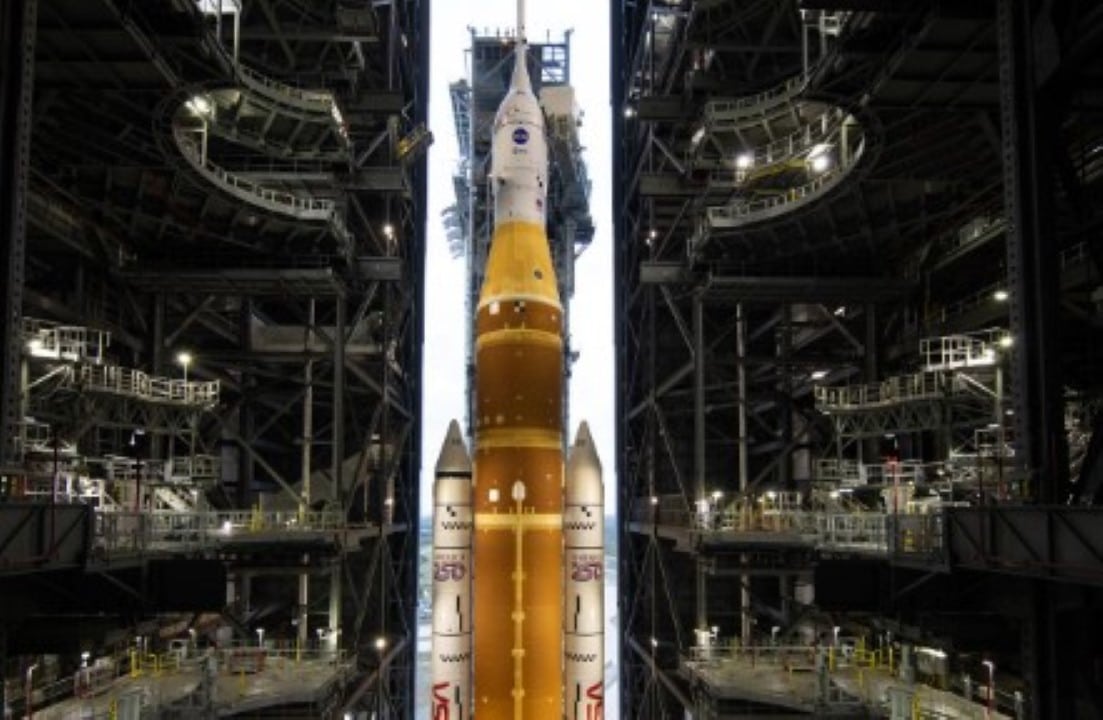
Fotógrafos amateurs and professionals on the Pointed Portal platform documented notable celestial events and astronomical phenomena between March and May 2026, including images from the Artemis 2 rocket captured through advanced telescopes. The photographs reveal both historic moments of space exploration and the beauty of the night sky, combining technical precision with visual observation of distant constellations and galaxies.
Lançamento of Artemis 2 recorded in detail
Space reporter Joshua Diner was on hand at Centro Espacial Kennedy, at Flórida, on April 1 to document the historic launch. The Sistema rocket from Lançamento Lunar (SLS) lifted off with noticeable vibrations that affected the initial quality of the images. Diner adjusted the camera’s exposure settings to compensate for the light intensity from the solid propellants, capturing multiple frames of the event.
The raw photographs initially had darkened areas due to challenging exposure during launch. Após adequate digital processing, the desired details became visible. Pequenos unexpected details appeared in the images, such as water droplets on the lens caused by the previous night’s humidity, creating reflections that added unique characteristics to the final photographs.
Observação from Andrômeda constellation in Apalaches
Editor Brett Tingley headed to the mountainous regions of Apalaches on March 28 with the specific aim of photographing the deep sky using long exposure techniques. The constellation Messier 31, known as the Andrômeda galaxy, offered ideal conditions for capture at that time of year. Localizada 1.16 million light-years from Terra, this structure represents one of the brightest galaxies visible to the naked eye in the northern hemisphere.
Tingley used an Celestron Origin Mk II telescope equipped with a specialized filter to capture details of the galactic structure. The equipment revealed the spiral shape of Andrômeda with impressive clarity, making visible structures normally imperceptible to the casual observer. The combination of specialized filters and prolonged exposure made it possible to record previously invisible nuances of luminosity and stellar density.
Equipamentos and technical methodology employed
- Telescópio Celestron Origin Mk II with specialized filters for observing constellations.
- Digital Câmeras with exposure settings adjusted for rocket launch events.
- Filtros specializes in capturing structural details of distant galaxies.
- Software digital processing for correcting raw images and enhancing details.
- Long exposure Equipamentos for night photography of celestial structures.
Perspectiva of Artemis 2 astronauts during orbit
Além from photographs captured of Terra, the team also documented images taken during the Artemis 2 mission. Astronauts aboard the spacecraft recorded the night sky along its orbital path, capturing patterns of constellations near Lua and stellar structures visible from space. The images show a distribution of pink and dark stars on the surface of the galaxy, with Via Láctea appearing as a luminous reference band.
Contexto’s mission and scientific importance
The launch of Artemis 2 represents a significant advance in the American lunar program, reintroducing astronauts into lunar orbit after decades. The mission reaffirms commitment to manned space exploration and demonstrates integration between traditional rocket technology and modern propulsion systems. Observações telescopes complement data collected in orbit, offering multiple perspectives for astronomical research and validation of remote observation technologies.
The celestial image sharing initiative represents a collaborative effort between professional astronomers and enthusiasts. Leitores are encouraged to submit their own astronomical photographs to participate in community discussions about celestial discoveries. Essa approach democratizes access to astronomical knowledge and strengthens global community of skywatchers.





