

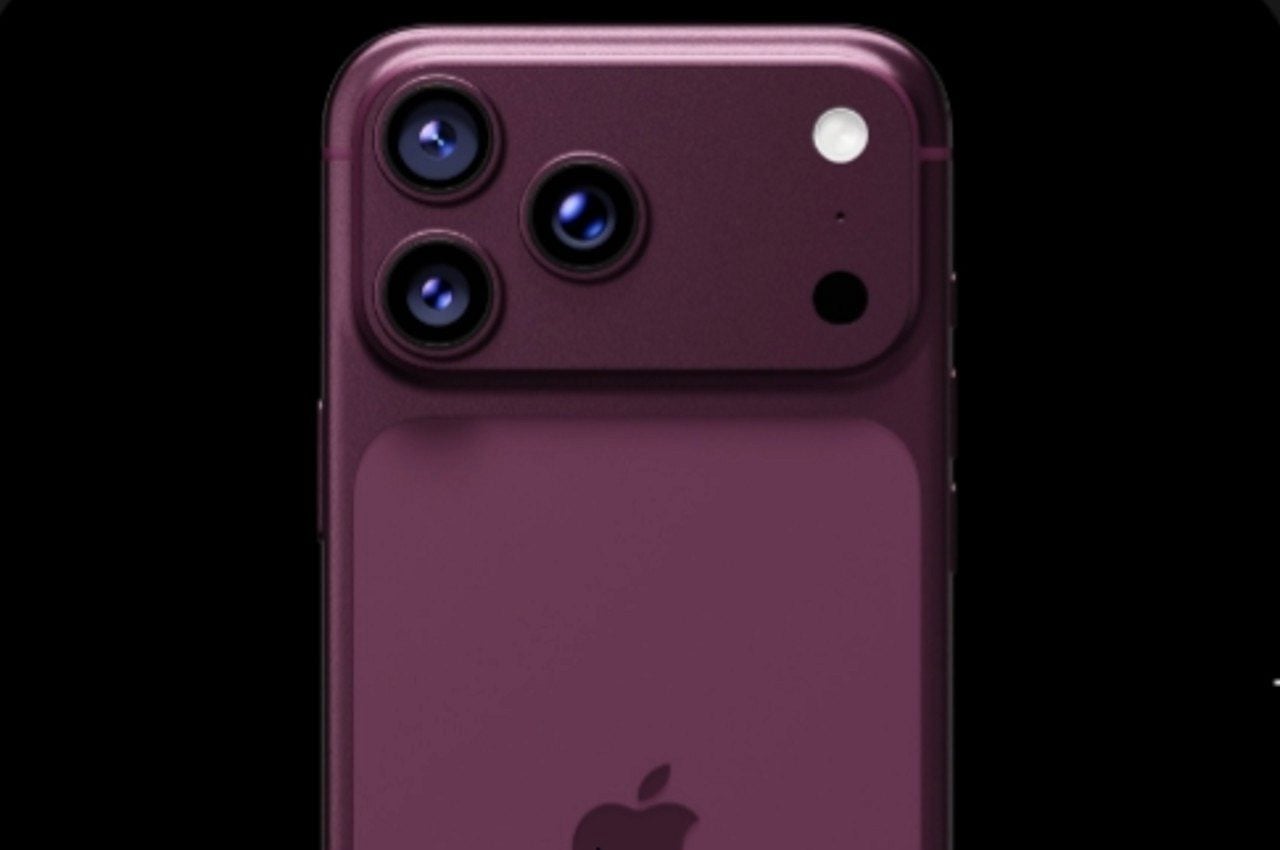
Apple made the iPhone 18 line official at a global event, marking the arrival of two revolutionary models on the smartphone market. The iPhone 18 Pro Max integrates a 200-megapixel periscopic camera and a variable aperture system unprecedented for the brand, while the iPhone Fold represents the manufacturer’s first foldable device. The devices hit the market in September 2026, with prices starting at US$899 for the base model and US$1,199 for the Pro Max.
Câmera 200 MP periscope and variable aperture lens
The iPhone 18 Pro Max’s photographic system received structural transformations that bring it closer to professional cameras. The main sensor is 1/1.12 inches, the largest light-capturing piece ever installed on a company phone, allowing it to absorb more photons during shooting. Digital noise reduction in night photography and poorly lit environments is significantly improved over the previous generation.
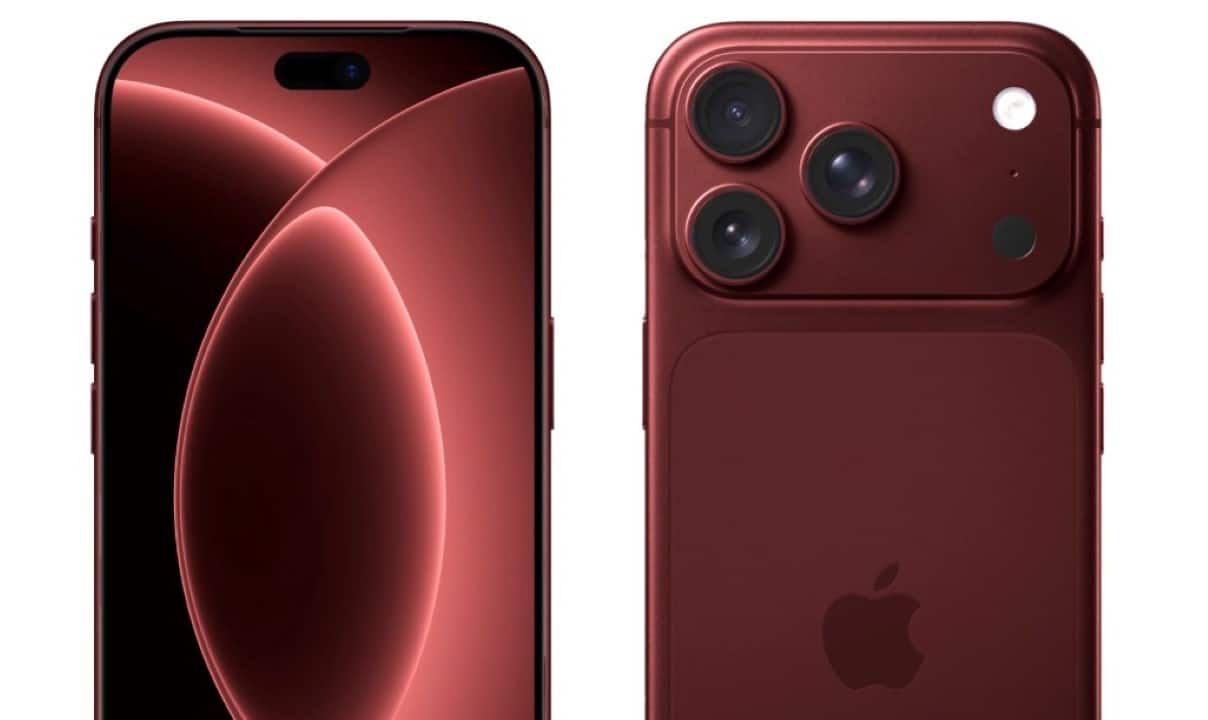
The most relevant innovation is the lens with variable aperture. The mechanism allows you to adjust the diaphragm size in real time before clicking, offering physical control over depth of field. The feature defocuses the image background optically, without software simulation, meeting historical demand from photographers and video producers who use smartphones as their main tool. The 200 MP periscopic camera complements the system, delivering optical approximation without loss of resolution.
The iPhone 18 Pro features a triple rear module with different specifications. The device has a 48-megapixel main sensor, a 48-megapixel ultra-angular lens and a 64-megapixel periscopic camera. Ambos and Pro models record videos in 8K resolution at a rate of 60 frames per second, using advanced algorithms to automatically correct exposure and white balance.
Processador A20 Pro and LTPO Super Retina XDR displays
The transition to the A20 Pro processor, manufactured with two-nanometer lithography, delivers greater energy efficiency and processing capacity. The chip works together with high-density batteries, offering 26 hours of continuous use. The iPhone 18 Pro Max houses a 5,200 mAh cell, while the Pro model carries a 4,300 mAh battery. Extreme power saving mode can extend operation for up to 72 hours by disabling secondary functions.
The displays use LTPO Super Retina XDR OLED technology with an M16 panel provided by Samsung. The iPhone 18 Pro Max has a 6.9-inch screen, while the Pro has a 6.3-inch display. ProMotion adaptive refresh rate operates at up to 120 Hz, reducing the frequency when the user views still images to save power. Engineers reduced the size of the Dynamic Island, freeing up useful space at the top for displaying icons and notifications.
- Memória 12 GB RAM for running multiple tasks in the background.
- Opções of internal storage reaching 2 TB in the Pro Max model.
- Modem C2 developed in-house for operator signal optimization.
- Native Compatibilidade with Wi-Fi 7 and Bluetooth 6.
- Expansão satellite communication system for messaging in remote areas.
iPhone Fold marks Apple’s entry into the flexible display market
The iPhone Fold inserts the Apple into direct competition for the smartphone market with foldable screens. The device has a book format, featuring a 5.5-inch external display for conventional use. The opening reveals an internal 7.8-inch foldable OLED screen, transforming the cell phone into a small tablet and making it easier to read documents, edit spreadsheets and consume videos in wide format.
The hinge underwent a long period of development in the company’s laboratories, designed to minimize the central mark on the flexible screen, a physical characteristic that affects competing devices. The Touch ID biometric security system was integrated into the physical power button on the side of the case, optimizing internal space and offering quick unlocking when the device is closed. The iPhone Fold hardware shares components with the Pro line, using an A20 Pro processor, 12 GB of RAM and up to 2 TB of storage. The rear camera module houses two lenses led by a 200-megapixel main sensor. The suggested price for the international market is around US$2,000, positioning the equipment in a niche category aimed at consumers willing to invest in new formats.
iOS 27 integrates advanced generative artificial intelligence
The line of smartphones hits the market running iOS 27 out of the box, focusing efforts on implementing generative artificial intelligence tools. The Siri virtual assistant received an update to its base code, allowing it to understand complex voice commands and maintain context during prolonged conversations. The software can cross-reference data from different native applications to perform tasks scheduled by the user.
The photo gallery application gained automated editing functions. The system identifies flaws in the composition and suggests precise cuts, while the object removal tool allows you to erase unwanted elements from the background by imperceptibly reconstructing pixels. The virtual keyboard analyzes typing patterns and frequent vocabulary, suggesting complete responses to text messages based on conversation history. The software architecture prioritizes local processing of information, with artificial intelligence tasks occurring within the A20 Pro chip itself without sending personal data to cloud servers.
Diversified Portfólio priced from $899
The base iPhone 18 acts as the gateway to the new generation, with a starting price set at US$899. The model maintains ProMotion technology for smooth interface scrolling, a function previously restricted to more expensive models. The external design and processor have received updates to ensure compatibility with iOS 27 and its artificial intelligence functions. The color palette features options in dark cherry, light blue, dark gray and silver, excluding the traditional black version. The iPhone 18 Pro goes on sale starting at US$1,099, reflecting the cost of new hardware components, especially advanced photo sensors and high-definition display panels. The portfolio’s clear segmentation divides consumers according to usage needs, with the base model serving the general public, the Pro line focusing on content creators and image professionals, while the Fold model explores interest in new physical formats.




