

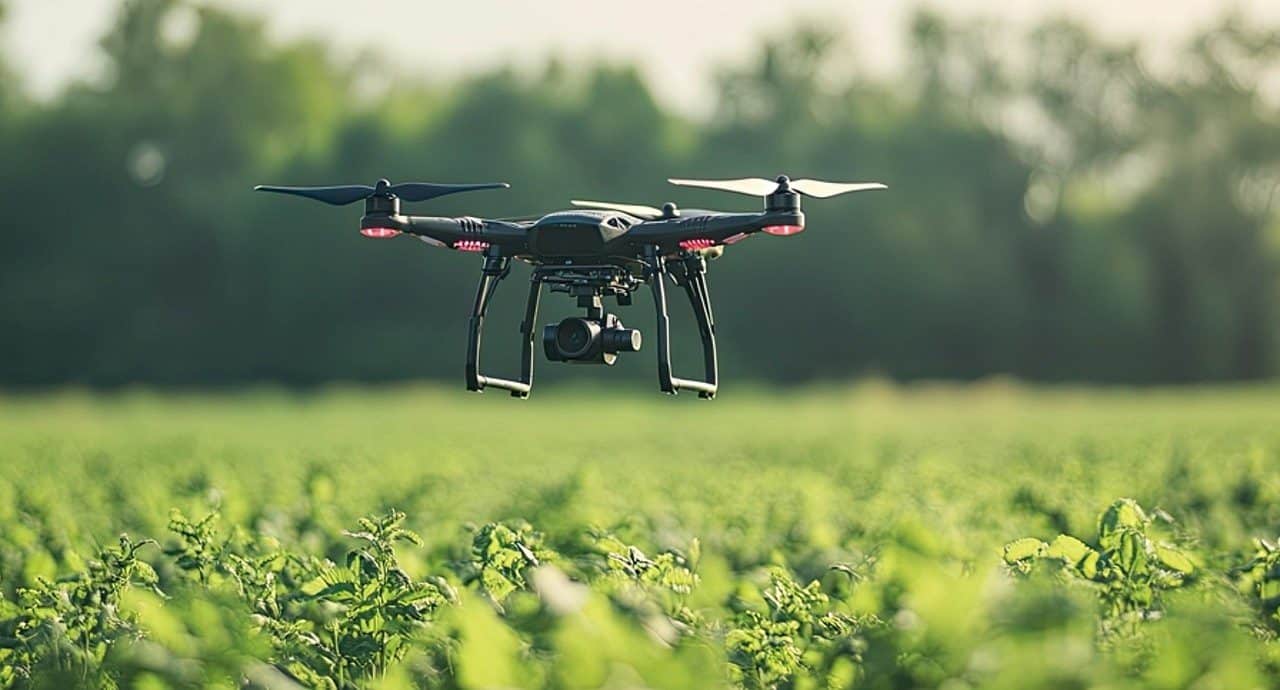
Mais of DJI’s 600,000 agricultural drones are already in operation in more than 100 countries, managed by trained pilots who have transformed aerial machines into standard tools of modern agribusiness. The global growth of the technology contrasts with the regulatory slowdown in Estados Unidos, where geopolitical barriers limit the adoption of equipment manufactured in China.
Segundo o Relatório of Insights of Indústria of Drones Agrícolas unveiled at Agrishow 2026, the expansion reflects a structural shift in the way farmers conduct planting, mapping and precision spraying operations. Enquanto Brasil and Canadá simplify regulations, Washington maintains restrictions that keep American producers away from market-leading technology.
Impacto global environmental and resource economy
DJI drone performance data reveals tangible gains in sustainability. The technology saved 410 million tons of water in global operations — a volume equivalent to the annual consumption of 740 million people. Redução of carbon emissions reached 51 million tons, comparable to planting 240 million trees.
Localized spraying with drones reduces the use of herbicides by up to 35% when applied to precision crops. Evita also causes soil compaction caused by heavy machinery, preserving the productive structure of the land.
Essa approach eliminates chemical drift and concentrates treatments only on areas that require intervention. Agricultores Brazilians use models such as DJI Agras T25P, DJI Agras T70P and DJI Agras T100 in coffee, corn, soybean and sugar cane crops with increasing regularity.
Brasil and Canadá as accelerated adoption models
The Brasil has emerged as a global benchmark in agricultural drone integration. ANAC, the Brazilian civil aviation regulatory agency, established standard scenarios that simplify operational approvals. Ministério of Transportes of Canadá also relaxed rules to authorize spraying, mapping and aerial monitoring.
Academic validation reinforces institutional trust:
- Field Estudos confirm safety and efficiency of drone spraying
- Grupos as UAPASTF Shape Standardized Guidelines for Aerial Pesticide Application
- Pesquisa university influences international policy reforms
- Estruturas regulations evolve towards authorization, not restriction
Agricultores Canadians and Brazilians face fewer regulatory hurdles, allowing quick integration into daily work routines. Essa operational advantage translates into cost reduction, increased productivity and better environmental traceability.
DJI Global Support Infraestrutura
The company consolidated a widespread presence to sustain scale operations. Rede of 3,500 service and repair centers is distributed globally, ensuring agile equipment maintenance. Mais’s 7,000 certified instructors provide training to operators on multiple continents.
Essa support architecture conditions speed of regional adoption. Países with easier access to DJI services exhibit steeper growth curves.
Estados Unidos: geopolitical regulation limiting agriculture
The American trajectory diverges significantly. Preocupações national security concerns related to DJI’s Chinese origin had a ripple effect on the agricultural sector. The company is on federal watch lists, facing continued legislative pressure for restrictions on Chinese manufacturers.
Legisladores Americans intensify demands for stricter controls, even though agricultural drones do not have surveillance applications. Geopolitical conflict contaminates commercial decisions in areas of low strategic risk.
Mecanismos regulations create barriers:
- Lista Coberta, maintained by Comissão Federal of Comunicações, increases pressure on importers
- Agências governments encourage alternatives to Chinese drone technology
- FAA requires exemptions and certifications for advanced operations, including spraying
- Incerteza regulations discourage investments in DJI equipment
Agricultores Americans face limited access, high costs, or prolonged waits for clear guidelines. Essa operational discrepancy places American producers at a competitive disadvantage relative to their Brazilian and Canadian counterparts.
Technological inflection Ponto and commercial implications
The DJI report marks the overcoming of a critical threshold: agricultural drones have ceased to be speculative accessories and are consolidating themselves as essential infrastructure for contemporary agriculture. Economia of inputs, increased productivity and environmental gains establish technology as a durable competitive advantage.
Simultaneamente, national trajectories diverge. Enquanto International farmers integrate drones into standardized routines, American producers navigate uncertainties shaped more by geopolitics than agronomy. Essa forking paths can have long-term effects on agricultural sectoral competitiveness and innovation capacity in precision machinery.




