
Opel presents electric Corsa with 280 hp and performance that surpasses the Golf GTI

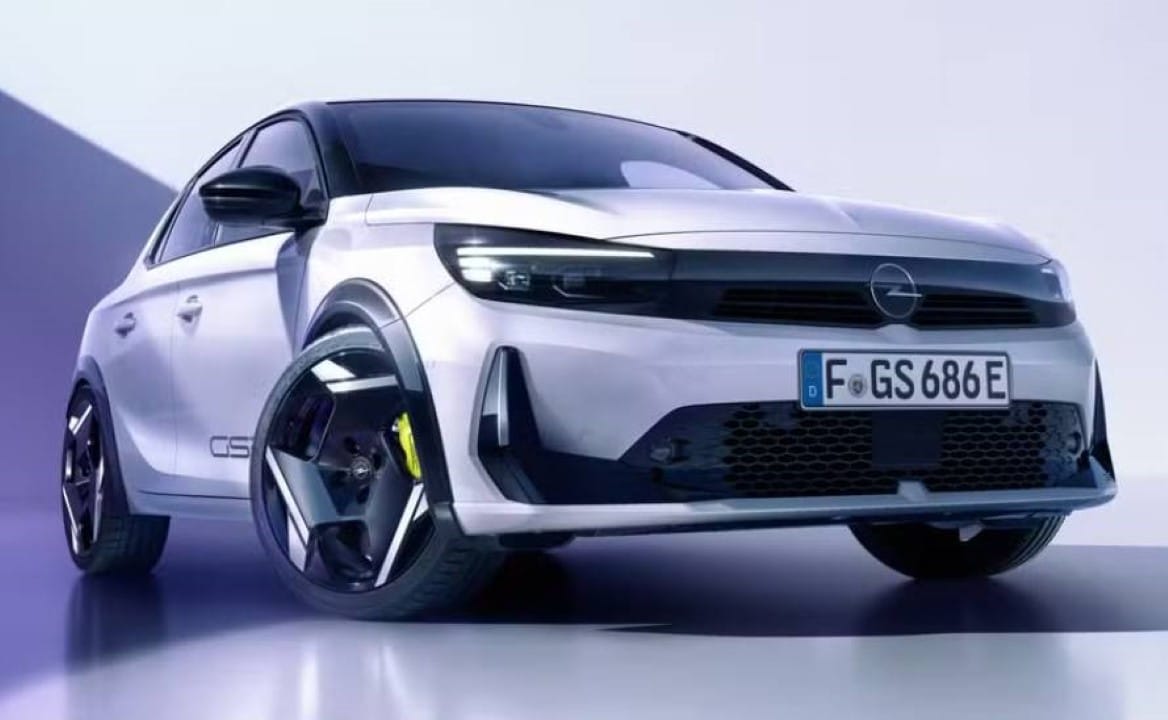
Opel revealed its new electric Corsa equipped with a 280 horsepower engine, consolidating the German automaker’s strategy of expanding the line of electrified models. The hatchback accelerates from 0 to 100 kilometers per hour in less time than the Volkswagen Golf GTI, a traditional performance benchmark in the compact segment. The launch marks the brand’s competitive presence in the European and global market for vehicles with electric propulsion.
The electric propulsion system offers immediate torque response, a difference that distinguishes electric engines from conventional combustion engines. Esse performance puts the model in a competitive position against direct rivals, rivaling sedans and hatchbacks from higher segments in acceleration and dynamism.
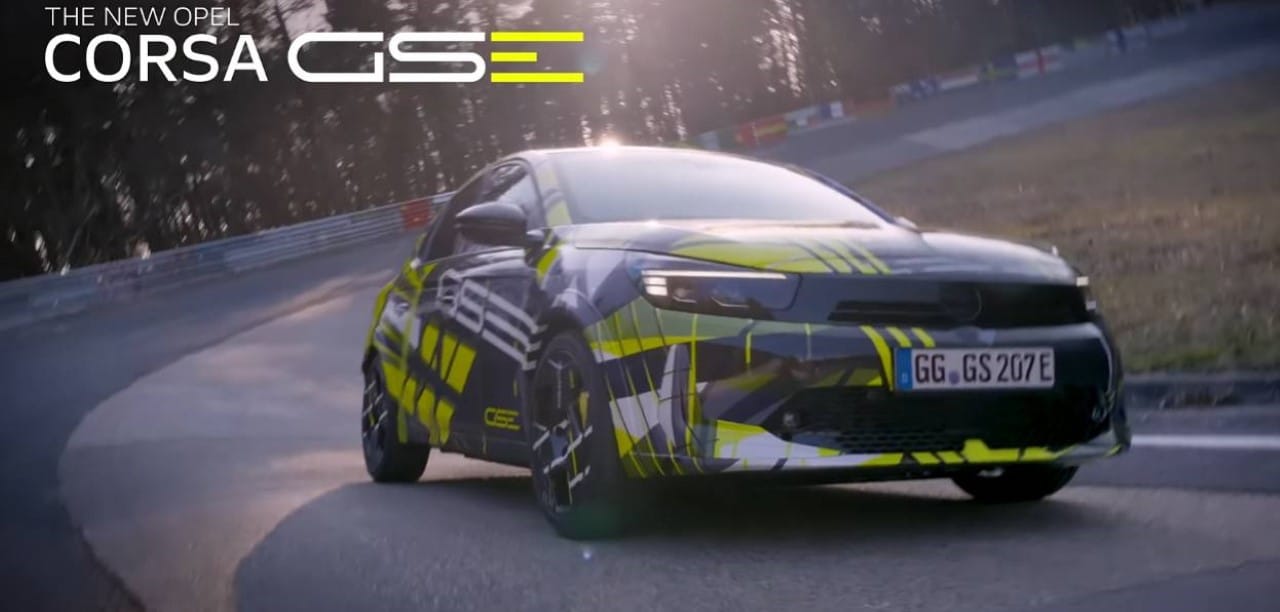
Especificações techniques and autonomy of the new model
The electric Corsa incorporates a high-capacity battery suitable for urban use and medium-distance travel. Total autonomy will be officially confirmed, but estimates point to a figure compatible with market standards for this class of vehicle. The fast charging system in direct current infrastructure is integrated into the project, reducing energy supply time.
Internamente, the new Corsa preserves useful space and compact dimensions that characterized previous generations. The interior features modern infotainment technology, digital dashboards and advanced driver assistance systems. The electrical architecture benefits thermal comfort and acoustic insulation quality, reducing engine noise and vibrations.
- 280 horsepower electric Motor
- Aceleração 0 to 100 km/h better than Golf GTI
- State-of-the-art battery Sistema
- Fast Recarga on DC infrastructure
- Integrated Digital Instrument Painel
- Sistemas advanced active and passive safety
- Conectividade integrated mobile
- Optimized electric assisted Direção
Posicionamento strategic in the European electric market
Opel’s decision to launch the electric Corsa reflects the consolidated trend of electrification in the European automotive industry. Regulamentações stringent environmental demands and growing demand for vehicles with zero exhaust emissions drive this movement. The model arrives at a time of acceleration of the energy transition in the automotive sector.
Concorrentes like Renault, Citroën and Peugeot already offer electric alternatives in the compact segment. The Opel proposal stands out for its combination of dynamic performance and the practicality of an urban hatchback. Preço has not yet been officially released, but the model is expected to occupy a competitive range within the premium electric segment. Infraestrutura charging continues to expand in Europa, with public and private networks increasing the availability of energy supply points.
Calendário Availability and Equipment Settings
The electric Corsa will arrive at Opel dealers in different markets during the second half of 2026. Priority Mercados include Alemanha, França, Itália, Espanha and Reino Unido. Configurações equipment will be offered to suit different consumer profiles, with basic versions focusing on value and essential functionality.
Premium Pacotes will include superior finishes, advanced infotainment technologies and expanded connectivity services. Garantia standard covers chassis, paintwork and mechanical components, while battery will have specific protection with extended coverage against premature degradation. Special financing Programas will be offered by banking partners in each country.
Impacto environmental and sustainability commitment
Local emissions Ausência positions the electric Corsa as a sustainable alternative for urban mobility. Consumo of electrical power will be significantly lower than vehicles with combustion engines equivalent in power. Pegada of total carbon, considering electricity generation, remains substantially lower in scenarios with a predominant renewable energy matrix.
Reciclagem electronic components and battery integrates Opel’s environmental commitment. Programas collection guarantees responsible disposal of parts at the end of their useful life, while the supply chain includes the use of certified materials and manufacturing processes aligned with international environmental standards.





