Stellantis prioritizes investments in Fiat, Jeep, Ram and Peugeot for recovery By Carolina Costa
3 min read
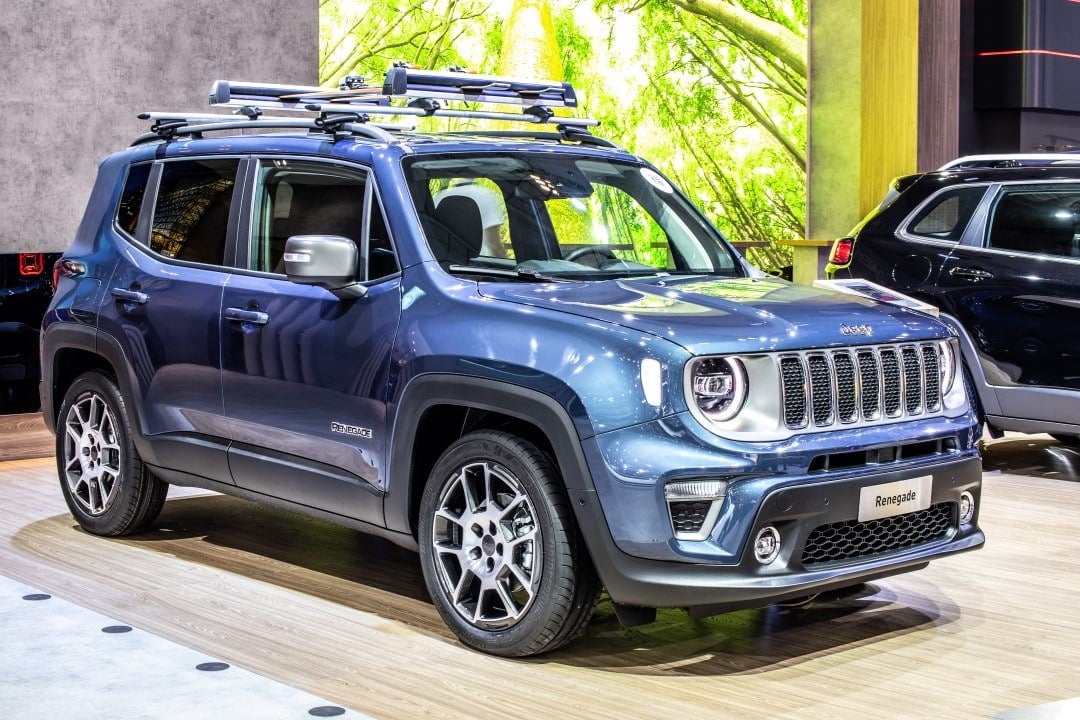 |
Stellantis will announce in May a profound reformulation of its global investment strategy, concentrating resources on the four most profitable brands in the portfolio: Fiat, Jeep, Ram and Peugeot. Antonio Filosa CEO will present the long-term strategic plan during an event at Detroit. The decision comes after the automaker recorded a loss of 22.3 billion euros in 2024, forcing the company to seek operational efficiency and faster financial returns.
Essas four brands already have the highest global sales volume and the best profitability compared to the other ten brands in the group. Investment will be substantially increased in these strategic divisions, while the others will receive smaller shares of corporate resources. The new model foresees that secondary brands use technologies and platforms already developed for the main models, differing only in the exterior design and visual identity.
Redução Spending on Secondary Brands Changes Internal Dynamics
The remaining ten brands in the Stellantis portfolio will face significant investment cuts. The strategy seeks to serve regional markets where these brands have consolidated strength, without necessarily eliminating any of them. Conversas internals reveal the possibility of closing operations in brands with low profit potential, but the leadership believes it is viable to expand in specific markets while maintaining brand diversity.
The success of the model depends less on the elimination of brands and more on the strategic use of each one in different regions. The company seeks to gain market share globally without reducing its current portfolio. Esse model would allow expanding presence while maintaining a diversified product portfolio. CEO Antonio Filosa advocates for all brands to remain in markets where they have viable regional potential.
Regional Desempenho highlights leaders and opportunities
In 2025, Stellantis sold 1.9 million units on Europa, with Peugeot accounting for 34% of that total. Nos Estados Unidos, an equally strategic market, 1.3 million vehicles were sold, with Jeep responsible for 47% of the group’s American sales. Essas figures demonstrate clear concentration of strength in specific brands by region.
- Peugeot leads Europa with a third of continental sales
- Jeep dominates the North American market with almost half of units sold
- Ram positioned as a growth brand in the next investment cycles
- Fiat maintains relevance in emerging and European markets
- Jeep and Ram offer higher profit margin per vehicle
The regional presence reveals specific successes that justify the concentration of resources. Peugeot leads in volume of units sold globally, while Jeep and Ram have better profitability per unit. Fiat remains strategic in emerging markets where the brand has an established history and consumer recognition.
Chinese Competição accelerates strategic restructuring
The pressure from Chinese brands on the European market accelerated Stellantis’s internal restructuring. European market share fell from 20.2% in 2021 to 14.3% in 2025, representing a loss of almost six percentage points in four years. Nos Estados Unidos, the trend is similar: participation fell from 12.5% in 2020 to 7.7% in 2025, a reduction of 4.8 percentage points.
Essa market share erosion demonstrates growing competitive pressure in both strategic markets. The concentration of investments represents a direct response to the global competitive challenge. Stellantis recognizes that maintaining a presence across all brands without strategic focus accelerates decline. The restructuring seeks to strengthen positions in segments where the company still has a clear competitive advantage.
Acionistas majors support structural changes
The decisions that will be announced in May have the support of the company’s large shareholders. Exor, the group’s largest shareholder, supports the restructuring of the business. Esse internal political support facilitates the implementation of structural changes in the organization and provides legitimacy for difficult decisions. The approval of the main investors signals confidence in the new business model proposed by management.
Internal discussions about the possible closure of operations in less profitable brands gain weight with shareholder support. Leadership has political freedom to implement structural decisions when necessary. The official announcement on Detroit will mark the beginning of a profound transformation in the way Stellantis allocates resources and positions its brands in the global market.