Curiosity detects pure sulfur crystals on Mars and challenges geological theories
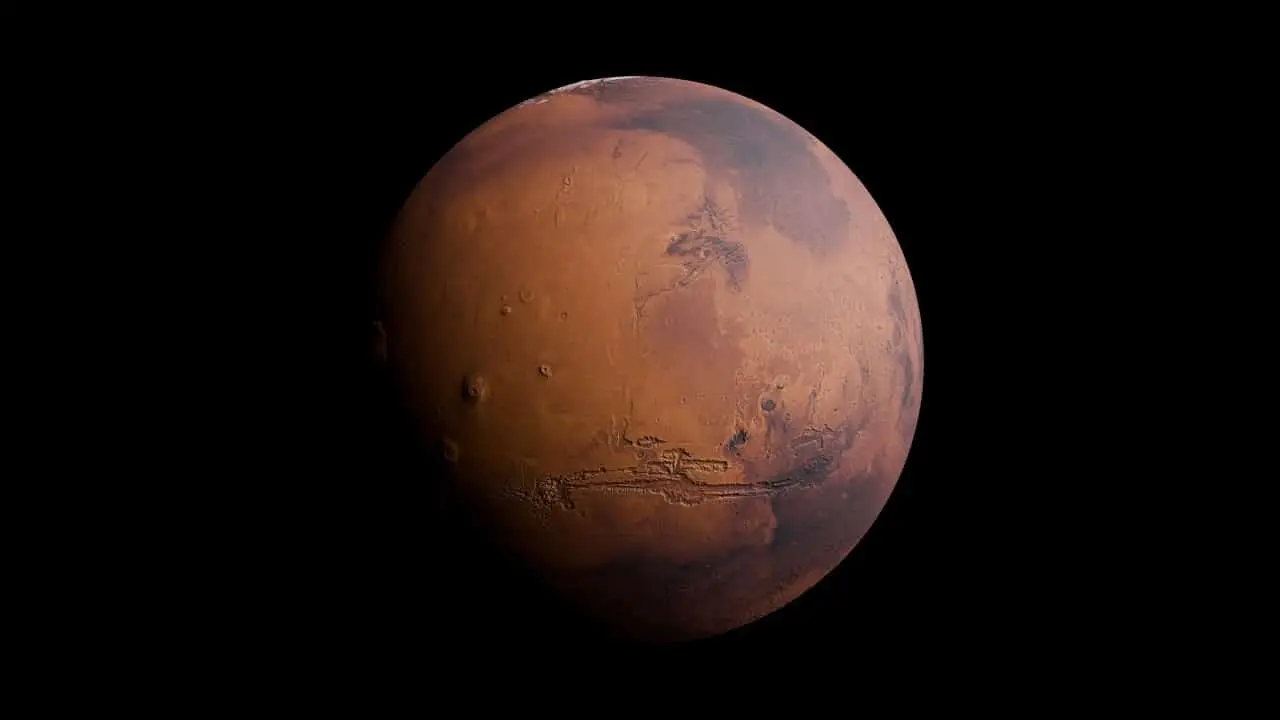
NASA’s Curiosity rover discovered a rock formation composed entirely of pure sulfur while traversing the channel from Gediz Vallis into Marte. The discovery occurred when the one-ton rover fractured rocks as it walked across the Martian surface, revealing internal crystalline structures that defy conventional explanations of the planet’s geological composition. Pesquisadores, who have been following the mission since 2012, claim to have never witnessed a similar finding during the rover’s entire operation.
An unprecedented geological find
The discovery marks a rare moment in the exploration of Marte. Cientistas experts in planetary analysis say that the sulfur previously found in Planeta Vermelho was always embedded in complex minerals within rocks. Encontrá it in pure crystalline form represents a geological puzzle that demands immediate investigation. The rover’s accidental impact acted as a natural investigative tool, exposing the interior of rocks and allowing onboard optical instruments to document previously hidden structures.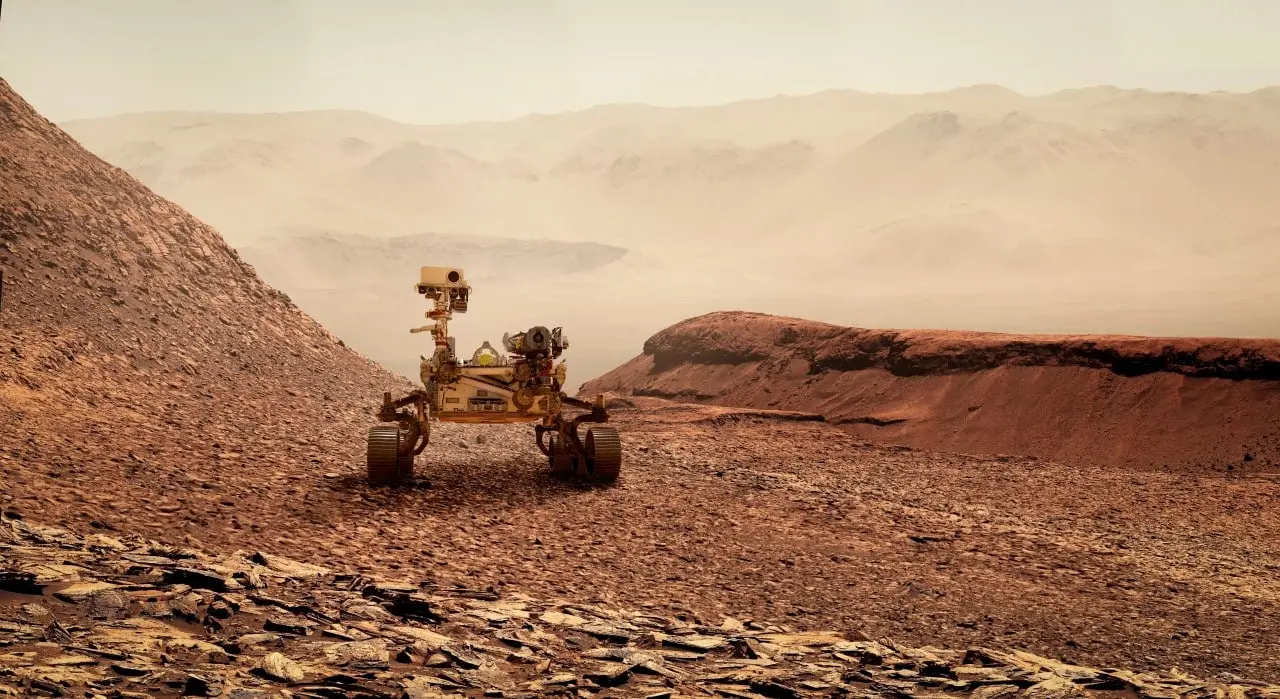
The researchers immediately took the opportunity to analyze the composition of the exposed crystals. Espectrômetros attached to the rover carried out detailed measurements that confirmed the identity of the material: elemental sulfur in a crystalline state. Tal configuration requires very specific geological conditions to form, and the explanation of how pure sulfur crystallized in Marte remains open.
Implicações for early Martian life
The presence of crystalline sulfur offers new clues about the biological potential of ancient Marte. Pesquisas terrestrials indicate that sulfur played a fundamental role in the origin of life on Terra more than four billion years ago. Naquela time, our planet’s atmosphere was rich in carbon and sulfur, conditions that facilitated complex chemical reactions. Encontrar pure sulfur in Marte strengthens the hypothesis that the Martian environment could also have supported life in its remote past.
Ambientes where sulfur crystallizes often exhibit variations in pH and temperature that could have supported primitive microorganisms. Ainda Although no direct proof of Martian life has been found, each new piece of evidence of favorable conditions strengthens the argument that Marte was a potentially habitable world during its ancient past.
Leia Também

Striker Estêvão details the emotional impact of a serious injury that made his trip to the World Cup unfeasible

YouTuber Jesse Ridgway and wife terminate pregnancy after Down syndrome diagnosis and suffer threats

The Duke and Duchess of Sussex release new records to celebrate daughter Lilibet’s fifth birthday
Liquid Água and Martian geochemical processes
The discovery of pure sulfur provides yet another element in the growing evidence that liquid water flowed through Marte at some time in its geological history. Pesquisadores had previously detected indicators of ancient rivers, mineral deposits that form in the presence of water, and rocks that show signs of water erosion. Agora, pure sulfur adds to this picture as an additional indicator of geochemical processes that required an aqueous environment to occur.
- Depósitos minerals that indicate the presence of water in ancient Marte periods.
- Rochas with signs of water erosion documented by orbital instruments.
- Crystalline Enxofre as a new marker of specific geochemical conditions.
- Variações of pH and temperature compatible with primitive life.
Continuidade and importance of the Curiosity mission
The Curiosity rover has continued its exploratory journey in Marte since its landing in 2012. After a decade of operating in extreme conditions, the vehicle continues to collect relevant data that transforms scientific understanding of the planet. Sophisticated onboard Equipamentos enables chemical and mineralogical analyzes that complement orbital observations carried out by satellites.
The discovery of sulfur crystals reinforces the importance of maintaining long missions on Marte. Unexpected Fenômenoss like this can only be detected through the continued presence of instruments capable of responding quickly to new evidence. Data collected over the next few months will add geological context that will help explain how and when these crystals formed, opening new avenues of investigation into the geological evolution of Planeta Vermelho.