Japanese probe confirms five DNA bases on asteroid 300 million km away

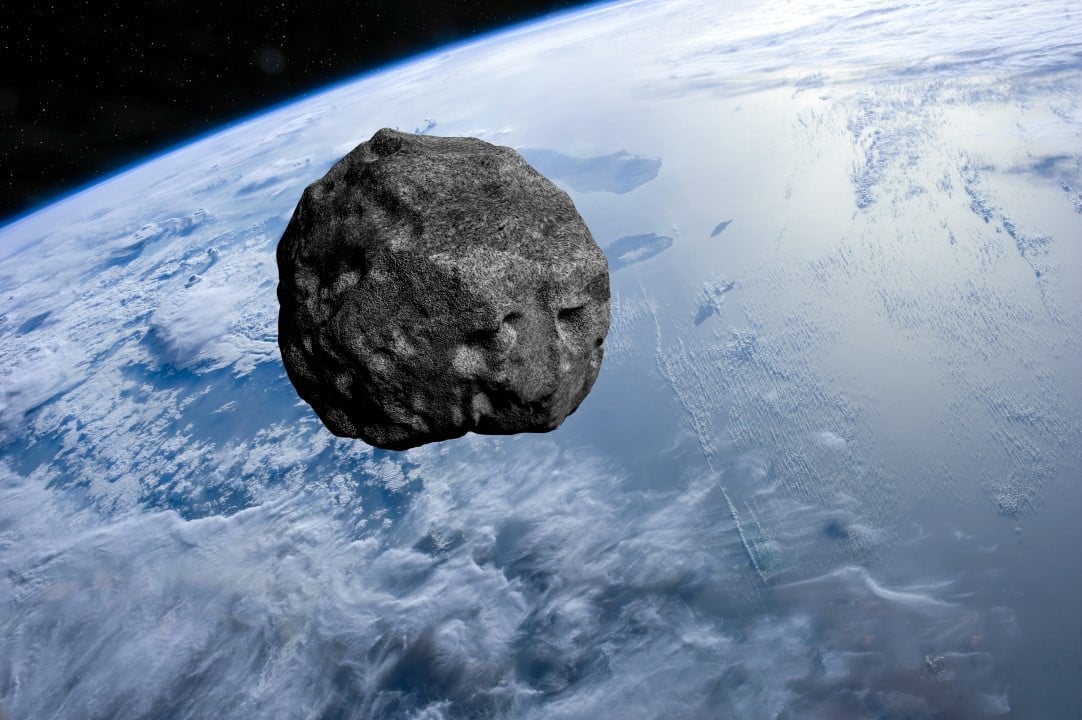
The Hayabusa2 mission returned untouched fragments of the asteroid Ryugu, located approximately 300 million kilometers from Terra. Stringent Análises confirmed the presence of the five canonical nucleobases: adenine, guanine, cytosine, thymine and uracil. Esses compounds form the chemical building block of DNA and RNA. The discovery marks a turning point in scientific understanding of how the essential ingredients for life form naturally in extraterrestrial environments. The absolute isolation of the samples eliminated possible terrestrial contamination and authenticated the genuinely cosmic origin of the detected compounds.
Captura of pure samples from outer space
The asteroid Ryugu, positioned three hundred million kilometers away, has become the center of an analytical revolution on primordial chemistry in extreme environments. The probe managed to capture small portions of this primitive body and brought them back in a capsule perfectly sealed against terrestrial atmospheric agents. The use of rigorous isolation methods prevented unwanted contact with moisture, dust and microorganisms from the earth’s surface, preserving the original integrity of the materials studied.
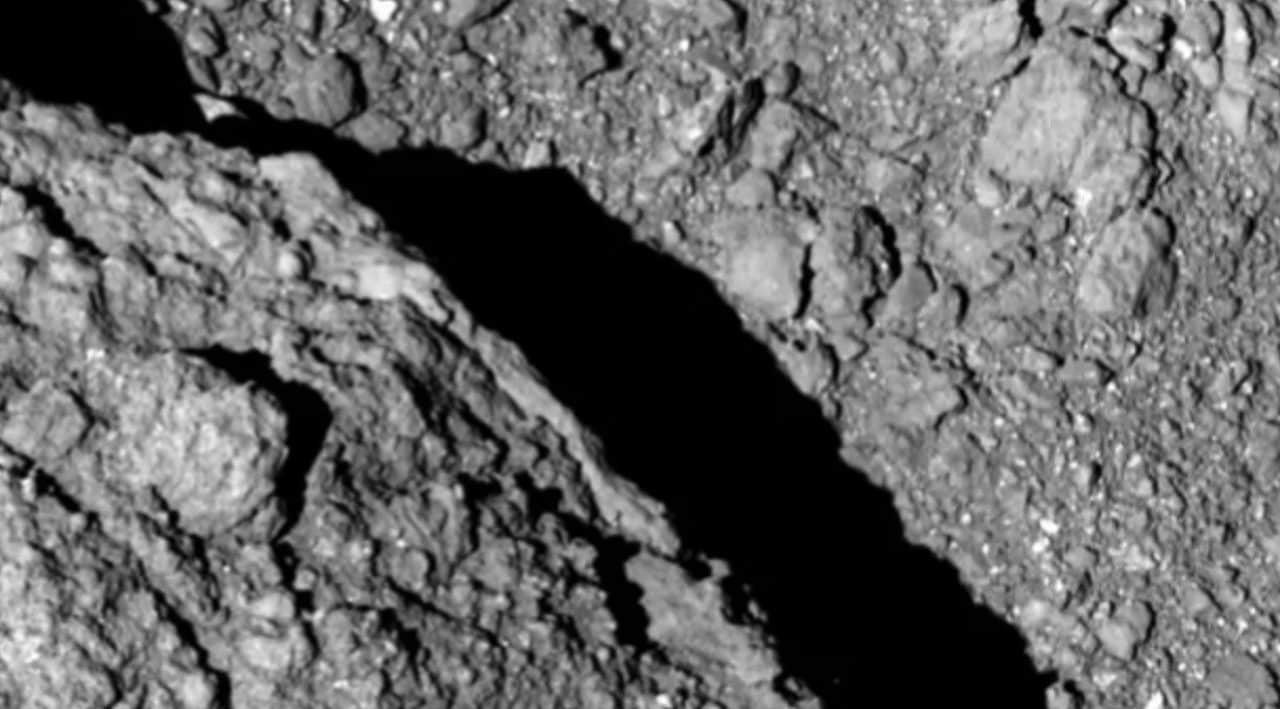
The major obstacle in analyzing rocks from space lies in the contamination that occurs when fragments touch the Earth’s surface. The elements in rainwater, soil microorganisms, and handling create serious uncertainty about the true origin of the identified compounds. The audacious capture carried out directly from the orbits definitively resolves this interference. A superficial mechanical impact made it possible to unearth samples that were protected inside the asteroid, functioning as true bubbles in time that validate the authenticity of the chemical reactions documented by international researchers.
Balanced Proporções reveal ordered synthesis
By painstakingly investigating rock grains, scientists have found the chemical foundations that orchestrate all cellular machinery. Researchers have mapped the main elements detected in dust that has traveled in the sidereal silence for billions of years. The proportions between the compounds revealed a highly ordered pattern, suggesting that formation is not the result of purely random processes.
The pristine material from Ryugu exhibited remarkably balanced proportions between the purines and pyrimidines detected. Esse’s accurate chemical balance strongly suggests that the creation of these substances follows an orderly and continuous flow. The absence of random noise in the structural signature excited astrophysicists dedicated to the investigative process. The measurements indicated that the abundance of ammonia directly influenced the directions taken by these molecules at the beginning of cosmological times.
The data collected allows us to identify five essential nucleobases:
- Adenina and guanine form a fundamental group of purines for the secure storage of vital data.
- Citosina and thymine act as powerful pyrimidines that organize complex structural templates.
- Uracila makes up the reactive strands and enables genetic translations in primitive cellular environments.
- The proportions between purines and pyrimidines maintain extraordinary balance, indicating ordered synthesis.
- The presence of ammonia specifically guides the arrangement of these fundamental chemical compounds.
Amônia as a natural catalyst for molecular synthesis
Ambientes celestial bodies abundant in ammonia can guide a much more specific arrangement for the chemical compounds that emerge in the first cosmic eras. The early solar system consisted of a gigantic laboratory with countless temperatures and varying liquid concentrations. The different matrix bodies forged their own substances in strict dependence on the dynamics of their interiors, shaped by unique pressures and radiation.
The massive presence of ammonia in the Ryugu fragments indicates that sophisticated chemical processes occur spontaneously on cold and apparently sterile asteroids. Cientistas identified that ammonia acts as a natural catalyst for reactions that synthesize nitrogenous bases from simpler molecules. Essa discovery opens new perspectives on how stray asteroids function as cosmic factories for essential chemical ingredients. The cosmic radiation permeating space, combined with the specific mineralogical composition of Ryugu, created ideal conditions for the continuous synthesis of nucleobases over eons.
Implicações for the search for extraterrestrial life
The verification of essential building blocks in these remote fragments solidifies an incredible precursor model, proving that carbon-rich environments store valuable reactive compounds well before any functional activity awakens. Esse level of knowledge establishes solid foundations for how errant rocks contribute to the early maturation of barren and potentially habitable worlds. If primitive asteroids carry all five fundamental building blocks of the genetic code, then the spread of these compounds through bombardment impacts means that any young planet could receive the essential ingredients for life.
The theory of panspermia, which suggests that life or its precursors travel between planets via asteroids, gains new scientific weight with this direct evidence. Fragmentos and Ryugu demonstrate that interstitial space is not a dead void, but rather an active chemical laboratory where complex molecules self-organize. The energy provided by cosmic radiation, combined with the minerals present in space rocks, creates perfect conditions for the spontaneous synthesis of fundamental organic compounds.
Futuras expeditions and international collaboration
Pesquisadores plans future expeditions to collect samples from other primitive asteroids, comparing their chemical compositions with data from Ryugu. Essa approach will allow mapping which environmental conditions favor the synthesis of nucleobases on a cosmic scale. Laboratórios on Ásia, América on Norte and Europa already share data on the shards, forming an unprecedented international collaboration. The isolation technology used in the Hayabusa2 mission will be improved for future sample captures, ensuring even greater purity in subsequent analyses. Essa discovery places the origin of life within a much broader and more universal context than previously imagined.
Maria Clara é colaboradora da redação do Mix Vale, portal de notícias com cobertura de Brasil e mundo. Produz conteúdo nas editorias de economia e benefícios, com foco em informação de serviço para o leitor brasileiro. Escreve para o portal desde 2016: Formação: Atriz.