
Assassin’s Creed Shadows fans criticize Nvidia’s use of AI and fear loss of visual quality

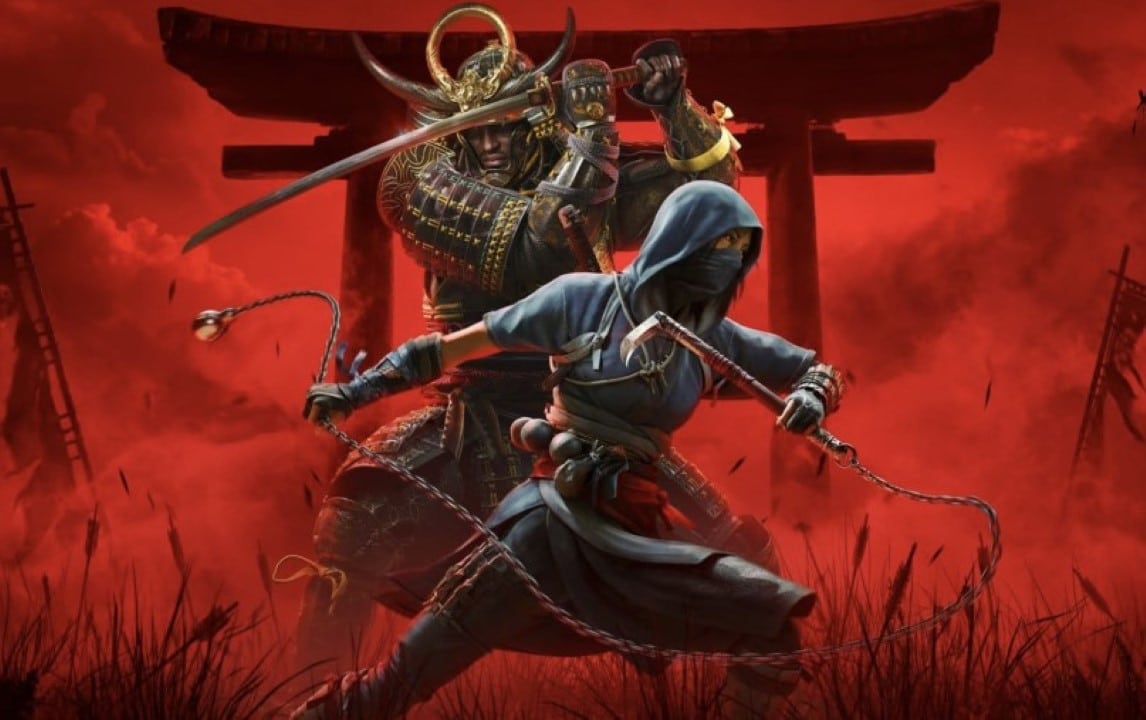
The integration of Nvidia’s DLSS 5 technology into the highly anticipated Assassin’s Creed Shadows generates strong resistance among players even before the official launch. The feature uses advanced artificial intelligence for cutting-edge graphics rendering. Fãs from the franchise express deep concern about possible drastic changes to the title’s aesthetics. The tool promises to significantly improve performance on modern computers. Muitos users believe that visual automation detracts from immersion in feudal Japão. The historical setting demands absolute precision in detail.
The debate is gaining momentum on social media and in forums dedicated to the universe of open-world games. The community questions the studio’s decision to adopt a solution considered generic for crucial elements such as lighting, shadows and textures. The dissatisfaction reflects broader concerns about the future of hand design in the high-budget video game industry. Independent Desenvolvedores also watch market movements closely. The adoption of neural tools divides opinions between hardware technology enthusiasts and digital art purists.
Impacto of artificial intelligence in the game’s art direction
The main point of friction involves preserving the visual identity created for the new chapter of the action series. Nvidia technology acts directly on the reconstruction of pixels through complex machine learning algorithms. Jogadores fear that this approach will irreversibly standardize graphics. Materiais specifics and architectural details from the samurai era risk losing visual authenticity. Original art direction requires historical accuracy to work properly. The game’s graphics engine needs to respect these guidelines.
Comentários frequently point out that artificial intelligence does not understand cultural nuances or human creative intentions during the rendering process. The game’s atmosphere depends on meticulous light and shadow work done by real artists. Extensive use of automated processes may generate artificial or inconsistent results when exploring the vast open-world map. The franchise has built its reputation on detailed recreations of landmark historical periods. The fan base demands that this non-negotiable quality standard be maintained. The player’s immersion directly depends on this fidelity.
Repercussão negative on the forums and pressure on the developer
Tópicos discussions accumulate thousands of daily interactions with direct criticism of the project’s technical choices in international forums. Participantes organize intense virtual campaigns to demand greater transparency from the company responsible for developing the title. Digital mobilization seeks to stop the dependence on generative systems in the finalization of the commercial product. Muitos players threaten to cancel advance purchases in protest. Discontent reaches levels rarely seen in such an early stage of a game’s release. The company’s communication fails to calm tempers.
The dissatisfaction is not just limited to the graphics, but encompasses the wear and tear accumulated by the brand in recent years on the market. Previous Lançamentos faced severe technical problems and mixed reviews from the public and critics. The introduction of a controversial technology at this delicate time worsens the perception of distance between creators and end consumers. Fãs calls for an immediate return to the series’ stealth roots. The priority must be the stability of the code and the narrative cohesion of the campaign. Promessas’s innovation is no substitute for basic quality.
Corporate Histórico and Ubisoft leadership decisions
The administrative structure of the subsidiary in charge of the game also comes to the center of online discussions in a forceful way. The presence of Charlie Guillemot as co-CEO raises questions about the guidelines adopted for the development of the title. The executive has a known history of involvement with emerging technologies and experimental business models in the sector. Essa’s trajectory generates immediate distrust among the franchise’s most traditional players. The community analyzes every corporate move with extreme caution and skepticism. The direction of the project seems uncertain to many.
Declarações stories about the family tradition in company management resurface in current debates with great frequency. Usuários connect organizational dynamics to recent technological partnerships signed with computer hardware giants. The general perception indicates that financial and marketing decisions trump the artistic needs of the internal development team. The focus on presenting market innovations overshadows the essential polish of the base game. The pressure for immediate business results worries longtime enthusiasts. The balance between profit and art remains on the agenda.
New Neural Rendering Feature Funcionamento
The official presentation of DLSS 5 highlighted significant advances in the way computers process complex three-dimensional images in real time. The tool promises to revolutionize visual fidelity without compromising the frame rate per second during the action. Assassin’s Creed Shadows serves as the main practical example of this new generation of optimization software. The system analyzes multiple frames simultaneously to predict and generate new details on the monitor screen. The promise attracts consumers focused on extreme performance and very high resolutions. Modern hardware demands efficient solutions.
The package of innovations brings profound structural changes to the rendering of complex virtual scenarios:
- Substituição of traditional light calculations by trained neural networks.
- Geração automatic high-resolution textures in real time.
- Integração deep with recent architecture video cards.
- Redução of the processing load on the computer’s central unit.
Relatos indicate that part of the art team discovered the feature’s implementation only during the event’s public demonstrations. Essa internal communication failure reinforces community arguments about developers losing creative control. The application of artificial intelligence filters to manual work generates ethical and professional conflicts in the entertainment industry. The balance between technical optimization and visual integrity remains completely undefined. Profissionais from the area calls for clearer protocols for the use of algorithms. The authorship of the work is up for debate.
Preferência from the public by traditional optimization methods
Diante due to technical uncertainties, a significant portion of players advocate maintaining classic graphical configuration options in the menus. The public prefers to use previous upscaling versions or alternatives from competing companies that interfere less with the final aesthetics of the image. Consolidated Tecnologias offer a known and reliable balance between performance gains and preservation of the original art. The imposition of new automated standards generates natural resistance in the community. Freedom of choice in the options menu becomes a central requirement for the launch. Gamers want total control.
The scenario reflects an extremely complex transition moment for the development of big-budget games around the world. The incessant search for photorealism comes up against the physical and technical limits of conventional hardware available on the market. Artificial intelligence appears as a viable solution for studios, but faces solid barriers to acceptance by end consumers. The future of the franchise depends on the ability to reconcile technological innovation with the expectations of a highly demanding fan base. The market is closely watching the French company’s next steps. The final result will define future trends.





