The Federação Internacional of Automobilismo (FIA) approved changes to the Fórmula 1 power unit regulations for the 2027 season. The decision changes the division between combustion engine and electrical energy, going from almost 50/50 to approximately 60/40, significantly reducing dependence on the electrical component.
Mark Rushbrook, global racing director at Ford, assessed the measure as “a good step” for the future of track motorsport. The review responds directly to the criticisms that arose throughout 2026, when pilots and teams pointed out structural problems in the current configuration of the units.
Críticas of Pilots Drive Regulatory Change
Complaints about the current format mainly focus on two points: slower qualifying laps and strategies excessively linked to battery management. Pilotos complained that the electrical component overloaded tactical decisions during the races, hindering direct confrontations on the track.
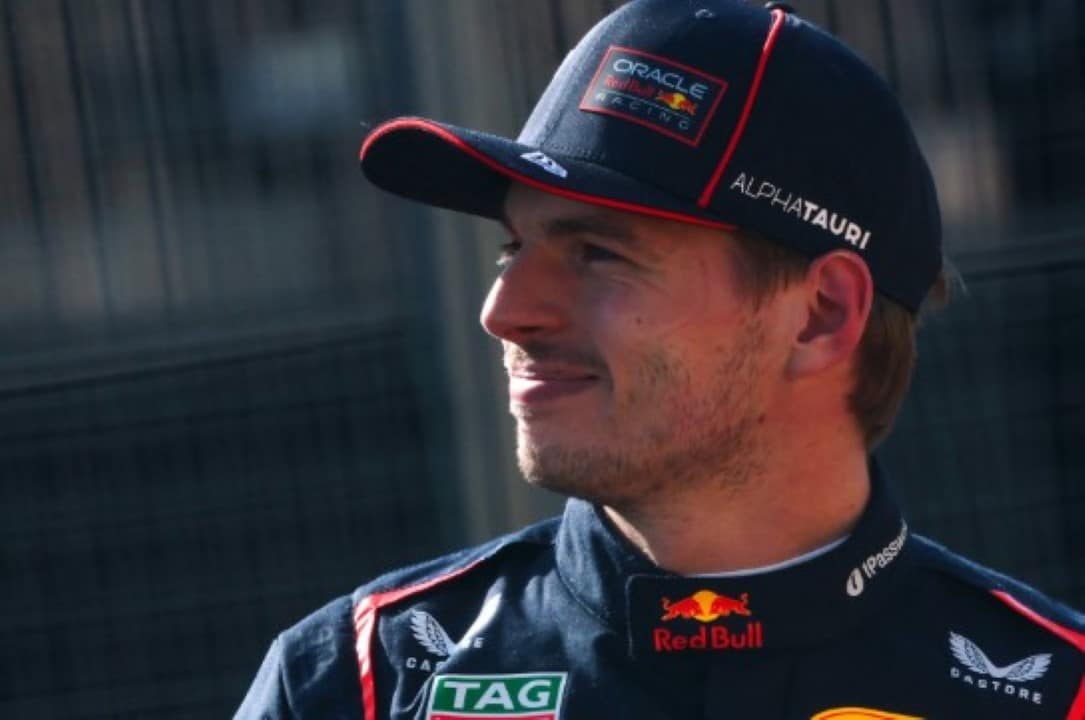
Four-time champion Max Verstappen was one of the most critical voices. Ele publicly stated that the format harms wheel-to-wheel disputes, arguing that the management of electrical energy created disadvantages for those who did not have the best battery components available.
Posicionamento from Ford on the regulation
“It is natural for interested parties to express their opinions and for decision makers to make their decisions,” Rushbrook told The Athletic. “But I believe this is a good step to help racing and the product on the track.”
Ford’s outlook reflects optimism about the direction F1 is taking. Rushbrook highlighted that:
- The change favors a more harmonious balance between combustion and electric
- The new format facilitates more competitive and attractive races
- Reducing electrical dependence simplifies strategies for teams and drivers
- The review comes while manufacturers are still adapting 2026 units
Current Desafios from Ford-Red Bull partnership
The regulatory review takes place at a delicate time for the partnership between Ford and Red Bull. The Austrian team faced a difficult start to 2026, with Verstappen achieving just a best result of fifth place in the first four stages of the season.
Mesmo faced the initial difficulties, Rushbrook praised the project’s progress. “We know it will take a lot of work to get there,” said the executive. “That’s part of the reason we partnered with Red Bull. Eles are natural competitors, they are committed to winning.”
The director also highlighted the challenge of competing against manufacturers with consolidated experience. Ferrari and Mercedes have dominated the power unit segment in F1 for years, making the entry of Ford a demanding undertaking.
Histórico recent and prospects
Rushbrook cited Red Bull’s recovery last year as evidence of resilience. In 2025, Verstappen came within just two points of a fifth consecutive title, despite initial difficulties with the RB21 chassis in that campaign.
The regulatory review for 2027 represents an institutional response to the demands of the paddock. The FIA sought to balance competitiveness, spectacle and technical feasibility for manufacturers who continue to invest in new engine projects.