
Xiaomi introduces Redmi Pad 2 to the Japanese market with 2K screen and aggressive offers on accessories

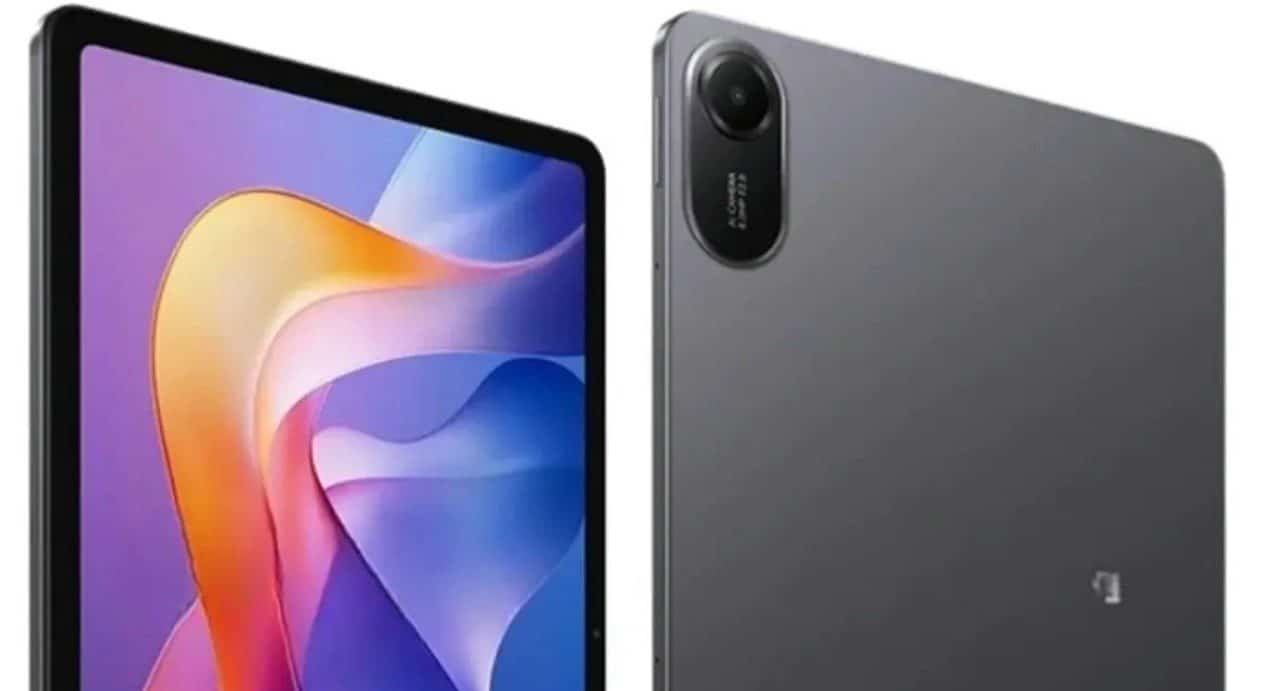
Chinese manufacturer Xiaomi has officially announced the arrival of the Redmi Pad 2 tablet on the Japanese market at the end of April 2026. The device focuses on the cost-benefit segment with a promotional campaign that significantly reduces the prices of the device and its official accessories. The strategy seeks to attract consumers looking for affordable equipment for studying, reading and light entertainment on a daily basis.
The launch takes place at a time of high competitiveness in the portable electronics sector at Ásia. The company is betting on balanced specifications, such as a high-resolution screen and long-lasting battery, to face direct rivals from the Apple and Samsung. The introductory offers remain active throughout the month of May in physical stores and retail partners across the country.
Estratégia commercial and impact on the Asian market
The expansion of the brand’s portfolio in the Japão reflects an adaptation to local demands for compact and efficient devices. The Japanese market demands products that combine portability with reliable performance for continuous use in public transport and offices. The new tablet arrives to fill the gap between large-screen smartphones and traditional portable computers.
Analistas from the technology sector observe that the pricing policy adopted by the manufacturer creates an entry barrier for new competing brands. The temporary reduction in launch prices encourages impulse purchases and increases customer loyalty to the company’s ecosystem. The tactic of subsidizing the initial cost of core hardware while offering complementary accessories for minimal fees has proven effective in the Asian region.
Especificações display and mobility-focused design
The front panel of the equipment features a 9.7-inch LCD screen with 2K resolution, reaching 2048 by 1280 pixels. The 120Hz refresh rate ensures fluidity when navigating interfaces and reading extensive documents. The component received the international TÜV Rheinland certification, which certifies the reduction of blue light emission harmful to human eyes.
Essa eye protection allows users to use the device for extended periods without significant eye fatigue. The balance between image quality and energy consumption makes the panel suitable for both high definition video playback and text editing. Factory color calibration meets standards required for today’s digital media consumption.
The external structure uses a high-strength aluminum alloy that gives the product durability without compromising the final weight. The device weighs exactly 406 grams and is just 7.4 millimeters thick. The overall dimensions of 147.97 millimeters wide by 226.51 millimeters high make it easy to transport in small backpacks and everyday bags.
Desempenho hardware and battery life
Data processing is carried out by the second generation Snapdragon 6s 4G chip, developed by Qualcomm. The component delivers the power necessary to manage productivity applications, internet browsing and casual games without experiencing slowdowns or unexpected crashes. The processor architecture prioritizes energy efficiency when running background tasks.
An internal battery with a capacity of 7,600 mAh provides the energy for the system to operate. The manufacturer projects an autonomy capable of supporting a full day of mixed use away from the sockets. The operating system’s intelligent power management works in conjunction with the hardware to suspend inactive processes and extend screen-on time.
A notable technical difference of the model is the maintenance of the traditional 3.5 mm input for wired headphones. Most competing companies have removed this connection from their recent devices, forcing the transition to Bluetooth headphones. The audio system also has dual speakers that deliver stereo sound for an immersive experience when playing films and series.
Integração artificial intelligence software and resources
The device leaves the factory running the Xiaomi HyperOS 3 interface, the latest version of the brand’s proprietary operating system. The software presents improvements in the fluidity of animations and the organization of configuration menus. The platform facilitates direct communication with other company devices, allowing quick file transfer and clipboard sharing between the tablet and smartphone.
Ferramentas based on artificial intelligence integrates the equipment’s native security and productivity functions. The facial recognition system uses advanced algorithms to map the user’s face and grant access to the system quickly and safely. The method eliminates the need to enter numeric passwords or drawing patterns on the screen each time you unlock.
The partnership with Google brings the visual search feature integrated directly into the main user interface. The tool allows the consumer to circle images or texts on the screen to start an immediate internet search for the selected item. Native 4G connectivity ensures these searches and other online functions remain accessible even outside of Wi-Fi networks.
Condições promotional and market availability
The launch campaign structures prices to encourage the purchase of versions with greater storage capacity. The discounts applied reduce the final cost of the product and make the purchase of the official protective cover almost mandatory due to the drastic drop in its value. Japanese consumers find the product in graphite gray and silver.
The commercial conditions established by the company follow a specific schedule for Japanese territory during the product introduction period:
- Modelo with 4 GB of RAM and 64 GB of storage costs ¥21,980, with a discount of ¥3,000.
- Versão with 4 GB of RAM and 128 GB of internal space costs ¥28,980, also reduced by ¥3,000.
- Official Protection Capa is reduced in price to ¥980 when purchased together, representing a 67% discount.
- Validade of all promotional offers officially ends on May 31, 2026.
- Immediate Disponibilidade in graphite gray and silver color options in physical and digital retail.
The aggressive price positioning consolidates the device as one of the main options in the entry-level and basic mid-range segment. The combination of a high-quality screen, long-lasting battery, and up-to-date software meets the needs of the average consumer looking for a first tablet or replacement for an older model. The brand’s strategy aims to increase its market share in Ásia throughout the year by offering affordable technology without sacrificing fundamental connectivity and multimedia features.





