

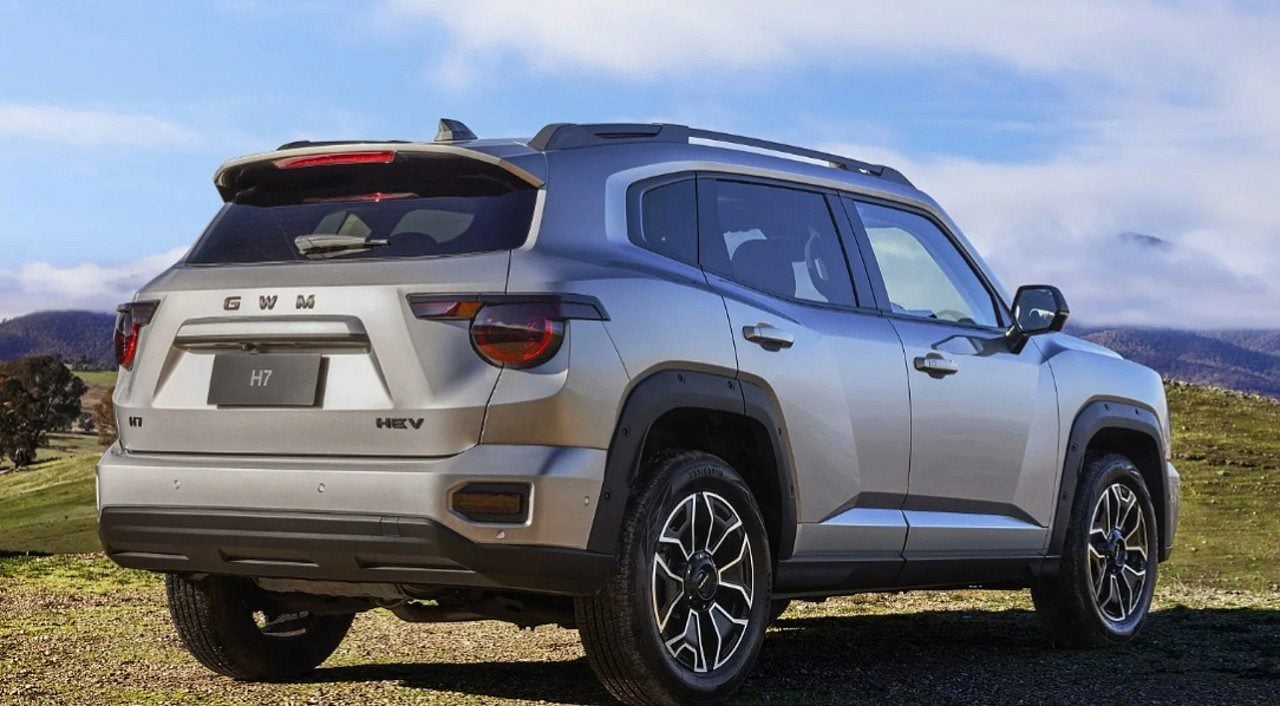
Chinese automaker GWM confirmed the launch of the Haval H7 in the Brazilian market during 2026, marking a significant strategic change in the brand’s operations in the country. The new plug-in hybrid SUV arrives to face consolidated models such as the BYD Song Plus, Toyota Corolla Cross and Jeep Compass, signaling GWM’s transition from a supplier of economical alternatives to a competitor in more robust and technological segments. The movement forces reactions from established players in the medium segment.
Generous Dimensões and Strategic Price Positioning
The Haval H7 has expressive proportions, measuring approximately 4.8 meters in length with a trunk of around 586 liters. Essas dimensions position it above the Haval H6, consolidating the vertical expansion of the brand’s portfolio in the Brasil. The model will be launched with a target price below R$300,000, a strategy that seeks to occupy an intermediate space between conventional and electrified medium SUVs, attracting consumers who want advanced technology without paying premium prices. The familiar and robust proposal differentiates the H7 from direct competitors that focus on brand reliability and an established network.
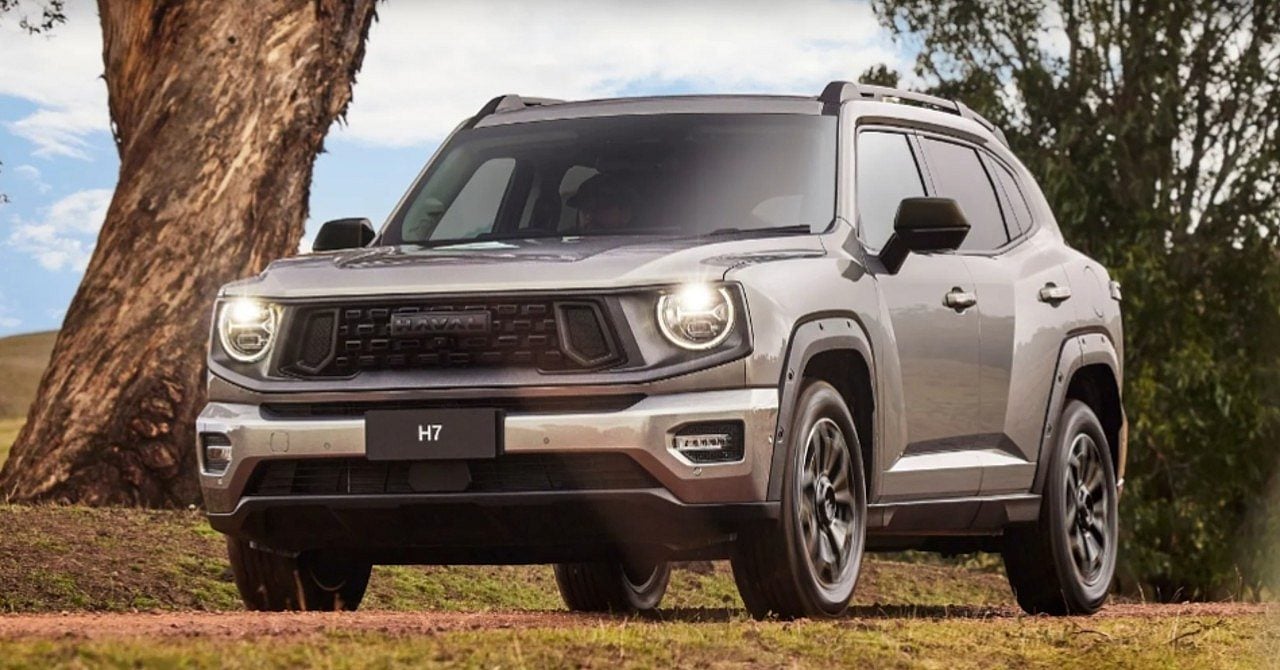
Hybrid Potência that outperforms competitors in the segment
The Haval H7’s mechanical package combines a 1.5 turbo engine with electric propulsion in a plug-in hybrid configuration. Combined power varies between 326 hp and 364 hp, positioning the model above most direct competitors in the segment. Essa performance stands out especially against BYD Song Plus and Jaecoo 7, which also focus on electrification but with lower powers. The system offers electric autonomy for short urban journeys and combined power for longer journeys, balancing efficiency and performance in different usage scenarios.
Tecnologia embedded with advanced LiDAR sensor
The Haval H7 integrates a 14.7-inch multimedia center into the dashboard, complemented by a 10.2-inch digital panel that provides real-time information on consumption and autonomy. The technological difference lies in the LiDAR sensor, which allows semi-autonomous driving and positions the model among the most technological offerings in the medium segment. 360-degree Câmeras, adaptive cruise control and autonomous emergency braking complete the vehicle’s robust safety package.
- Central 14.7-inch multimedia integrated into the panel
- 10.2-inch digital Painel with real-time consumption and autonomy data
- LiDAR sensor for semi-autonomous driving
- Câmeras 360-degree adaptive control and autonomous emergency braking
Esses equipment significantly increases the model’s perceived value. Enquanto Traditional SUVs offer more basic technology, the H7 arrives with features that were exclusive to premium models, justifying its price positioning and attracting consumers looking for more than pure economy.
Impacto competitive in the electrified mid-range segment
GWM’s strategy creates a direct effect on the market dynamics of midsize SUVs. The Haval H7 puts pressure on both traditional SUVs like the Corolla Cross, Compass and Volkswagen Taos and hybrid models like the BYD Song Plus. The difference lies in the combination of electrification, superior power and embedded technology concentrated in a model with a competitive price. Toyota and Jeep have dominated the segment for years with brand reliability and an established network, but the H7 offers hybridization with superior power and a more affordable price. The BYD Song Plus faces a new direct competitor that combines superior power and a more robust technological package.
Consolidação of the brand in the national market
The arrival of the H7 significantly expands GWM’s portfolio in the Brasil. His Abaixo, the Haval H6 continues as an entry into the mid-size SUV segment, while the new model occupies space previously left vacant by the brand, allowing GWM to capture customers at different decision and income points. Essa vertical structure places the brand in a more competitive position compared to established competitors, offering options in ranges that it previously did not occupy with strength. The movement reflects confidence in the demand for electrified SUVs in the Brasil, a segment that has been growing annually and should consolidate GWM’s presence in the national market over the next few years.




