
Japanese automaker updates 2027 Corolla Cross with plug-in hybrid system and sports version


Toyota confirmed the complete renewal of the Corolla Cross sports utility vehicle for the 2027 line. The model will now feature an unprecedented plug-in hybrid system in the category and will receive profound updates to its external design. The automaker concentrates the manufacturing of the vehicle at the Sorocaba industrial unit, located in the interior of São Paulo. Esta structural change aims to maintain the product’s competitiveness in the face of the accelerated advancement of Asian competitors in the South American market. The strategy involves modernizing the industrial park to support the new electrified architecture.
The design uses an updated platform to house the high-capacity battery pack without compromising internal space. The brand’s Engenheiros worked on integrating the new electric drive with the traditional combustion engine. The technological transition reflects a global demand for more efficient and less polluting vehicles. The current automotive market requires quick responses from traditional manufacturers to maintain sales volume. The Brazilian factory will serve as a central export hub for several América Latina countries, consolidating the importance of the national operation.
Mechanical Desempenho brings unprecedented electrified motorization
The powertrain represents the most significant change in the new generation of the utility vehicle. The system combines a two-liter combustion engine with highly energy-efficient electric thrusters. Combined power reaches 223 horsepower. Este number places the vehicle at a new level of performance within its segment. Motoristas will notice an immediate response when stepping on the accelerator. Engineering focused on delivering safe overtaking on single-lane highways.
Energy management works intelligently throughout the urban or road journey. The on-board computer switches between engines according to the power demand and vehicle speed at the time. The cabin’s acoustic insulation received structural reinforcements in the doors and floor. The sound of the combustion engine invades the interior less during strong acceleration or steep climbs. Especialistas point out that driving smoothness remains a central feature of the model, maintaining the standard demanded by the brand’s consumers.
The regenerative braking system has also undergone a complete recalibration to optimize energy recovery. The force generated during braking returns directly to the battery pack positioned under the floor. The driver feels an imperceptible transition between electric braking and the action of the mechanical pads. The durability of friction components increases considerably with this technology. The cost of preventive maintenance tends to fall in the long term.
Autonomia electrical and fuel efficiency
The lithium-ion battery allows daily commuting without using a single drop of gasoline. The vehicle can travel up to 70 kilometers using only all-electric mode. Este range perfectly meets the urban routine of the vast majority of users in large capitals. The driver can go to work and return home without emitting polluting gases into the atmosphere. Long Viagens continues to rely on the traditional fuel tank, eliminating the anxiety of recharging on unstructured roads.
The energy replacement process presents practical solutions for everyday domestic use. The owner can plug the car into a conventional 220 volt socket installed in the garage. The system recovers eighty percent of the battery capacity in approximately two and a half hours. Average fuel consumption in hybrid mode reaches 16 kilometers per liter. The sports utility vehicle delivers efficiency figures comparable to those of compact cars with low-displacement engines.
Atualizações visuals and interior technology package
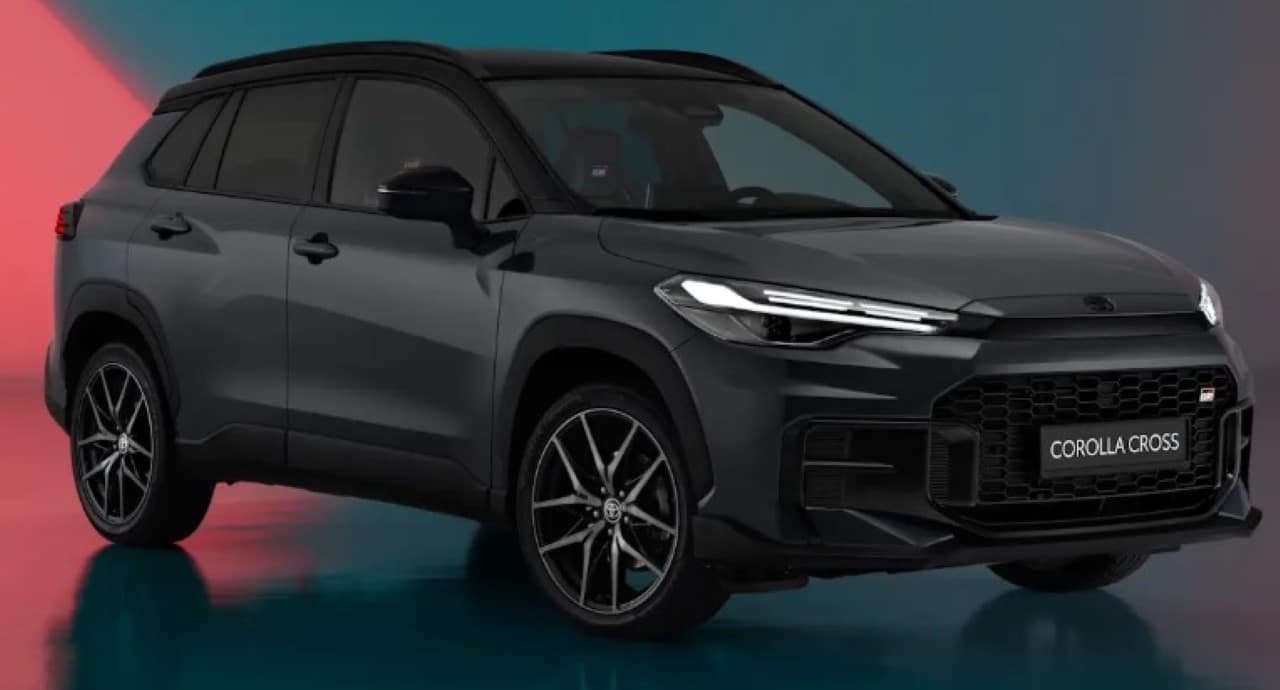
The design department aligned the car’s aesthetics with the automaker’s new global visual identity. The front grille adopts a shape that is perfectly integrated into the bumper design. The LED headlights gain a tapered cut and a new light signature for daytime use. The rear features redesigned taillights with blacked-out three-dimensional elements. The set conveys a more robust and imposing posture on the city streets.
The cabin received soft-touch materials and precise finishes on the doors and central panel. Embedded technology dictates the pace of major internal changes for occupants. The driver will find the following equipment at his disposal in the new version:
- Fully digital instrument Painel with 12.3-inch high-resolution configurable display.
- Central 10-inch floating multimedia equipped with fast response processor.
- Native wireless Conexão for Android Auto and Apple CarPlay operating systems.
- Carregador induction cell phone with power increased to 15 watts and cooling.
The absence of cables spread across the console improves the general organization of the internal environment. The automatic air conditioning system maintains physical controls to facilitate quick temperature adjustment without diverting attention from the road. The front seats feature high-density foam designed to reduce muscle fatigue on long journeys. Ambient LED lighting allows interior colors to be customized according to the driver’s preference.
Configuração sports and national production strategy
The GR-Sport variant returns to the brand’s catalog with mechanical modifications that go beyond simple aesthetic makeup. The Gazoo Racing division calibrated the suspension with firmer shock absorbers and exclusive specification springs. The ground clearance has been reduced by exactly ten millimeters to lower the center of gravity. The chassis received structural reinforcements at critical points to increase the body’s torsional rigidity. The electric steering has more direct and heavier responses to steering wheel commands.
The look of the sporty version includes 18-inch light alloy wheels with an exclusive aerodynamic design. The bumpers feature appendages painted in gloss black that improve airflow under the vehicle. The interior features sports seats covered in high-grip synthetic material with contrasting red stitching. The high-performance division’s logo appears engraved on the headrests, steering wheel and engine start button.
The São Paulo assembly line is undergoing severe adaptations to receive the new electrified vehicle architecture. The financial investment in the factory guarantees the maintenance of direct jobs and the expansion of the network of local suppliers. The nationalization of crucial components reduces dependence on imported parts and protects the final price from abrupt exchange rate variations. Regular supply to neighboring markets strengthens the Brazilian automotive sector’s trade balance. The automaker is preparing its dealership network for the official start of sales next year.





