
Xiaomi cancels production of compact foldable smartphones and prioritizes wide-screen models

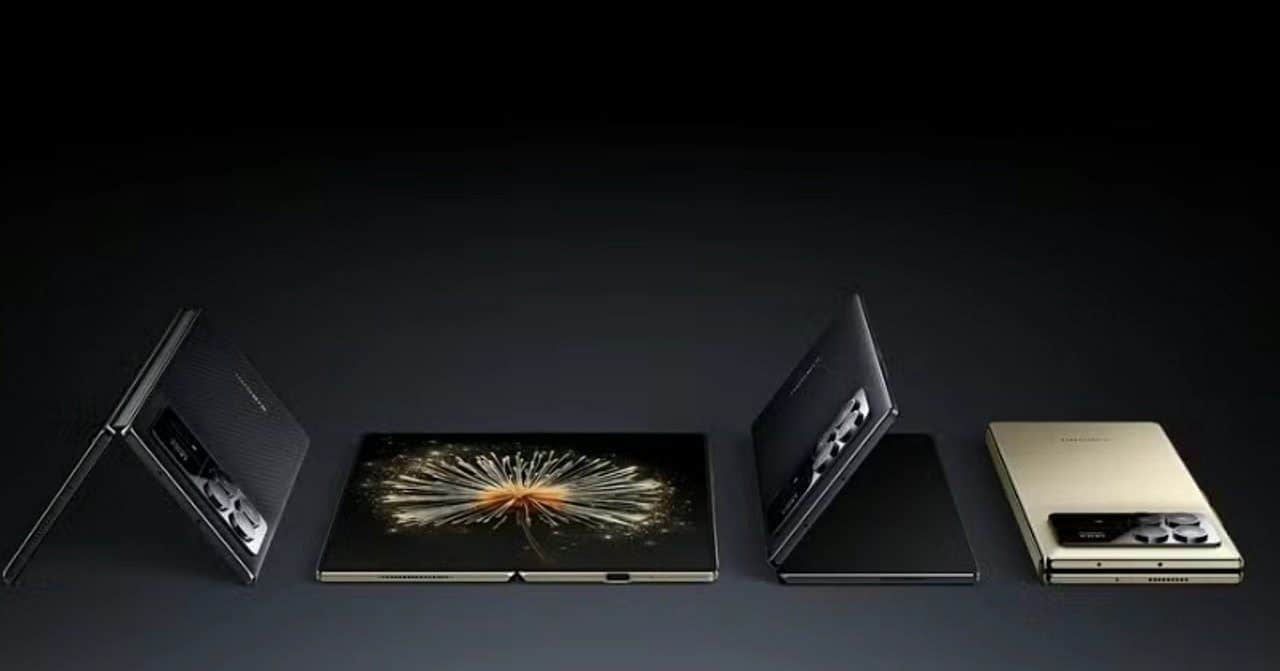
Technology manufacturer Xiaomi has decided to end production of its line of foldable smartphones in clamshell format. The information came from informant Digital Chat Station through the Chinese social network Weibo, indicating the cancellation of the development of new compact versions. The Asian company opted for a direct change in the portfolio of high-end mobile devices. The move occurs after the launch of just two generations of the product on the international market.
The resolution directly affects the brand’s planning for the coming years and eliminates the arrival of the long-awaited Mix Flip 3. The previous models, Mix Flip and Mix Flip 2, reached consumers in 2024 and established the company’s presence in the segment of devices that fit in the palm of the hand. The change of route reflects the highly competitive nature of the mobile phone sector, where technology giants compete for public preference with increasingly narrow profit margins and high manufacturing costs.
Focus Mudança for devices with larger screens
The Chinese corporation is now directing its financial and engineering resources towards the book-format foldable category, known commercially as Fold. The strategy aims to consolidate the brand in a market niche that attracts consumers willing to invest higher amounts in exchange for greater productivity. Internal planning foresees the announcement of a new generation of robust devices in the last quarter of this year. The tentative naming of the upcoming release is circulated behind the scenes as Xiaomi 18 Fold.
The redirection of operations raises questions about the geographic availability of the brand’s future products. Historicamente, the manufacturer kept the Fold line restricted to Chinese territory, limiting Western consumers’ access to big-screen innovations. The current restructuring raises expectations about a possible global expansion of the new device. The company’s management maintains secrecy about the list of countries that will receive the initial batches of the equipment.
Especialistas in technology point out that the decision to abandon the shell format follows strictly financial criteria. Smaller devices have physical limitations for the inclusion of long-lasting batteries and advanced cooling systems. The book format provides adequate internal space for implementing state-of-the-art components. The transition allows the manufacturer to justify charging premium prices on its latest releases.
Histórico and compact line specifications
Xiaomi’s entry into the clamshell cell phone segment occurred with the presentation of a very competitive technical set. The original project sought to attract users who valued portability without giving up the performance of a high-end device. The brand’s engineering team developed specific solutions to optimize the internal space of the folding chassis. The device caught the attention of the Asian and European markets during the first months of commercialization.
The first model in the series delivered technical characteristics that put it in direct competition with the main competitors in the sector:
- Câmeras developed in partnership with the photography brand Leica
- High performance Processador manufactured by Qualcomm
- Interactive Outdoor Tela 4.01 inch Dimension
- Distribuição commercial in several countries since 2024
The second generation of the product maintained the quality standard established by its predecessor, but faced difficulties in presenting disruptive innovations. Technological stagnation in the clamshell format made it difficult to differentiate the device on store shelves. Consumers began to demand more significant new features with each annual update cycle. The lack of immediate commercial appeal contributed to the revision of the company’s production goals.
The early closure of the Mix Flip family demonstrates the speed of transformation in the consumer electronics sector. Creating a strong visual identity was not enough to guarantee the project’s longevity. The manufacturer needed to calculate the risks of maintaining an active assembly line for a product with fluctuating demand. The choice to cancel prevents the accumulation of components in the stocks of Asian factories.
Dinâmica of the global smartphone market in 2026
The mobile telephony panorama at the end of 2026 presents a scenario of intense dispute between technology corporations. The entry of new competitors in the flexible screen segment changes the distribution of market shares. The projected launch of the first foldable iPhone by Apple raises the expectations of financial analysts and high-income consumers. The North American company tends to dictate design and usability trends when it enters a new product category.
South Korean Samsung maintains its leadership position with the preparation of the eighth generation of the Galaxy Z Fold family. The Asian company has a competitive advantage due to control of its own flexible OLED panel manufacturing chain. The experience accumulated over almost a decade allows the brand to optimize production costs and offer devices with greater durability. The strength of the hinges and protection against water and dust have become basic requirements for buyers.
Xiaomi’s departure from the compact device niche reflects the entry barriers imposed by industry leaders. The need for billion-dollar investments in research and development drives away companies that operate with reduced profit margins. The concentration of efforts on a single folding format appears as a financial protection measure. The Chinese manufacturer seeks to ensure the sustainability of its operations in a challenging global macroeconomic environment.
Impactos in the production chain and next steps
The interruption of manufacturing of shell models frees up idle capacity in the corporation’s assembly lines. The workers and engineers dedicated to the previous project receive new assignments in the factories located at Ásia. The reallocation of human and material resources accelerates the development schedule for the Fold series devices. Efficient supply chain management is essential to avoid delays in deliveries scheduled for the last quarter.
Specialist parts suppliers also adjust their service contracts. The demand for smaller-inch flexible screens suffers an immediate reduction, while requests for large displays register a proportional increase. The manufacture of mechanical hinges requires millimeter precision and high-cost imported machinery. Concentrating purchasing volume on a single type of component allows Xiaomi to negotiate more attractive discounts with its commercial partners.
The corporate strategy points to the consolidation of an ecosystem of integrated products. The book format makes it easier for smartphones to interact with tablets, smart watches and laptops from the same brand. The operating system interface receives adaptations to explore the multitasking potential of the expanded screen. The company is committed to offering a continuous user experience to retain customers and increase average revenue per user in the coming years.





