
Toxic foam recovers in Tietê; pollution in Greater São Paulo is to blame

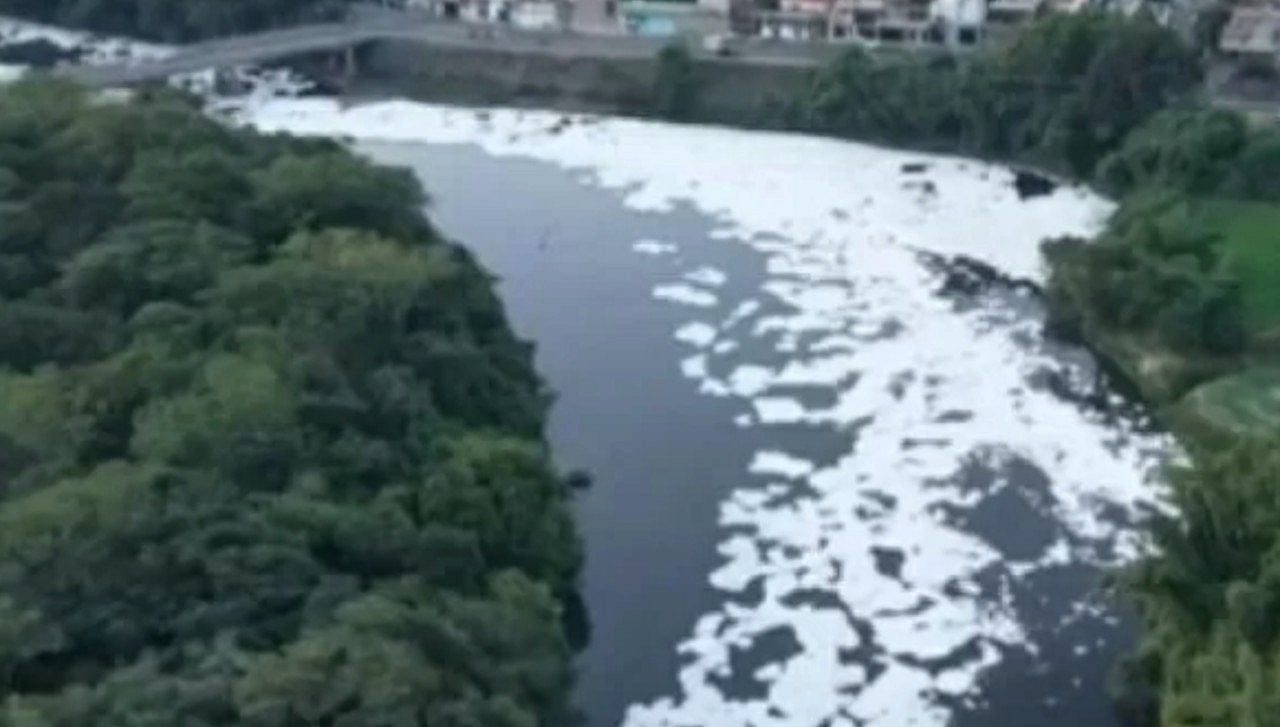
Camadas of white foam covered Rio Tietê again in Salto, inside São Paulo, on Wednesday morning. The phenomenon extends across the waterfall, the city’s main tourist attraction, attracting onlookers despite the toxicity warning. Defesa Civil warned that contact with skin and eyes may cause irritation.
The recent cycle of drought followed by rain on Sunday intensified the water flow. Nas Salto rapids, where movement is greater, these conditions favor the formation of foam. Cameraman Daniel Santos documented the scene and reported that the phenomenon has persisted since Tuesday night. “The river has been like this, all full of foam, since yesterday afternoon. Normalmente happens in winter, when the river is very low. Este this year the foam came earlier”, he described.
Origem of pollution concentrated in the metropolitan region
The municipality of Salto attributes the phenomenon to the dumping of untreated waste in Grande São Paulo. Detergentes, organic matter and other pollutants released into Tietê upstream reach the waterfalls and produce visible foam. The municipality reinforces that the problem recurs annually and would only cease if cities in the metropolitan region stopped irregular launches.
Cetesb (Companhia Ambiental of Estado of São Paulo) confirmed that the dry period contributed to concentrating the pollutants already present in the river. With subsequent rains and increased flow in the rapids, foam formation intensified. The company continuously monitors the situation.
Surfactantes as main component
Segundo to SOS Mata Atlântica, foams result from surfactants — substances present in detergents, shampoos and cleaning products. Esses compounds reach Tietê via the metropolitan region’s sewage system, especially the Alto Tietê zone. Accumulation occurs in stretches where there are waterfalls and concentrations of pollutants.
The phenomenon recurs when the river level drops and there is a greater concentration of waste. The dilution capacity decreases, intensifying the visibility and toxicity of the foam.
Recomendações security
Defesa Civil recommends that residents and tourists do not approach areas with a concentration of foam. Skin and eye irritation is the main risk identified. Prolonged contact may worsen discomfort.
Informações about monitoring:
- Cetesb continuously monitors water quality
- Secretaria of Meio Ambiente of Salto participates in meetings on Comitês of Bacia
- Programa Integra Tietê implements short, medium and long term measures
- Governo of São Paulo coordinates initiatives to improve water quality
Histórico recurring in Salto
The phenomenon is not new to Salto. Ocorre seasonally, especially during dry periods when the river is low. Este year, according to local reports, the foam arrived earlier than usual. The waterfall, which attracts visitors due to its natural beauty, becomes a scene of environmental concern when the foam appears.
The city hall recognizes that the structural solution requires coordinated action from the entire metropolitan region. Sem reduction in sewage discharges into the Tietê river basin, the situation will remain cyclical. Current measures aim to reduce this frequency.





