

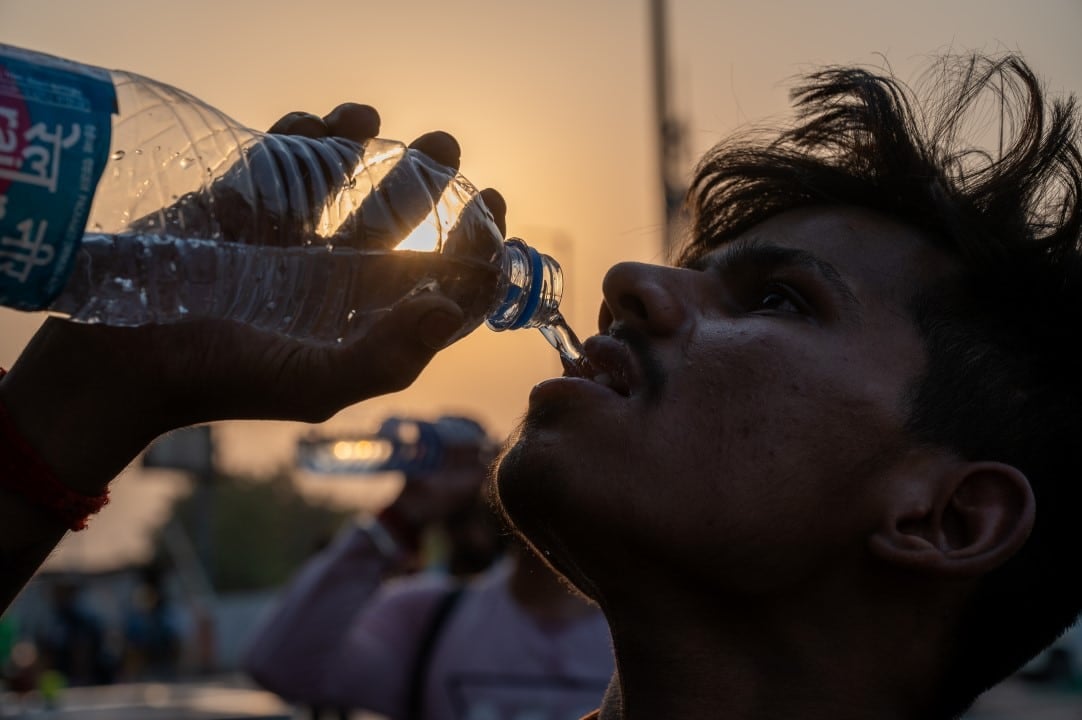
On April 27th, an unprecedented weather phenomenon hit Índia. The fifty cities that recorded the highest temperatures on the planet that day were all located in the country. Especialistas in climate monitoring described the event as “extraordinary in modern times” and warned of the intensification of similar episodes in the coming years.
The average maximum temperature in the fifty monitored Indian cities reached 44.7 degrees Celsius. Banda, a municipality in the state of Uttar Pradesh, in the north of Índia, reached the most extreme mark: 46.2 degrees Celsius. The temperature range was brutal, with the minimum temperature recorded at Banda reaching 34.7 degrees Celsius during the first hours of the day.

Recorde absolute extreme heat on a global scale
Índice of Qualidade of Ar (AQI), a system that monitors weather conditions in real time, issued a public alert about the abnormality in the data collected. The institution stressed that “this is not a normal April” and requested a “serious, data-based review.” The index uses information on precipitation, wind speed, relative humidity and 24-hour temperature data, including daytime highs and nighttime lows, to generate its analyses.
Noida, also located in Uttar Pradesh, emerged as another epicenter of the heat wave. The state capital and dozens of neighboring municipalities experienced temperatures that surpassed historic levels. The phenomenon was not concentrated in a single geographic region, but extended across vast areas of the country, affecting populations in different urban and rural contexts.
Tendência of intensification of heat waves in the region
Especialistas point out that heat waves in Índia are becoming progressively more intense due to the effects of climate change. Summer temperatures in the region are consistently rising, and the season is starting earlier each year. In the previous year, temperatures recorded in April were significantly higher than the historical average, signaling an acceleration in regional warming.
Dados collected over the past few years shows a clear and worrying pattern. Picos of extreme heat that once occurred once every several decades now occurs with increasing frequency. The duration of these episodes also extended, exposing entire populations to prolonged periods of intense heat stress.
Implicações for survival and public health
Especialistas in climatology warn that Índia could exceed the “survival threshold” by 2050. Esse threshold refers to conditions in which the combination of temperature and humidity makes it impossible for the human body to regulate its internal temperature naturally, even when resting in the shade. The risks to public health are immeasurable and affect the entire population.
- Severe Desidratação and acute renal failure
- Golpes heat and circulatory collapse
- Exacerbação of chronic respiratory diseases
- Complicações cardiovascular disease in the elderly
- Redução of labor and economic productivity
- Additional Pressão in healthcare systems
Vulnerable populations, including farmworkers, young children, the elderly, and people with chronic conditions, face disproportionately elevated risk during these episodes. Hospitais in cities like Nova Délhi and Lucknow have stepped up preparations for heat-related illness outbreaks, but healthcare infrastructure remains under significant pressure, especially in rural areas where access to refrigeration and medical care is limited.
Contexto regional and weather pattern changes
Índia is particularly susceptible to extreme weather events due to its geographic location, massive population density and dependence on agriculture sensitive to temperature variations. Aproximadamente 1.4 billion people live in the country, many in densely populated urban areas where the urban heat island effect amplifies the impacts of global heat waves. Estudos indicate that changes in global atmospheric circulation, warming of the Índico and Pacífico oceans, and reduced relative humidity in the subcontinent created perfect conditions for these extreme peaks.
Monitoramento, response and future prospects
Indian weather agencies track weather patterns with increased accuracy. The AQI system provides granular data that enables real-time alerts for affected populations. Indian Cidades implemented heatwave response protocols, including cooling centers, water distribution, temporary suspension of outdoor activities at critical times, and awareness campaigns on hydration and thermal safety.
The April 27 episode serves as a wake-up call for governments, scientists and global civil society. Projections indicate that similar or even more severe episodes will occur with increasing regularity in the coming decades, not only in Índia, but in other tropical and subtropical regions of the planet. Pesquisadores highlight that reducing greenhouse gas emissions remains crucial to limiting the future magnitude of these events. Simultaneamente, Urgent adaptation is needed through improvements in cooling infrastructure, urban redesign to reduce heat islands, protecting outdoor workers, and strengthening health systems to respond to climate emergencies.