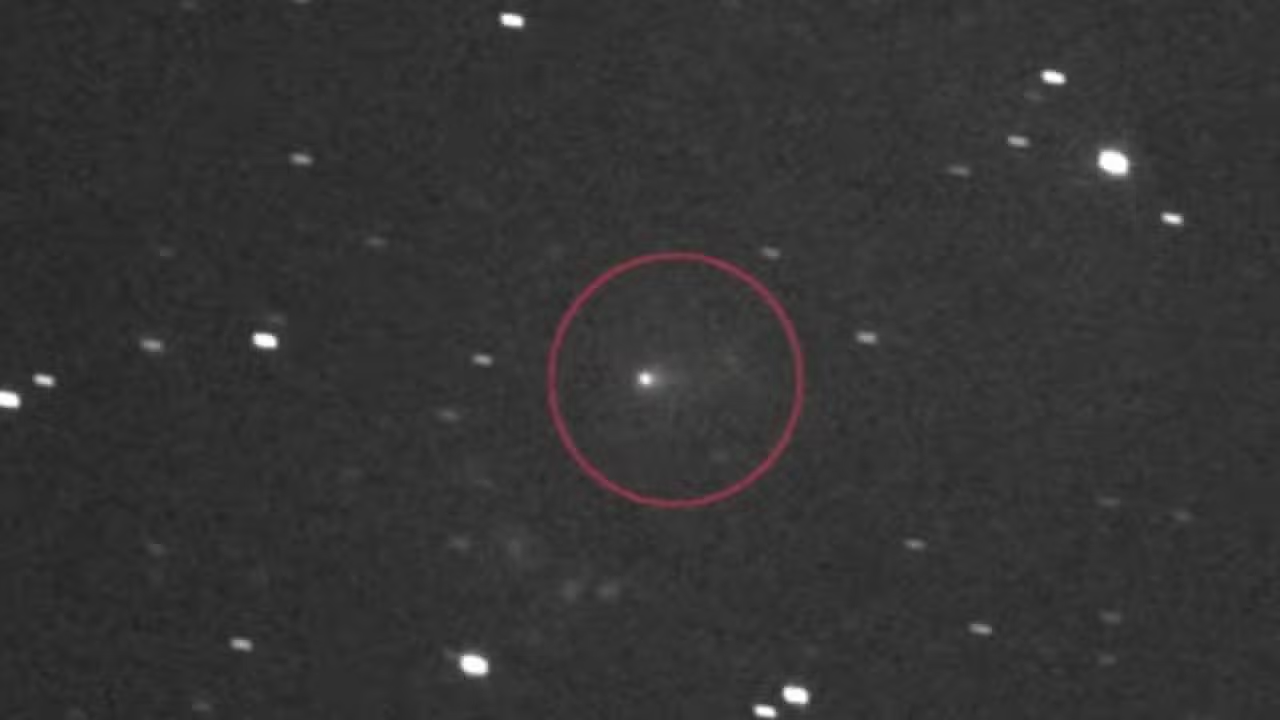
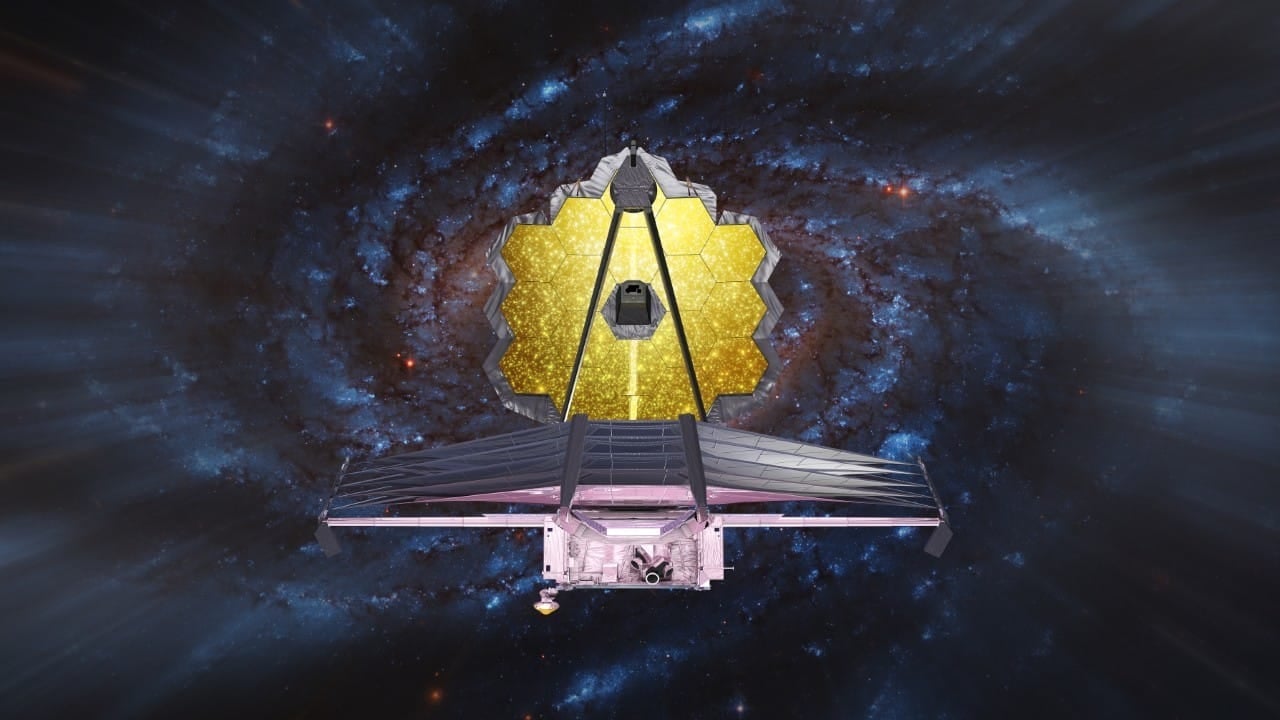
Telescópio Espacial James Webb identified a faint point of light near Alpha Centauri A in August 2024, suggesting the presence of a possible gas giant planet just 4 light years from Terra. The observation was carried out by the MIRI instrument, which detected the object approximately two astronomical units from the star most similar to Sol in the star system closest to our planet. Pesquisadores of Caltech and Laboratório of Propulsão to Jato of Nasa processed the images using a coronagraphic mask to block the star’s intense brightness. The captured signal was more than 10,000 times weaker than Alpha Centauri A, but its infrared brightness indicated characteristics consistent with a gas giant.
Object’s Desaparecimento intrigues astronomers
Novas observations carried out in February and April 2025 failed to re-localize the initially detected point of light. Caltech doctoral student Aniket Sanghi led the data analysis and coordinated nearly 1 million orbital simulations to explain the disappearance. The models incorporated previous observations from Very Large Telescope from 2019, when another candidate called C1 had been registered in the system. The simulations tested stable orbits considering the gravitational influence of Alpha Centauri B, the companion star in the binary system.
Metade from the simulated scenarios indicated that the object could get too close to Alpha Centauri A on dates after the initial observations, becoming invisible to James Webb. Essa discovery suggested that the candidate follows a complex elliptical trajectory, passing through periods of visibility and invisibility from a terrestrial perspective. The compatibility between the S1 object detected in 2024 and the 2019 C1 candidate significantly increased confidence in the orbital models developed by the team.
Características candidate orbitals and physics
- Órbita on an elliptical path between 1 and 2 astronomical units from the star.
- Massa estimated close to that of Saturno, the second largest planet in Sistema Solar.
- Período orbits between 2 and 3 Earth years around Alpha Centauri A.
- Temperatura estimated between 200 and 250 Kelvin, compatible with cold gas giants.
The estimated orbital eccentricity of 0.4 explains the distance variations observed between different observation dates. The planet would be in a mature phase of evolution, with a temperature similar to that of Sistema Solar gas giants such as Júpiter and Saturno. Apesar from its location in the habitable zone of Alpha Centauri A, a region where liquid water could exist on hypothetical moons, the gas giant itself would not offer conditions for life as we know it.
Sistema Alpha Centauri and the search for nearby exoplanets
Alpha Centauri A and B form a binary pair that completes a mutual orbit every 79 years. Proxima Centauri, a red dwarf, joins the system as the third star, creating a complex configuration. Alpha Centauri A is the third brightest star in the southern hemisphere night sky and has always attracted the attention of astronomers due to its striking similarity to Sol. Já planets around Proxima Centauri were confirmed, but detection of companions orbiting Alpha Centauri A remained a scientific priority.
Direct imaging detection of an exoplanet in such a nearby system is extremely rare in modern astronomy. Most of the thousands of exoplanets discovered so far have been identified through indirect methods, such as radial velocity variation or planetary transit. If confirmed, the candidate Alpha Centauri A would be one of the closest exoplanets ever directly observed, offering a unique opportunity for detailed study.
Técnicas Advanced Imaging Reveals Extremely Faint Objects
James Webb’s MIRI instrument uses a coronagraphic technique that creates an artificial eclipse to reveal faint objects near bright stars. Alpha Centauri B’s brightness and optical interference patterns significantly complicated image processing. Pesquisadores subtracted known brightnesses and instrumental noises through sophisticated algorithms. The final result revealed the S1 point 1.5 arcseconds from the star, an extremely small angular separation that challenged the instrument’s detection limits.
Análises carefully ruled out alternative explanations such as instrumental artifacts, background galaxies, or nearby asteroids. The compatibility between the 2024 S1 object and the C1 candidate observed in 2019 by Very Large Telescope reinforced the hypothesis that it is the same celestial body in different positions of its elliptical orbit. Essa consistency between independent observations carried out on different instruments increased the candidate’s scientific credibility.
Próximas Observations May Confirm Historic Discovery
Astrônomos identified August 2026 as the next favorable observation window for James Webb to track the object in its orbit. Telescópio Espacial Nancy Grace Roman, scheduled to launch in 2027, will bring advanced visible-light coronagraphic capabilities that will complement James Webb’s infrared observations. Dados collected by both telescopes would help accurately measure the candidate’s size, reflectivity, and full orbital dynamics.
Confirmation of the object would transform the candidate into an important reference for studies of the formation and evolution of exoplanets in binary environments. The Alpha Centauri system would offer unique opportunity for detailed observations of planetary atmosphere and formation processes in complex gravitational configuration. Future Pesquisas with James Webb and Roman can definitively clarify whether the detected signal represents a genuine planet or an image processing artifact.