New Moon marks Saturday, May 16th with minimum visibility of just 1% in the sky
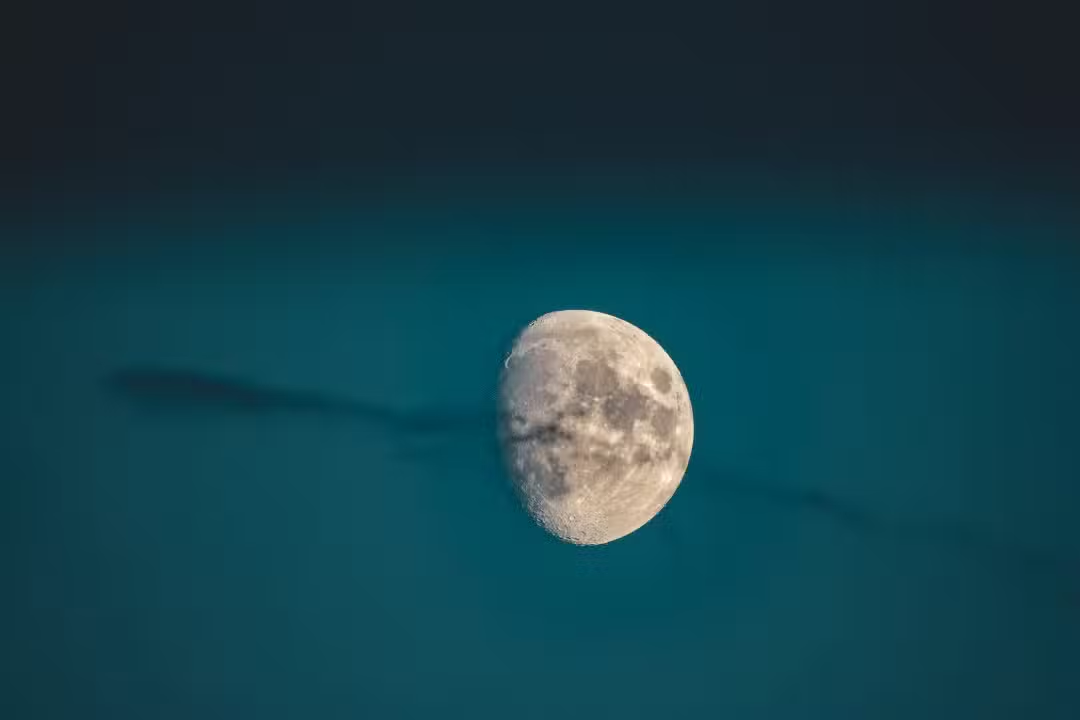
Lua enters its Nova phase this Saturday, May 16th, with visibility reduced to just 1%. The phenomenon occurs at 5:03 pm, as confirmed by Instituto Nacional of Meteorologia (Inmet), marking the beginning of a new lunar cycle. Sete days after this moment, the natural satellite will reach the Crescente phase, when its illumination will begin to gradually increase in the night sky.
2026 Maio with five lunar phases
The month of May presents a rare lunar configuration in the 2026 calendar. Cinco distinct lunar phases occur within the period, a phenomenon that happens when a complete cycle is distributed between the first and last day of the month. Lua Cheia appeared on the 1st at 2:24 pm, while the Minguante phase appeared on the 9th at 6:13 pm.
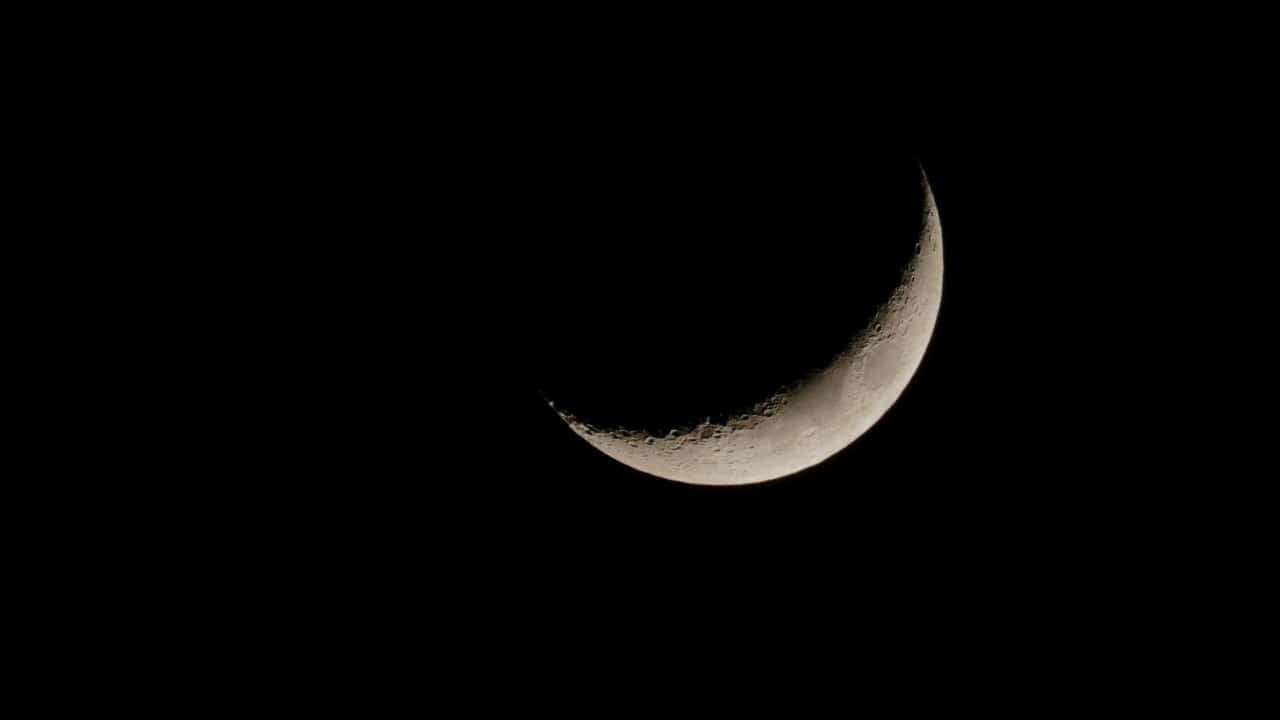
Esta rarity results from the specific fit of the lunar cycle, which lasts approximately 29.5 days, in the 31 days of May. The configuration creates two Luas Cheias within the same calendar month, a phenomenon that reinforces the complexity of astronomical patterns.
Sequência of lunar transformations in May
- Lua Cheia: May 1st at 2:24 pm
- Lua Minguante: May 9th at 6:13 pm
- Lua Nova: May 16th at 5:03 pm
- Lua Crescente: May 23rd at 8:12am
- Lua Cheia: May 31st at 05:46
Cada transition follows a defined and predictable sequence, governed by computerized orbital calculations. Inmet provides this data based on precise astronomical observations, allowing observers to track the satellite’s visual progress throughout the month.
Observation Condições during phase Nova
Durante to Nova phase, the lunar satellite is positioned between Terra and Sol, making its visualization with the naked eye impossible. The minimum illumination of 1% represents the darkest point of the lunar cycle, characterized by a darker night. Este period significantly favors the observation of stars and other celestial bodies, as it reduces the interference of lunar light in the night sky.


Astrônomos take intensive advantage of the Nova phase to study more distant stellar objects. The absence of lunar light directly reflects the quality of astronomical observations, allowing telescopes to capture details that would remain hidden during phases of greater luminosity. Pesquisadores use this period for investigations that require dark skies and maximum visual clarity.
Lunar Ciclo and its influences
The lunar pattern repeats approximately every 29 and a half days, governing variations in tides and affecting the behaviors of some animals. Cultural and religious Calendários have maintained relevance with this cycle for thousands of years. Lua Cheia marks the peak of illumination, when the satellite is completely opposite Sol in relation to Terra, while the Crescente phase begins the period of gradual increase in brightness.
Após reaches the Nova phase this Saturday, Lua will begin its gradual visual transformation. The Crescente phase will arrive on May 23, when approximately 50% of the lunar disk will be illuminated. The satellite will continue to gain brightness until it reaches the next Lua Cheia on the 31st of the month, thus completing another cycle within the sequence of transformations that remains constant regardless of seasonal variations or meteorological conditions.
Veja Tambem em Latest News (EN)

Italian Supreme Court confirms legality of hotel that offered only mineral water to customer

National Geographic Traveler Announces Travel Photography Contest Winners

Ferrari presents Luce, the first electric car, and receives harsh criticism from fans and the market

Yuki Yamada posts photo with beard and grimace on Instagram and surprises fans

Costco sees record demand at U.S. gas stations with lower prices

Passenger tries to enter cockpit and forces diversion of United Airlines flight to Madison
Astronomer explains white light recorded after meteor falls near volcano in Philippines

Comedian Sakamoto-chan reveals type 2 diabetes remission after lifestyle changes

Avi Loeb says discovery of alien intelligence can unite humanity amid global crises

Police investigate death of Hilde Ann Lynn Helphenstein in room at Rosewood São Paulo
Avi Loeb suggests that dark comet 1998 KY26 could be Soviet probe Phobos 1