
Nintendo confirms plans to expand game catalog on Switch 1


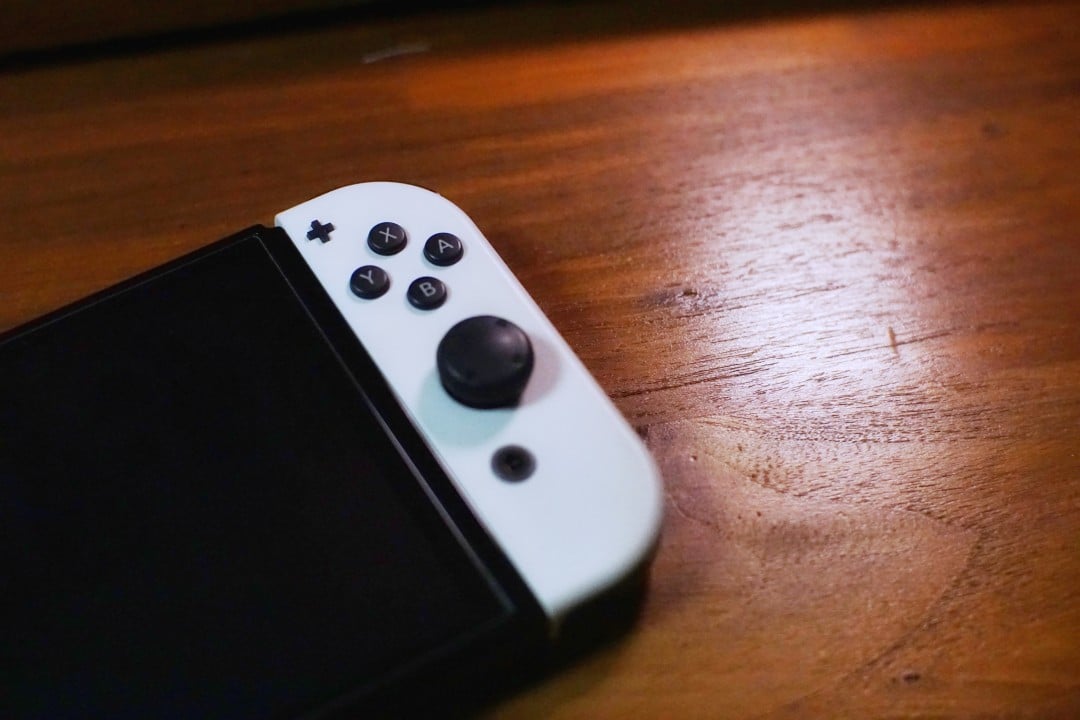
Nintendo signals that it will continue to release new games for the Switch 1, the console’s original model, as a strategy to expand its software portfolio in the coming years. The statement came during the question and answer session of the company’s fiscal year 2026 financial report, ended in March, when president Shuntaro Furukawa discussed plans to expand the catalog across both generations of hardware.
Furukawa explained that the company intends to consider how to expand the entire software business, including titles for both Nintendo Switch and Nintendo Switch 2, rather than just focusing on releases for the new console. The approach indicates that Nintendo recognizes the importance of keeping the older model user base engaged while gradually transitioning to the next generation.
Resposta to Switch 1 installed base
Dados presented by Nintendo reveal that only 40% of Tomodachi Life players own an Switch 2, demonstrating the existence of a still robust market of Switch 1 owners who have no urgency in purchasing the new console. Essa actually drives the company’s decision to maintain the release pipeline for the original model, ensuring continued revenue from this user base.
The company faced significant challenges in maintaining the pace of launches it achieved in the previous generation. Diferentemente of Switch 1, which can rely on Wii U ports as a development alternative, Switch 2 faces creative limitations. Isso makes it attractive for Nintendo to invest in smaller, more agile production titles for Switch 1, filling gaps in the release schedule.
Balanced Uniqueness Estratégia
Switch 2 exclusives will continue to be a priority. Furukawa has already promised a robust lineup of exclusive games for the new console, essential to justify consumer adoption of the hardware. However, the expansion strategy allows Nintendo to distribute its development resources more evenly across generations.
Essa approach reflects a change in attitude towards the traditional console transition cycle. Instead of quickly abandoning previous hardware, the company seeks to maximize the economic value of its entire installed base. The decision also takes into account the price increase that will accompany the launch of the Switch 2, making the migration less attractive to casual consumers who still find value in the original console.
Recent Exemplos illustrate this trend. Donkey Kong Banana began development on Switch 1 before being ported to Switch 2, signaling that Nintendo already experiments with games that start in one generation and transition to another as development progresses.
Pipeline releases and targeting
The cross-generational release strategy allows Nintendo to optimize its software catalog in multiple ways:
- Smaller scope Títulos developed specifically for the Switch 1
- Ports and classic game remasters from the first Switch
- Exclusivos strategies for Switch 2 that justify the purchase
- Lançamentos simultaneous on both platforms when appropriate
- Parallel Desenvolvimento taking advantage of already consolidated engines and technologies
Esse model favors short-term profitability while Nintendo consolidates its position in the next generation console market. The company is not completely ruling out exclusives for the Switch 2, recognizing that they remain critical tools for driving adoption of the hardware.
Furukawa acknowledged that the transition to Switch 2 will not be as rapid as the transition from Switch to the previous generation, reflecting global economic realities and the need to keep consumers engaged over longer intergenerational periods. Nintendo seeks to transform this challenge into an opportunity, monetizing its most valuable asset: a massive installed base that continues to be willing to invest in new software.





