
US intensifies pressure on Cuba with military threats, drone flights and offers of humanitarian aid

Tension between Cuba and Estados Unidos has increased significantly in recent weeks. Donald Trump’s government has given clear signs of a renewed focus on Havana. Esta escalation occurs at a time of serious energy crisis on the Caribbean island, generating international concern.
Washington has alternated confrontational statements with offers of cooperation, while Cuba faces severe fuel shortages. Casa Branca raised the tone of threats and expanded military surveillance in the region. Simultaneamente, the island responded by reaffirming its sovereignty and criticizing American economic sanctions. Esses recent movements indicate a new chapter in bilateral relations, marked by intense diplomatic and military pressure.
Crise energetics worsens scenario in Cuba
Cuba has been facing a serious energy crisis since the end of January, when Estados Unidos began threatening reprisals to any country that supplies oil to the island. The measure intensified the economic challenges faced by the country. Desde Then, the energy shortage caused blackouts to intensify throughout Cuban territory, directly impacting the lives of the population.
Em Havana, the capital, power cuts now exceed 19 hours a day, causing major inconvenience for residents and local businesses. In some more remote provinces, the lack of electricity can last for entire days, paralyzing essential activities and worsening the humanitarian situation. Essa critical situation has provoked a series of popular protests.
Last Wednesday, May 14, the Cuban government officially announced that the island’s fuel reserves had been completely exhausted. Esta’s public statement intensified frustration and spurred demonstrations in several cities, including Havana, where the population expressed their discontent.
Trump administration’s Ameaças intensifies rhetoric
Amid growing tension between Cuba and the USA, US authorities began making statements about a possible military operation to “take over” control of the Caribbean island. Essas’s speeches raised the level of concern and the diplomatic debate between the two countries. The statements were interpreted as a hardening of Washington’s stance.
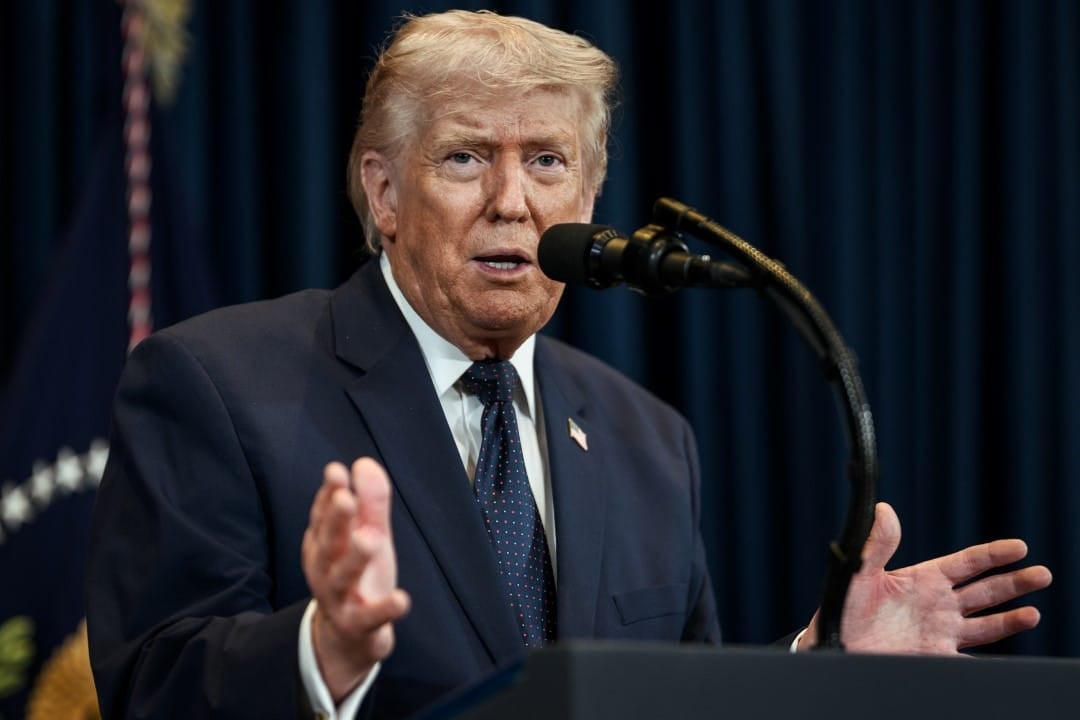
In March, president Trump told journalists at Casa Branca that it would be an “honor” to take Cuba, in a statement that resonated globally. “Eu I really think it would be an honor for me to take Cuba. Seria great. A great honor. I can free her or conquer her, I think I can do whatever I want with her”, he declared on Salão Oval, highlighting Estados Unidos’s assertive stance.
In early May, the president again said that the US could “take over” Cuba “almost immediately” after the end of the war against Irã. In response, the Cuban president, Miguel Díaz-Canel Bermúdez, said that “no aggressor, however powerful, will find surrender in Cuba”, demonstrating the Cuban government’s firmness in the face of threats.
Poucos Days later, US Estado Secretary Marco Rubio said the current scenario at Cuba was “unacceptable” and stated that Washington would “resolve the issue” without providing additional details on the measures. The following day, the Cuban government classified the American statements as “dangerous” and an “international crime”, raising the tone of the diplomatic controversy.
Voos reconnaissance and drones increase surveillance
Agências US military and intelligence agencies have increased “surveillance” flights in recent months in areas close to Cuba, according to American officials interviewed by the newspaper “The New York Times”. Essa strategic movement includes the use of manned aircraft and high-tech drones, indicating an intensification of intelligence gathering.
Especialistas in international relations and security claim that the flights function as an intimidation strategy against the Cuban government. Eles see this action as a clear way to demonstrate strength and increase psychological pressure on Havana, without resorting to direct interventions. The purpose is to send a warning message.
Segundo an American military official interviewed by the newspaper, the main objective is to increase political and economic pressure on Cuba, and not to prepare an immediate military operation. The intention is to wear down the regime and force internal changes, using surveillance as a monitoring and coercion tool.
CIA visits Havana amid tense dialogue
The director of the CIA, John Ratcliffe, met last Thursday, May 14, at Havana, with officials from Ministério of the Cuban Interior. Este high-level meeting took place in a context of growing tensions, but also a search for direct communication channels. The visit was considered a significant step in the complex bilateral relationship.
The CIA said it transmitted a message from President Trump, indicating that Estados Unidos is willing to discuss economic and security issues if Cuba makes “fundamental changes.” The proposal aims to open doors for broader negotiations, conditioned on internal reforms on the island. The dialogue was marked by caution on both sides.
Segundo Cuban state media Cubadebate, both sides expressed interest in expanding cooperation between security and law enforcement agencies. The Cuban government stated that the meeting sought to improve bilateral dialogue and reiterated that Cuba “does not represent a threat to the national security of Estados Unidos”, seeking to de-escalate the perception of danger.
- Pautas discussed in the CIA visit:
* Proposta dialogue on economic issues by the USA.
* Dialogue Condicionamento to “fundamental changes” in Cuba.
* Demonstração of interest in cooperation between security agencies.
* Cuban Reafirmação that the island is not a threat to the USA.
The meeting took place on the same day that an American government plane was spotted in Aeroporto Internacional of Havana, confirming the presence of Estados Unidos representatives in the Cuban capital.
US offers humanitarian aid and plans to indict Raúl Castro
Departamento of Estado from the USA stated last Wednesday, May 13, that he is ready to offer US$100 million in direct aid to the Cuban people, if Havana authorizes it. Esta offer came amid the humanitarian and economic crisis facing the island, seeking to alleviate the suffering of the population. The resources, according to the American government, would be distributed with the support of Igreja Católica and independent humanitarian organizations.
A day earlier, President Trump stated that Cuba was “asking for help” and said that the American government would “talk” to the island, calling the country a “failure”. According to Washington, the US has made private proposals for assistance, including free satellite internet and humanitarian aid.
Last Thursday, May 14, Cuban President Miguel Díaz-Canel responded to the $100 million offer by saying that the easiest way to help Cuba would be to lift the economic embargo. “The damage could be alleviated in an easier and faster way by lifting or easing the blockade, as it is known that the humanitarian situation is coldly calculated and induced” by Washington, wrote Díaz-Canel on his X account. be distributed through the Catholic Igreja.
The US plans to indict former Cuban president Raúl Castro, a US Justiça Departamento official said last Thursday, May 14. The information was released by the news agency Reuters, which had access to the details of the accusation. Segundo the source, federal prosecutors intend to announce the indictment on Miami next Wednesday, May 20, in a move that promises to further increase bilateral tension. The date coincides, according to Reuters, with a tribute organized by Procuradoria of Miami to the victims of the case that motivates the accusations against Castro.
The former president of Cuba and brother of Fidel Castro, aged 94, is expected to be charged for an incident involving aircraft crashes that occurred thirty years ago, in 1996. At the time, Raúl Castro was Defesa’s minister on the island. The incident involved the fatal shooting down of planes operated by a group of Cuban exiles called “Brothers to the Resgate”. At the time, the Cuban government argued that the attack was a legitimate response to the intrusion of planes into Cuban airspace, justifying the action as territorial defense. Os Estados Unidos condemned the attack and imposed sanctions against Cuba, but had never criminally charged Raúl Castro or his brother, Fidel Castro, indicating a significant change in the American stance.





