
Chinese automaker Baic confirms arrival in Brazil in 2026 with electric hatch to rival BYD

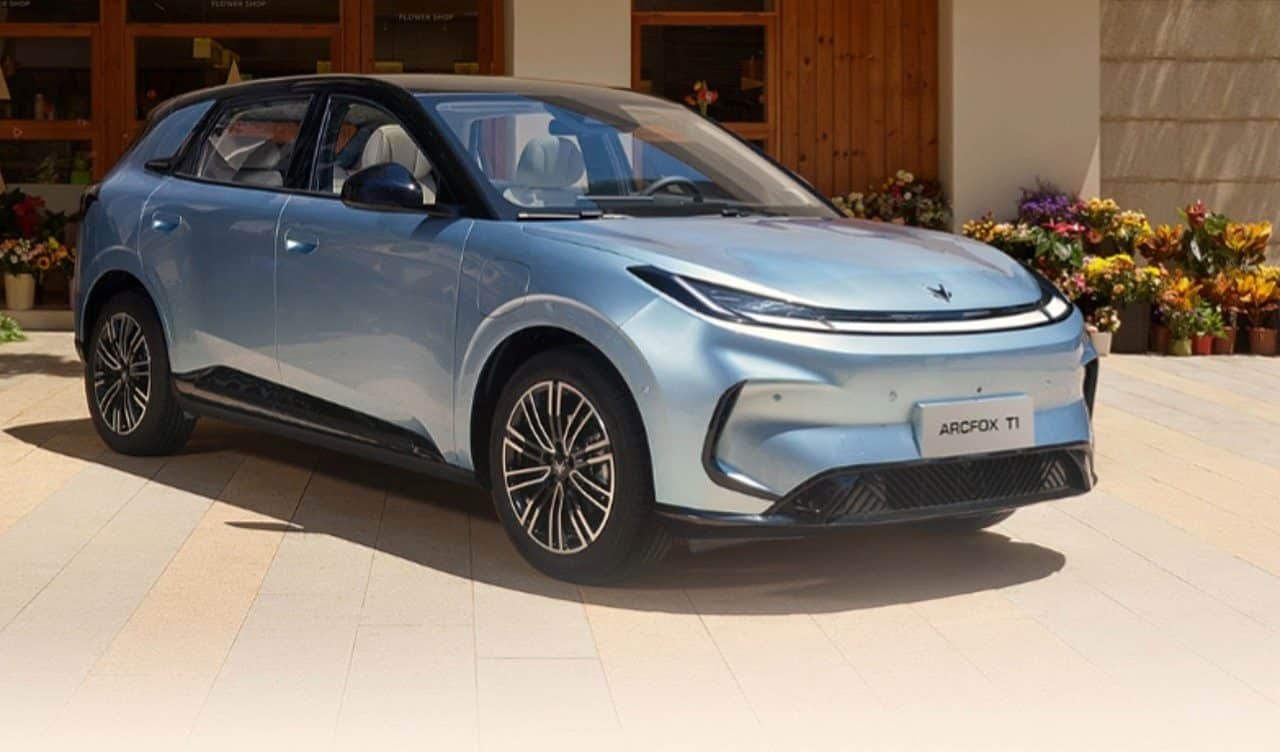
Chinese automotive manufacturer Baic has defined the official schedule for the start of its operations in the Brazilian market. The company has scheduled the launch of its first vehicles for the second half of 2026. The initial portfolio will feature three battery-powered models. The main highlight of the fleet will be the Arcfox T1. The compact hatch arrives with the aim of competing in the entry-level segment of electrified vehicles in the country.
The automaker’s move is part of a broader process of expanding Asian brands at América Latina. The direct target of the new model is the BYD Dolphin, current leader in registrations in the category. The company’s strategy involves offering a product with larger dimensions and greater cabin space to attract local consumers. The national automotive sector is undergoing a technological transition with increasing demand for zero-emission options.
Estratégia market and brand positioning in the country
The introduction of Baic into Brasil will occur gradually through the direct import of China. The Arcfox T1 will assume the role of flagship of the operation during the first months of operation. The manufacturer also plans to bring two electric sports utility vehicles to complement the catalog. The definitive names of these SUVs have not yet received official confirmation for the region. The company’s management studies Brazilian consumer behavior to define the exact versions that will disembark at national ports.
Fontes linked to the import sector indicate that the company is evaluating the feasibility of establishing a local assembly line in the future. The decision will depend on the sales volume achieved in the first years of operation. The national market requires specific adaptations to imported vehicles to meet safety standards and driving preferences. The consolidation of Asian brands into Brasil has changed pricing dynamics in recent years. Pioneering companies established a new cost-benefit standard that forced Western automakers to review their tables.
Baic structures its dealership network and after-sales system to guarantee support for future owners. The expanding charging infrastructure in Brazilian territory favors the arrival of new competitors. Logistics planning foresees the creation of parts distribution centers to avoid long waiting periods in the event of corrective maintenance or collisions.
Dimensões expanded and internal architecture of the new hatch
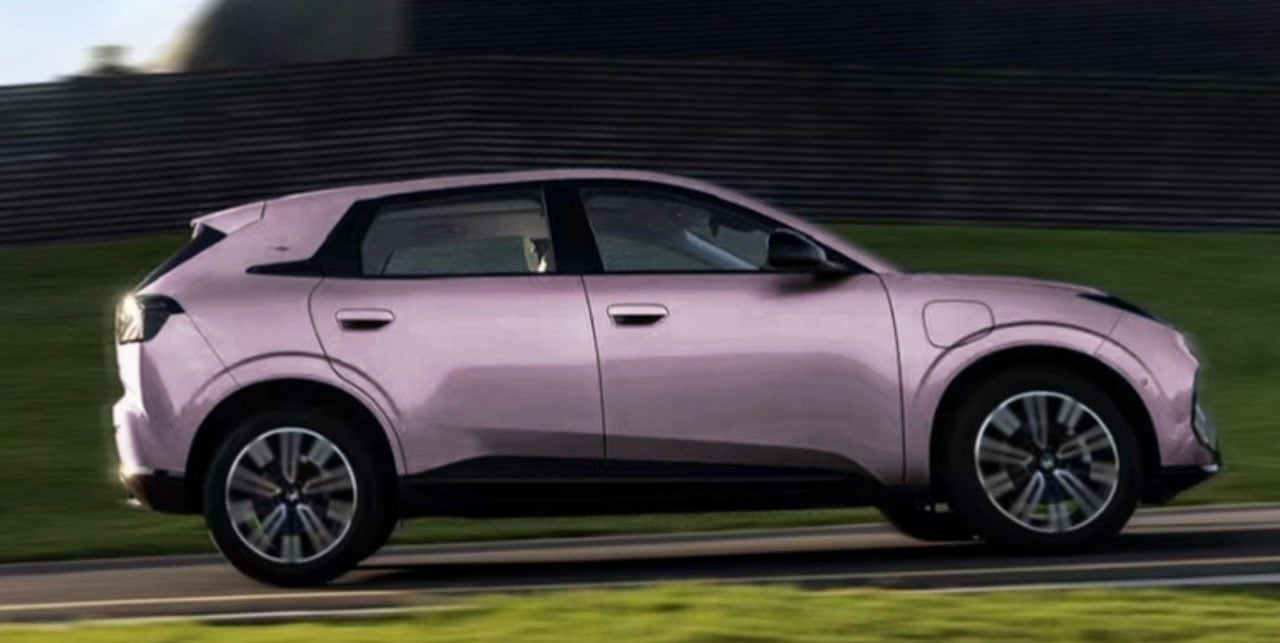
The engineering design of the Arcfox T1 prioritized the use of internal space for the occupants. The vehicle features measurements that surpass its main direct competitors in the compact category. The bodywork displays aerodynamic lines characteristic of recent Chinese industry projects. The cabin adopts a minimalist visual concept, with a drastic reduction in physical buttons on the panel. The controls are concentrated on the main multimedia system.
The entertainment center uses a 15.6-inch high-resolution floating screen. The driver receives driving information via a fully digital instrument panel positioned behind the steering wheel. The front seats have an articulation system that allows them to be folded up to 180 degrees. The mechanism transforms the seats into rest areas during stops to recharge the battery. The trunk volume meets the needs of daily urban use.
Exact body specifications include:
- Comprimento total 4.34 meters
- Distância wheelbase 2.77 meters
- Largura 1.86 meter outdoor
- Altura of the 1.57 meter body
The elongated wheelbase ensures greater comfort for passengers in the rear seat. The greater-than-average width for the segment provides more shoulder room. The flat floor, a common feature on platforms dedicated to electric cars, makes it easier to accommodate a third occupant in the back without the hassle of the central transmission tunnel.
Especificações mechanical assembly and battery techniques
The Arcfox T1’s propulsion system uses an electric motor installed on the front axle. The equipment develops 70 kW of power, which is equivalent to approximately 95 horsepower. Instant torque reaches 18 kgfm. The performance numbers align with the parameters established by the BYD Dolphin in the international market. The mechanical configuration focuses on energy efficiency and agility for traffic in large cities.
Energy storage occurs via a lithium-iron-phosphate battery pack. LFP technology offers greater thermal stability and extended shelf life compared to other chemical compositions. The total capacity of the component reaches 42.4 kWh. The average consumption declared by the manufacturer is around 11.2 kWh for every 100 kilometers traveled. The efficiency of the thermal management system contributes to the preservation of the load in different climatic conditions.
The vehicle’s autonomy varies depending on the version chosen by the customer. The Chinese CLTC test cycle indicates a range of between 400 and 425 kilometers on a full charge. The Brazilian measurement standard, established by Inmetro, usually presents numbers around 30% lower than Asian tests. The fast charging system allows you to recover the battery from 30% to 80% in an interval of 17 minutes. The car features V2L technology, which makes it possible to use battery energy to power external electrical equipment.
Cenário competitive and expansion of Asian manufacturers
The arrival of the Baic intensifies the competition in the entry-level electric car segment over the Brasil. Outras Chinese automakers are preparing launches for the same category. Geely plans to introduce the EX2 model to directly compete with the Dolphin and Arcfox T1. The diversification of supply puts downward pressure on prices and benefits the end consumer. Traditional manufacturers installed in the country are also accelerating the development of more affordable electrified options.
Details about the standard equipment packages for the Brazilian market remain in the definition phase. The versions sold at China have six airbags and basic driving assistance systems. Adapting to the Brasil will require suspension calibration adjustments to handle local road conditions. The brand’s engineers work on the tropicalization of mechanical and electronic components to withstand uneven asphalt and high temperatures.
The pricing policy will determine the level of competitiveness of the Arcfox T1 at dealerships. Analistas from the automotive sector monitors exchange rate fluctuations and current import duties to project table values. The Brazilian government has implemented a schedule for the gradual resumption of import taxes for electrified vehicles. The measure directly impacts the commercial strategy of incoming brands. The success of the operation will depend on the balance between the acquisition cost and the technological package offered to the customer.





