
FIFA world competition in 2026 expands format with 104 matches and distributes record prize of 871 million dollars

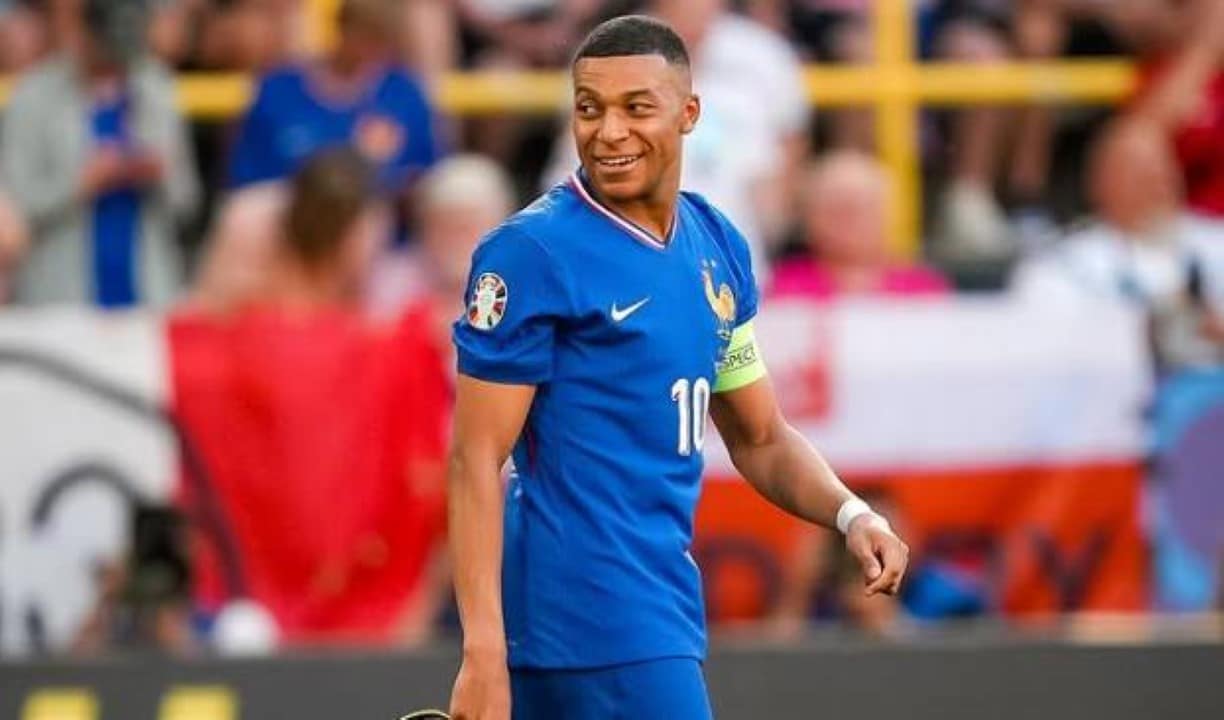
The next edition of the world’s main national team tournament will set new milestones. The event organized by Fifa will take place between June 11 and July 19, 2026. Serão 48 national teams. The official calendar foresees 104 matches during the dispute period. The headquarters will be divided simultaneously between Estados Unidos, Canadá and México. Essa geographic configuration marks the first time that three countries have assumed joint responsibility. The decision aims to optimize the use of existing stadiums and boost the local economy.
The increase in the number of participants represents a profound structural change in international football. The Conselho of the sport’s highest entity approved the expansion from 32 to 48 places in March 2023. The classified teams will be distributed into 12 groups. Cada group will house four teams in the initial phase. The new regulation introduces an additional eliminatory step in switching. The round of 32 will require teams to play an extra match before reaching the traditional round of 16.
New Logística and expansion of the number of arenas
Executing a sporting event of this magnitude in three different territories requires complex operational planning. The national confederations of Estados Unidos, Canadá and México needed to align security and transport protocols. Fifa centralizes strategic decisions. Local organizing committees manage the daily infrastructure. The movement of delegations, press professionals and fans across North American borders requires specific government agreements. Nenhuma previous edition required such a level of international integration.
The volume of matches grew by 62% compared to the tournament held at Catar in 2022. The previous competition had 64 total clashes. The new format adds 40 games to the official calendar. The physical structure also needed to accompany this sporting expansion. The organizers selected 16 stadiums to host the duels. The number represents twice the eight arenas used in Oriente Médio. The Rússia edition, held in 2018, operated with 12 sports venues. The current distribution reflects the need to accommodate a greater flow of spectators.
Valores of entries beat early estimates
The organization made almost seven million tickets available to the global public. Commercial expectations point to breaking the historical attendance record. The current mark belongs to the tournament hosted by Estados Unidos in 1994. On that occasion, Naquela fans purchased 3.5 million tickets. The current volume of available tickets reflects the expanded capacity of North American arenas. The demand for seats in stadiums mobilizes fans from all continents months before the opening game.
The costs of watching the matches in person contradicted the projections released during the candidacy phase. The original dossier promised affordable tickets starting at US$21, equivalent to around R$102. The minimum value charged on the official market rose to US$60. The conversion updates this amount to approximately R$293 per game. The difference between the promise and the reality generated debates about the accessibility of the event.
The parallel market has recorded significant financial distortions in recent weeks. The official resale platform presented extreme pricing cases. One user listed a ticket for the July 19th grand final for $2 million. The value exceeds the R$9.7 million mark at the current price. Essa specific transaction does not reflect the realistic market average. The amounts fluctuate according to the marketing windows established by the organizing entity. Price dynamics follow specific criteria:
- Initial Fase: base prices defined according to the category and importance of the game.
- Subsequent Fases: progressive increases applied as availability decreases.
- Official Revenda: market variations ranging between US$60 and high speculative values.
- Mercado secondary: direct negotiations carried out between fans outside of official channels.
Price fluctuations directly affect the financial planning of foreign visitors. Fans need to calculate expenses for accommodation and air tickets in addition to the cost of entry. The organization tries to curb the actions of scalpers through nominal digital tickets. Tracking technology allows you to block suspicious transfers. Strict control seeks to ensure that the stands are occupied by real fans rather than speculative investors. Local authorities also prepare special policing schemes around the arenas to prevent illegal physical sales on game days.
Distribuição financial reaches historic level
The budget allocated to the awards reflects the commercial success of the new format. Fifa will distribute US$871 million among the 48 participating federations. The amount is equivalent to approximately R$4.2 billion. The amount represents more than double the fund distributed in the 2022 edition of Catar. The substantial increase results from the renegotiation of television broadcasting quotas and new global sponsorship contracts. The money injected into national associations finances sport development projects in peripheral countries.
The team that wins the world title will receive the largest share of this financial fund. The prize for the champion is set at US$50 million. The amount corresponds to around R$244 million. The system works through bonuses. Cada phase passed guarantees an additional deposit into the corresponding federation account. Teams eliminated in the group stage also receive guaranteed financial compensation. The current model differs from previous decades. Antigamente, the money was concentrated only on the finalist teams.
The historical context of the tournament keeps Brasil at the top of the achievement ranking. The South American team has five world titles in its gallery. Alemanha and Itália share second historical position. Ambas European nations have accumulated four trophies each. The expansion in the number of vacancies increases the chances of countries without tradition reaching the acute phases. The technical balance of the continental qualifiers suggests unpredictable competition in the decisive rounds. The last major format change occurred at França in 1998. At Naquela, the tournament jumped from 24 to 32 participants, establishing the pattern that lasted until the edition of Oriente Médio.
Presença female on main referee board
The refereeing committee innovated by choosing women to lead matches in the men’s tournament. Duas professionals will act as main judges on North American lawns. The American Tori Penso and the Mexican Katia Garcia are part of the final list. The select group has 52 main referees chosen for the competition. The presence of both of them breaks a historical barrier in the organization of the event. The selection process required rigorous physical and technical assessments over three years.
The diversity of the arbitration body covers all regions of the planet. The professionals called up represent the six continental football confederations. The group includes members from 50 different national federations. Plurality ensures that different arbitration schools operate in the tournament. Judges attend criteria standardization seminars prior to the opening game. Video referee technology will continue to assist on-field decisions in all 104 matches.
The inclusion of women in command positions consolidates an important institutional advance. The two selected referees have previous experience in high-performance international tournaments. The nomination occurred after analyzing performance in national leagues and continental competitions. The measure reflects the federation’s commitment to gender equality in governance structures. The female presence at the central whistle serves as an incentive for new generations of sports professionals. The entity’s development department plans to increase these numbers in the coming decades. The ultimate goal is to normalize the role of women in all spheres of men’s professional football.





