
Remember 5 epic World Cups, milestones in our history and the path to the Brazilian National Team’s hex


The universe of Brazilian football turns its eyes to the long-awaited official call-up of the national team, scheduled for this Tuesday, May 18th, at 5 pm. Este crucial moment, which defines the athletes who will represent the nation in the next world tournament, evokes the rich tapestry of the country’s past achievements on the sport’s most prestigious stage. The fans’ expectations mix with the memory of unforgettable glories.
Nesta atmosphere of renewed hope and patriotic fervor, remembering the five Copas of Mundo that Brasil won serves as a tribute to historical achievements and players who marked generations. Cada title is a separate chapter in the Canarinho saga, forged by extraordinary talents, dramatic moments and the unshakable spirit of overcoming. Estas victories not only cemented Brasil’s reputation as the greatest force in global football, but also shaped the cultural identity of the people, uniting the country in epic and unforgettable celebrations.
The pioneering triumph: Suécia 1958 and the rise of Pelé
The Copa of the 1958 Mundo, held at Suécia, remains a watershed in the history of Brazilian football. Pela for the first time, the national team lifted the much-coveted trophy, breaking a cycle of frustration and consolidating an innovative style of play. Antes of the tournament, Brasil carried the weight of two painful defeats in previous finals, especially the “Maracanaço” of 1950. Esta edition marked the world debut of a 17-year-old named Pelé.
The team, led by Vicente Feola, introduced revolutionary tactics, such as 4-2-4, which prioritized ball possession and constant attack. Jogadores as Didi, the “Prince Etíope”, Garrincha, Vavá and Nilton Santos formed a solid foundation. Pelé, initially a reserve, gained the starting spot after the first games and became the highlight of the tournament. Suas’s performances were decisive.
In the group stage, Brasil demonstrated their potential, including a goalless draw with Inglaterra and convincing victories. The knockout stage brought greater challenges. Nas quarter-finals, the team beat País from Gales 1-0, with a masterful goal from Pelé, his first in Copas from Mundo. Este goal was a turning point for the team.
The semi-final against França, which featured top scorer Just Fontaine, was a spectacle of offensive football. Brasil thrashed 5-2, with Pelé scoring a hat trick, solidifying his position as a rising star. França was considered one of the favorites.
The grand final took place on June 29, 1958, against hosts Suécia, in Estocolmo. Brasil was not intimidated by the opposing fans. Mesmo trailed behind on the scoreboard, the Brazilian team reacted with authority, turning the game around with goals from Vavá (two), Pelé (two, including a great hat and volley) and Zagallo. The final score of 5-2 guaranteed Brasil their first world title, triggering an unprecedented celebration in the country. The image of Pelé crying in Didi’s arms after the final whistle has become iconic. The victorious campaign of 1958 was a landmark not only for the title, but also for the way in which Brasil conquered the world with the art of their football, ushering in an era of supremacy that would last for decades. The entire nation celebrated the achievement with great enthusiasm.
Confirmation of hegemony: Chile 1962 keeps Brasil on top
Quatro years after their glory in Suécia, Seleção Brasileira landed in Chile to Copa from Mundo in 1962 with the aim of defending their title. Expectations were very high, and the base of the 1958 champion team was maintained, with Pelé, Garrincha, Didi and Vavá among the main names. Coach Aymoré Moreira took over, replacing Feola, but the playing philosophy remained similar.
The campaign started promisingly, with a 2-0 victory over México. However, the second game, against Tchecoslováquia, brought an unexpected blow. Pelé, the biggest star, suffered a muscle injury early in the match, which would rule him out of the rest of the tournament. Este incident generated great apprehension among fans and the coaching staff.
Adversity, however, revealed the collective strength of the squad and the genius of other athletes. Garrincha, the “Angel of Pernas Tortas”, took the lead, delivering memorable performances that carried the team towards its second title. Amarildo, who replaced Pelé, was up to the challenge, scoring important goals and demonstrating great versatility. Sua integration was quick and effective.
Nas quarter-finals, Brasil faced Inglaterra in a difficult match, but Garrincha shone brightly, scoring two goals in the 3-1 victory. In the semi-final, the opponent was the hosts Chile, in an electrifying confrontation. Garrincha was again the hero, finding the net twice in a 4-2 victory despite being sent off late in the match. The star’s performance was widely praised by the international press.
The final, played on June 17, 1962, placed Brasil again against Tchecoslováquia, in Santiago. The Czech team had shown itself to be a resilient opponent in the group stage. Brasil, even without Garrincha (who had his expulsion reversed and was able to play) and Pelé, showed their superiority. Vavá opened the scoring, and Amarildo was fundamental to the development of the match.
The game was intense, but Brasil controlled the actions. Vavá and Zito secured a 3-1 victory, sealing their second world championship. The 1962 achievement was a testament to the depth and quality of Brazilian football. The ability to overcome the absence of their greatest star and still maintain a high level of performance solidified Brasil’s reputation as an unmatched powerhouse in the sport. The party for the second title was as effusive as the party for the first title.
The splendor of total football: México 1970 immortalizes the number 10 shirt
Copa of Mundo in 1970, held at México, is often remembered as the definitive consecration of Brazilian art football and, for many, the best team of all time. Após the disappointing 1966 campaign in Inglaterra, where Brasil were eliminated in the first round, there was a burning desire for redemption. The team that landed on Mexican soil was a true squad of talents.
Sob under the command of Mário Zagallo, who had been champion as a player in 1958 and 1962, the team had legendary names. Pelé, in his last Copa of Mundo, was in spectacular form. Alongside him, Rivelino, Tostão, Jairzinho, Gérson and Carlos Alberto Torres formed a devastating midfield and attack. Preparation for the tournament was intense.
Brasil dominated the tournament from start to finish, winning all six of their games. The campaign was impeccable. In the group stage, they beat Tchecoslováquia (4 to 1), Inglaterra (1 to 0) and Romênia (3 to 2), demonstrating offensive and engaging football. The game against Inglaterra, the defending champions, was a classic, with impressive saves from Gordon Banks and the decisive goal from Jairzinho.
The knockout stage maintained the same pace. Nas quarter-finals, Brasil beat Peru 4-2, in a match that highlighted the offensive capacity of both teams. In the semi-final, the opponent was Uruguai, in a repeat of the 1950 final. The Brazilian team gave their rival no chance, securing a 3-1 victory with goals from Clodoaldo, Jairzinho and Rivelino. The revenge of the 1950 defeat was complete.
The grand final, played on June 21, 1970 at Estádio Azteca, at Cidade of México, was against Itália. Ambas teams were looking for a third championship, which would give them the right to stay with Taça Jules Rimet permanently. The game was a spectacle of technique and tactics.
Brasil opened the scoring with a header from Pelé, but Itália equalized with Roberto Boninsegna. In the second half, Brasil set its pace and gave Itália no chance. Gérson, with a powerful shot from outside the area, put Brasil back in front. Jairzinho scored the third, becoming the only player to score in every Copa’s Mundo game.
The culmination came with the fourth goal, a collective masterpiece. In a play started by Tostão, the ball passed through Clodoaldo, Rivelino, Jairzinho and, finally, Carlos Alberto Torres, who finished with a strong shot in the corner, immortalizing one of the most beautiful goals in the history of Copas. The score of 4-1 sealed the third championship. The 1970 achievement transcended sport, becoming a symbol of national identity and “total football”, a legacy that inspires generations of players and fans. The third championship consolidated Brasil as the country of football, and Taça Jules Rimet was forever in possession of Confederação Brasileira of Futebol.
The end of a long wait: Estados Unidos 1994 rescues the fourth championship
Após the brilliance of 1970, Seleção Brasileira faced a long period of fasting in Copas from Mundo, lasting 24 years. Diversas generations of great players were unable to repeat the feat, accumulating frustrations. The 1994 Copa of the 1994 Mundo, held in the Estados Unidos, appeared as the opportunity to break this sequence and bring the long-awaited four-time championship. The pressure was immense on the team.
Sob led by coach Carlos Alberto Parreira, the 1994 team adopted a more pragmatic and defensive approach, prioritizing tactical solidity without giving up individual genius. The team had the attacking duo Romário and Bebeto, which would become one of the most lethal in the history of Brazilian football. Dunga was the captain, a symbol of race and determination, while Taffarel provided security in goal.
Brasil’s campaign began with convincing group stage victories against Rússia (2-0) and Camarões (3-0), and a draw with Suécia (1-1). The team demonstrated a good balance between defense and attack. The knockout stage brought increasing challenges.
Nas round of 16, Brasil faced Estados Unidos, hosts of the tournament, in a match played on the 4th of July, Dia from Independência Americana. In a tense and difficult game, Bebeto scored the only goal in the 1-0 victory, guaranteeing classification. The victory was hard-earned.
The quarterfinals pitted Brasil against Holanda in one of Copa’s most exciting games. Após took a 2-0 lead, the team suffered a Dutch draw, but Romário and Bebeto shone again, with Romário scoring the winning goal by 3-2. The individual quality of the players was decisive.
In the semi-final, Brasil met Suécia again. In a tactically dominated match, Romário scored the winning goal 1-0, with a header, qualifying Brasil for the final after 24 years. Emotion took over the players and fans.
The grand final took place on July 17, 1994, at Rose Bowl, in Pasadena, Califórnia, against Itália. Era Mundo’s first Copa final decided on penalties. Após 120 minutes of a goalless game, marked by intense heat and strong pressing from both teams, the decision went to maximum penalties.
- Lances final deciders:
* Dispute Início:Franco Baresi (Itália) misses the first shot, shooting over the goal. Márcio Santos (Brasil) also misses, defended by Gianluca Pagliuca.
*Sequência of hits:Demetrio Albertini and Evani (Itália) convert their penalties. Romário and Branco (Brasil) also score, keeping the tie.
*Penúltima charging:Daniele Massaro (Itália) loses his charge, defended by Taffarel. Dunga (Brasil) converts yours, putting Brasil at an advantage.
*Decisão:Roberto Baggio (Itália), one of the biggest stars of the tournament, shoots over the crossbar, sealing Brasil’s 3-2 victory on penalties.
The explosion of joy was immediate, with Dunga raising the cup and the shout of “IT’S Tetra!” echoing around the world. The 1994 achievement not only ended a long fast, but also reaffirmed Brasil’s position at the top of world football. The team, which combined talent and discipline, became a symbol of resilience and determination for an entire generation. The celebration was a mix of relief and pure happiness, with the Brazilian fans intensely celebrating the team’s comeback.
The glory of the fifth championship: Coreia and Japão 2002 unifies the world
The 2002 Copa of Mundo, held for the first time in two countries, Coreia of Sul and Japão, marked the triumphant return of Seleção Brasileira to the top of world football. Após’s painful defeat in the 1998 final to França, the team sought redemption and an unprecedented fifth championship. The path to the tournament was turbulent, with an irregular campaign in the qualifiers, but the arrival of coach Luiz Felipe Scolari, Felipão, brought a new dynamic and a spirit of unity.
Felipão implemented his “Scolari Family” philosophy, focusing on group cohesion and tactical discipline. The team had a star-studded cast, including the return of Ronaldo “Fenômeno” after serious injuries that threatened his career. Ronaldo, Rivaldo and Ronaldinho Gaúcho formed the “RRR” trio, an overwhelming attack. Capitaneada by Cafu, the team also had Roberto Carlos, Lúcio and Marcos in goal.
Brasil had an impeccable campaign, being the only team to win all seven games of the tournament. The team demonstrated offensive and efficient football. In the group stage, they beat Turquia (2 to 1), China (4 to 0) and Costa Rica (5 to 2), consolidating the group’s leadership. Rivaldo and Ronaldo’s performances were crucial from the start.
The knockout stage demanded even more from the team. Nas round of 16, Brasil faced Bélgica and won 2-0, with goals from Rivaldo and Ronaldo. Nas quarter-finals, the opponent was Inglaterra, in a highly anticipated clash. Ronaldinho Gaúcho shone, scoring a memorable free kick through cover and providing an assist for Rivaldo in a 2-1 victory, despite being sent off later.
The semi-final brought a reunion with Turquia, who had given trouble in the group stage. In a tense match, Ronaldo scored the decisive goal, securing a 1-0 victory and a place in the final. The attacker was in great form, exceeding expectations.
The grand final was played on June 30, 2002, at International Stadium, in Yokohama, Japão, against Alemanha. The confrontation was emblematic, bringing together two of the greatest powers in world football, who had never faced each other in an Copa final. The game was tense in the first half, with important defenses from Marcos and Oliver Kahn.
In the second half, Ronaldo’s genius came to light. Ele opened the scoring in the 67th minute, capitalizing on a rebound from Kahn after a shot from Rivaldo. Doze minutes later, at 79, Ronaldo received a pass from Kleberson and finished masterfully, sealing the 2-0 victory. The “Phenomenon” was the tournament’s top scorer, with 8 goals.
- Momentos 2002 journey key:
* Fase from Grupos:* Brasil 2 x 1 Turquia (Gols: Ronaldo, Rivaldo)
* Brasil 4 x 0 China (Gols: Roberto Carlos, Rivaldo, Ronaldinho, Ronaldo)
* Brasil 5 x 2 Costa Rica (Gols: Ronaldo (2), Edmílson, Rivaldo, Júnior)
*Oitavas from Final:Brasil 2 x 0 Bélgica (Gols: Rivaldo, Ronaldo)
*Quartas from Final:Brasil 2 x 1 Inglaterra (Gols: Rivaldo, Ronaldinho Gaúcho)
*Semifinal:Brasil 1 x 0 Turquia (Gol: Ronaldo)
*Final:Brasil 2 x 0 Alemanha (Gols: Ronaldo (2))
Winning the fifth championship was a global celebration, uniting millions of fans around the world. The image of Cafu lifting the FIFA cup, the first captain to lift two world trophies (the other was in 1994), is an enduring symbol of that victory. Brasil consolidated its position as the most successful nation in the history of Copas and Mundo, with a team that overcame adversity and demonstrated the joy and talent intrinsic to Brazilian football. The party spread across the country, marking the return of green and yellow hegemony.
Long-lasting Legado and the quest for hexa
The five Copas of Mundo won by Brasil represent more than mere titles; they are the materialization of a cultural and sporting legacy that transcends generations. Cada victory consolidated the image of Brasil as the “country of football”, a place where passion, creativity and skill with the ball are elevated to an artistic level. The impact of these achievements on the popular imagination is immeasurable.
Desde the revelation of Pelé in 1958 until the redemption of Ronaldo in 2002, the story of Copas of Mundo of Brasil is a narrative of heroes, overcoming and eternal moments. Esses titles have not only inspired millions of young people to pursue the dream of becoming gamers, but have also served as a source of national pride in times of joy and adversity. The yellow and green shirt has become a powerful symbol of unity and identity.
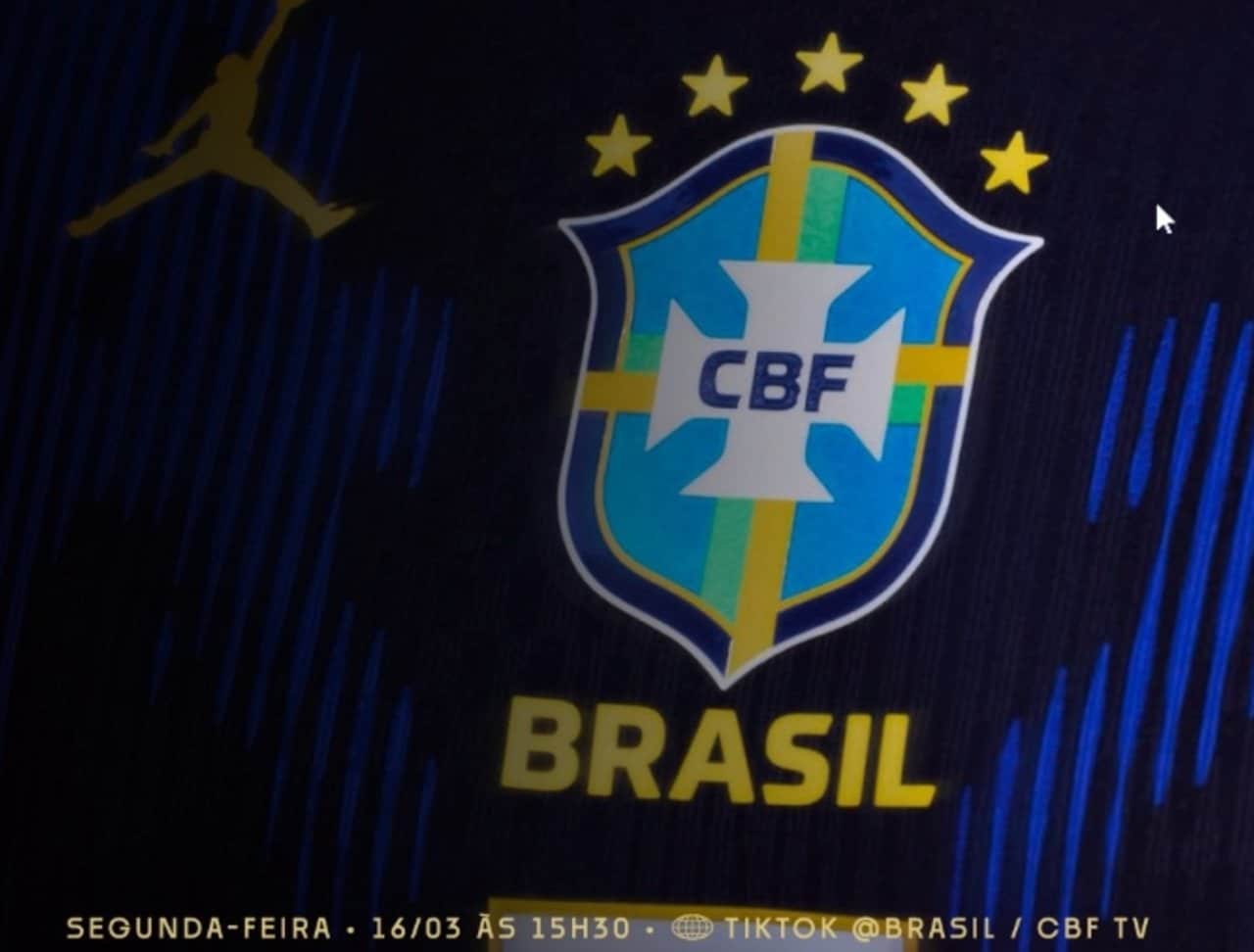
Apesar of the five stars already embroidered on the chest, the search for the “hexa” remains a constant objective and a source of renewed hope with each cycle of Copa of Mundo. Today’s call, May 18th, is another step in this incessant journey. Brasil continues to be a hotbed of talent, and the expectation of new global glory is an engine that drives the team and the fans. The success story serves as inspiration, but with each new tournament, the challenge is to rewrite the legend itself.





