
Ubisoft confirms remake of Assassin’s Creed Black Flag for July and prepares second classic game

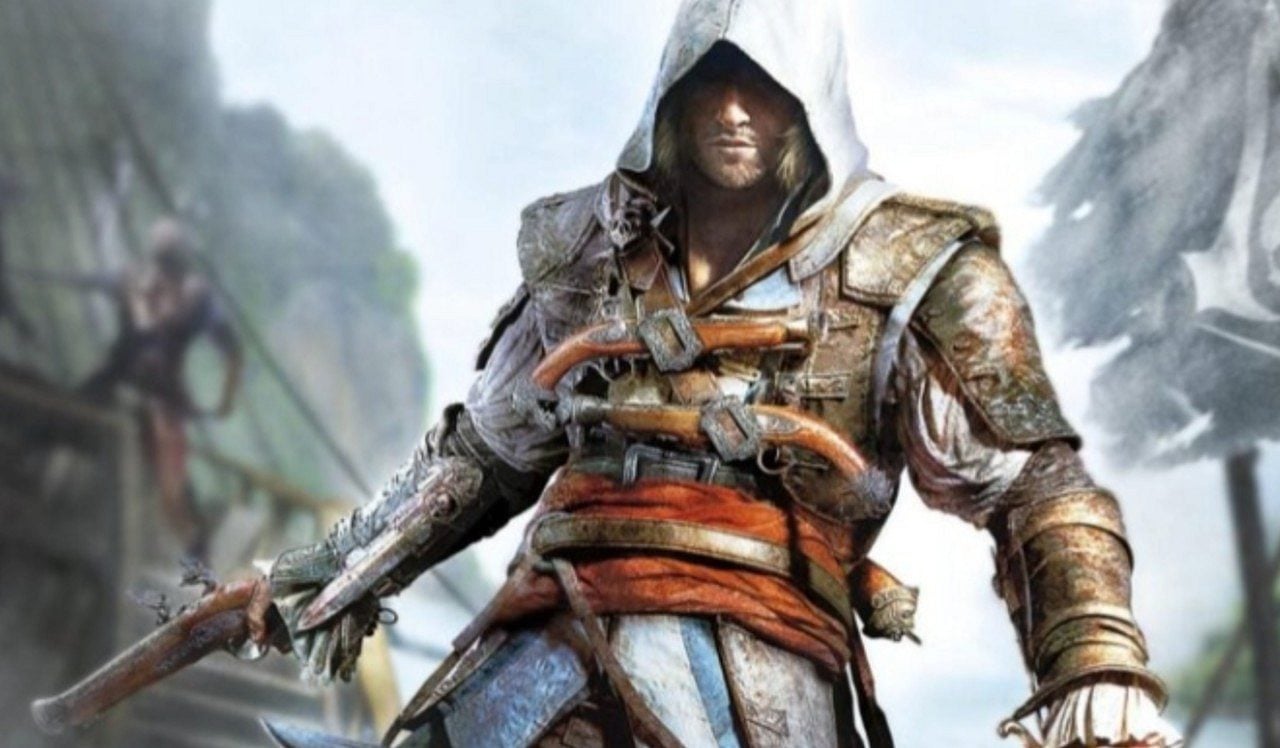
French developer Ubisoft has announced the release date for the updated version of one of its most popular titles. The game Assassin’s Creed IV: Black Flag Resynced will hit the global market on July 9, 2026. The company also confirmed that a second project to recreate a classic game from the franchise is already in the active development phase.
The strategy aims to revitalize old works for new generation hardware. The movement responds to long-standing requests from the gaming community. Executivos from the producer seeks to balance the delivery of nostalgic experiences with the introduction of modern mechanics to attract an unprecedented audience. The announcement moves the digital entertainment sector and raises expectations about the European studio’s next steps.
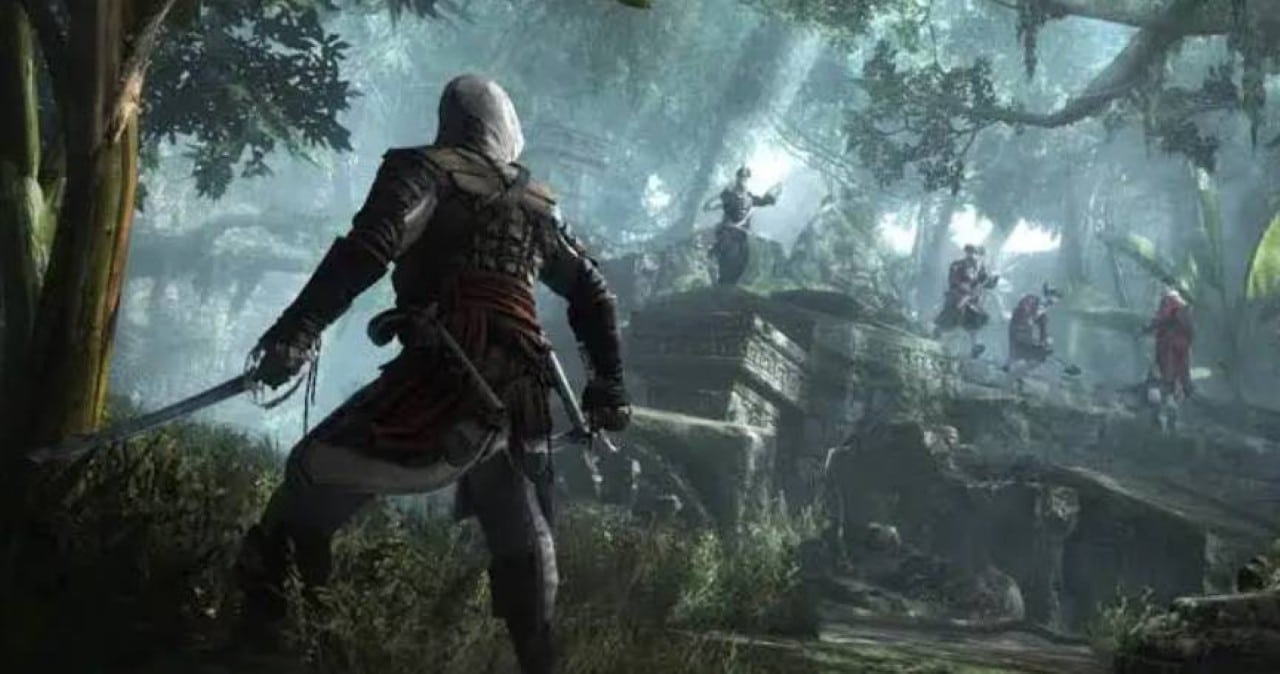
Motor graphic Anvil drives new version of Caribbean classic
The project focused on pirate themes uses the most recent iteration of the proprietary graphics engine Anvil. The technology allows for a complete visual overhaul of the Caribbean settings and character models. The developers chose not to turn the original framework into a massive open-world RPG system. The decision preserves the identity of the work originally launched in 2013.
The central navigation and maritime combat mechanics received specific adjustments to adapt to current fluidity standards. The programming team maintained the essence of the naval battles that established the title. The island exploration system and crew management of the ship Jackdaw remain intact. The producer implemented improvements to the artificial intelligence of enemies and the physics of vessels during virtual storms.
The base game’s content has been expanded with the addition of new missions and secondary narrative arcs. The writers created new interactions between the historical characters and the protagonist Edward Kenway. The update includes native support for higher resolutions and optimized frame rates on modern consoles. Players will have access to a performance mode that prioritizes the speed of control response during direct confrontations.
Especulações points to Ezio Auditore’s return in second project
The confirmation of a second title in the process of being recreated generated intense debates in specialized forums and social networks. The company keeps the name of the game under strict confidentiality. Analistas’s technology market points to Assassin’s Creed II, released in 2009, as the most likely candidate to receive the modernization treatment. The adventure set in Renascença Italiana has a consolidated fan base.
Firenze protagonist Ezio Auditore is considered one of the most iconic characters in video game history. The narrative involving revenge and political conspiracies in cities like Florença and Veneza defined the direction of the franchise for more than a decade. A visual and mechanical update to this specific chapter would represent a significant commercial milestone for the publisher. The project would require extensive work on the architectural recreation of Italian historical monuments.
Transitioning a game from the seventh generation of consoles to 2026 standards requires considerable resources. Studios have to redo textures, parkour animations, and lighting systems from scratch. The community awaits an official statement on which historical period will be revisited. The revelation should take place in digital broadcast events scheduled for the coming months.
Franquia balances nostalgia with new releases in today’s market
Ubisoft’s corporate planning demonstrates an attempt to diversify the active product portfolio. The mix between remakes and new games serves to keep the brand in continuous focus in the news. The approach reduces the financial risks associated with creating entirely new intellectual properties. The company’s current business model establishes clear guidelines for production teams.
Updates to classic works follow specific development and adaptation criteria for contemporary audiences.
- Graphic modernization uses state-of-the-art rendering tools for open environments.
- Additional content expands the length of the campaign without changing the main story events.
- User interfaces are undergoing redesign to ensure accessibility and intuitive navigation.
- The preservation of original soundtracks occurs through audio remastering processes.
The re-release strategy attracts both veterans who want to relive memories and newcomers who found the old versions dated. The production cycle for a remake is usually shorter than that of a title built from initial concepts. Isso allows the company to fill gaps in the annual fiscal calendar. The revenue generated from these sales funds the research and development of future technologies.
Codinome Hexe promises dark tone and witch hunt exploration
Paralelamente to revitalization projects, the company is moving forward with the production of new chapters of the main series. The title tentatively called Assassin’s Creed Codename Hexe represents the studio’s next big narrative bet. The work will explore the period of witch hunts in Europa in the 16th century. The historical setting offers opportunities for gameplay mechanics focused on stealth and investigation.
The Ubisoft Montreal team leads the development of this new project under the direction of industry veterans. Preliminary Informações suggests a denser atmosphere and elements of psychological horror never seen before in the franchise. The change in tone aims to differentiate the product from previous releases that focused on pitched battles and sunny exploration. Level design should prioritize closed environments and oppressive villages.
The company’s communications department is preparing a series of detailed announcements for the coming days. Executives plan to release Black Flag Resynced gameplay videos and reveal details about the collector’s editions. Expectations surrounding the exact launch dates of other projects move the company’s shares on the stock exchange. The market awaits confirmation of compatible platforms and system requirements for personal computers.





