
AI humanoid robot debuts in Australian renovation project with Cherie Barber


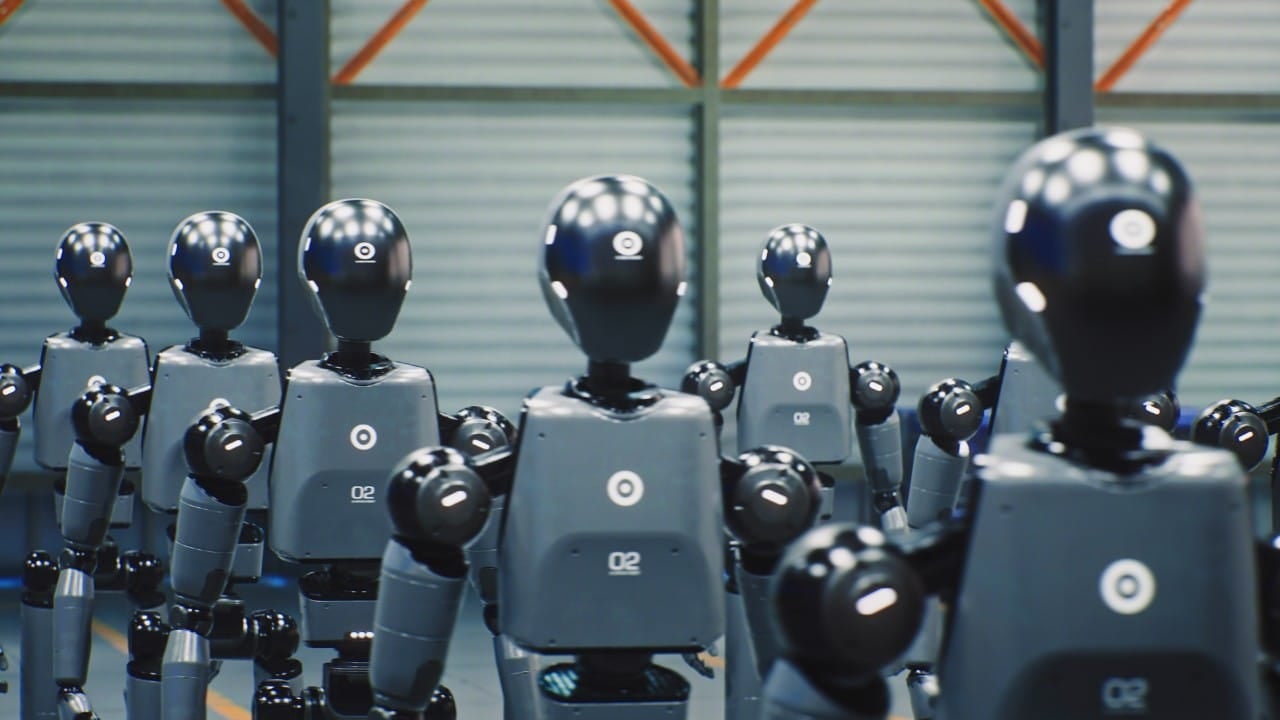
Australian presenter Cherie Barber has launched an unprecedented social experiment by integrating a humanoid robot equipped with advanced artificial intelligence into her most ambitious home renovation project. The robot, named Tinnie, marks the first time a humanoid machine with advanced digital AI has worked on a real home improvement construction site. The project, called The Farmhouse, will be documented in a television series scheduled for mid-2027.
Localizado on 8.3 acres of land on the west side of Sydney, The Farmhouse presents extreme and unusual challenges. The property is located in a critically sensitive environmental zone and has a classification of Nível 29, Ataque and Incêndio Florestal. Exige materials and design capable of resisting embers and radiant heat at high levels, making the project complex, unpredictable and high risk.
The Tinnie robot and its mission on the construction site
Tinnie is four feet tall and serves as Cherie’s digital apprentice. Diferentemente of conventional expectations, does not operate construction tools or replace qualified professionals. The machine performs specific functions in the construction environment:
- Recepção and on-site team guidance
- Integration training Realização
- Building Standards Recitação
- Technical specifications Verificação
- Oferecimento guidance on products and projects
- Aprendizado continuous real construction processes
“Tinnie is not here to replace humans or pick up a drill,” explained Cherie. The machine was designed to add value to the construction environment, welcoming professionals and functioning as an integrated part of the team.
Desenvolvimento and technical collaboration
The robot is the result of six months of intensive planning, testing and collaboration between Cherie, its partner Matt Hume and robotics company Unitree Robotics. The pair traveled to China in early 2026 to meet the technology team in person and prepare Tinnie to operate in the Australian home improvement environment.
“Seeing Tinnie up close was surreal and incredible,” reported Cherie. Preparation of the machine involved specific adaptations for Australian conditions. Tinnie can play unexpected roles, even functioning as a motivator in stressful situations during the construction site.
Construction Além: Human Experiences
The experiment transcends the limits of structural reform. Cherie plans to expose Tinnie to everyday human experiences, from breakfasts to informal conversations with workers, trips to watch football games and various interactions. The objective is for the robot to understand not only constructive mechanics, but also dimensions of human existence.
“Tinnie is learning what it means to be human; how we think, feel and interact,” said the presenter. Essa approach differentiates the project from simple technological tests, placing the robot in a genuine social and relational context.
The Farmhouse: sustainability and sophisticated design
Paralelamente to the integration of Tinnie, the project incorporates principles of sustainability and self-sufficiency. The property will include an organic greenhouse, orchards, luxury chicken coop, beehives and a farm-to-fork lifestyle system. The fusion between sophisticated design, real construction challenges and humanoid technology creates an innovative format for residential renovation.
Cobertura cross-platform and public reach
The development of Tinnie will be followed by the public through multiple channels. Série television will launch in mid-2027, while bi-weekly episodes will be published on Cherie’s YouTube (youtube.com/cheriebarberofficial). Weekly behind-the-scenes Conteúdo will feed social media platforms, creating transmedia storytelling of the experiment.
Perspectiva about robotics and the future
Cherie positions The Farmhouse as a practical demonstration of how robots function as collaborative tools, not replacements. “Robots have been used in commercial and industrial sectors since the beginning of the 1960s and, today, they assist humans in surgery, research, agriculture and dangerous environments”, he contextualized. The project aims to dispel unfounded fears about robotic integration, showing practical and beneficial application of humanoid technology in a real construction environment.





