

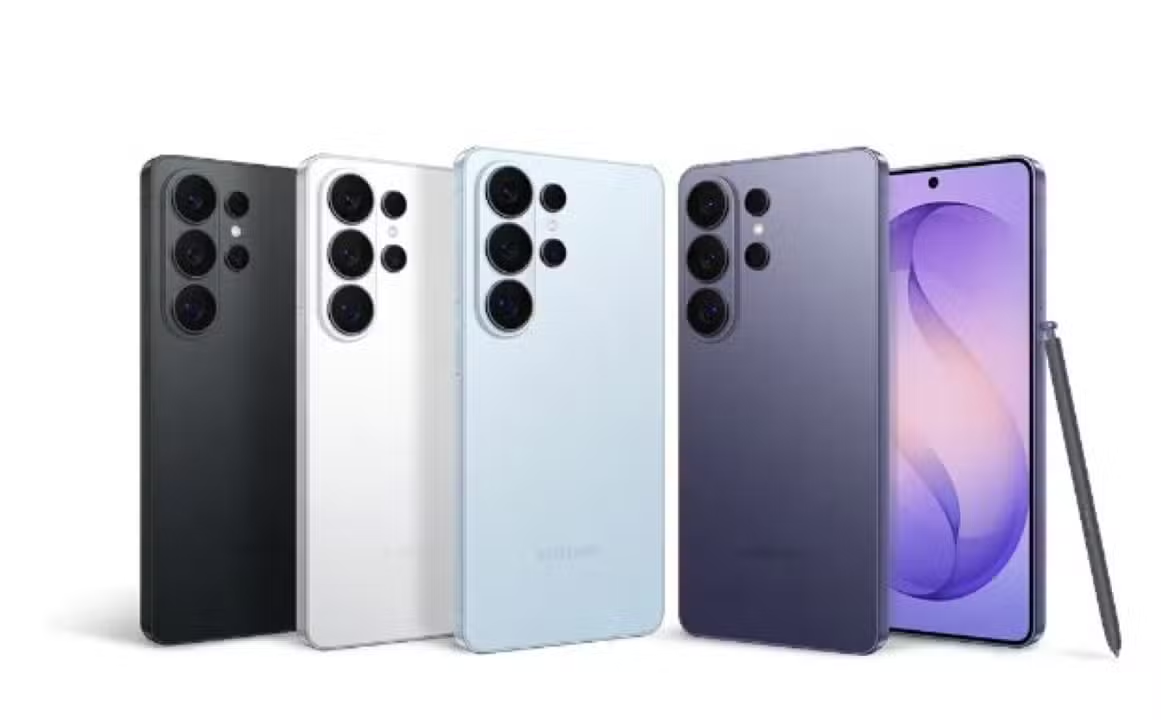
Compradores of Galaxy S26 Ultra began registering returns at electronics stores shortly after launch. Relatos on forums and support channels point to symptoms such as persistent headaches, nausea, and eye strain. The OLED screen appears to be the main focus of complaints.
The model arrived on the international market with advanced features, but some users report difficulty in maintaining daily use. Problems arise mainly in closed environments with artificial lighting. Sessões reading or browsing social networks worsens the condition in a few minutes.
Tela OLED generates symptoms in sensitive users
The update frequency and the way the display controls brightness explain part of the complaints. Pulse width modulation, known as PWM, operates at 480 Hz on the device. Esse mechanism makes pixels flash rapidly to adjust brightness.
Muitos do not notice the variation. Outros, more sensitive, feel visual discomfort. Symptoms include eye strain, headache and, in reported cases, nausea. The effect is more evident at low light levels.
- Frequência 480 PWM Hz
- Sintomas reported: headache, eyestrain and nausea
- Piora indoors with artificial light
- Devoluções registered in several countries
- Uso continuous limited for part of buyers
Retail Empresas confirmed above-normal volume of returns in the first few weeks. Canais support officials from Samsung also accumulate similar records.
Recurso Screen Privacy Amplifies Complaints
Galaxy S26 Ultra brought Privacy Display, which limits the viewing angle to protect content. Alguns users have noticed that the feature changes text sharpness and brightness uniformity. Mesmo with the function deactivated, some of them describe a feeling of visual fatigue that is faster than in previous generations.
Independent Testes indicate that the panel maintains technical characteristics similar to previous models in the Ultra line. The combination of low-frequency PWM and the new display design may explain the greater impact on sensitive users.
Quem experiences the problem and usually identifies symptoms after 10 to 20 minutes of continuous use. Relatos mention it gets worse when reading long texts or scrolling through feeds. The discomfort lessens when the device is left aside for some time.

Resposta from the manufacturer and options to mitigate
Samsung has not yet announced any hardware changes for the display. The company advises software adjustments to reduce discomfort. Opções include enabling blue light filter, adjusting brightness manually, and reducing system animations.
Especialistas in displays recommend that people with known sensitivity to PWM avoid panels with frequencies below 2000 Hz. Modelos from other brands already adopt higher rates. In the case of the S26 Ultra, the problem is of a technical nature and cannot be corrected by a software update.
Lojas records returns even among those who have activated all visual comfort settings. The volume of cases is still a minority in relation to the total number of units sold, but enough to generate discussion in online communities.
What changes for those considering the purchase
The Galaxy S26 Ultra maintains other premium specifications such as advanced camera and overall performance. The display continues to offer high resolution and vibrant colors for most users.
Quem intends to use the device for long periods indoors and must test it personally before deciding. Algumas stores allow extended display evaluation. Sensitive Usuários may prefer models with higher frequency PWM or alternative dimming technologies.
The South Korean manufacturer has been following the reports since launch. Até at the moment, there is no recall announcement or change to the current model panel. Compradores who face the symptoms can resort to the retailer’s return policy.
Ficha main technical display
- Painel Dynamic 6.9-inch AMOLED 2X
- Resolução QHD+ with high refresh rate support
- PWM at 480 Hz for brightness control
- Recurso Privacy Display for privacy protection
- Brilho high maximum, but with variation in angles
The episode reinforces the importance of individual tests on devices with OLED screens. Nem everyone notices the effect of PWM, but for those who feel it, the impact on their daily lives can be significant.