

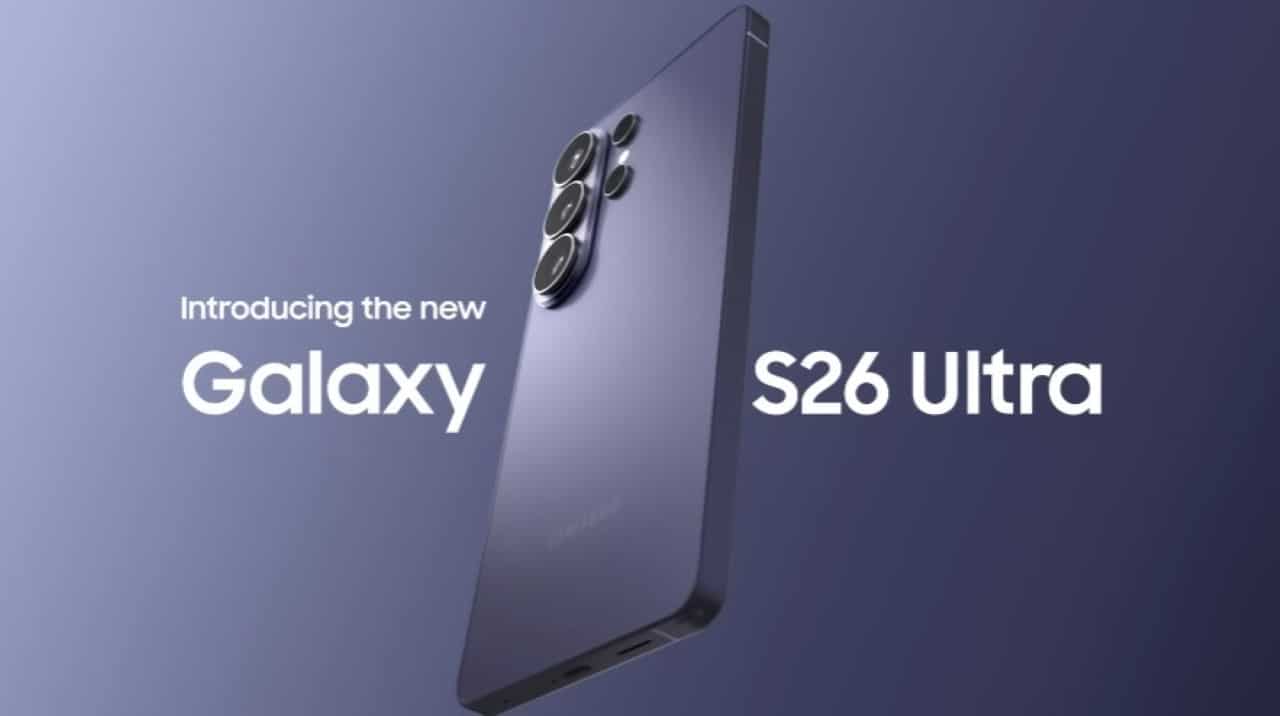
Samsung has quietly distributed a new camera patch for the Galaxy S26 Ultra that revamps zoom behavior above 10x. The second update package in April modified the processing algorithm of the main sensor operating in 24 MP mode, reducing digital artifacts and delivering more balanced images over long distances.

Mudança in processing reduces visual artificiality
Até the previous update, the South Korean flagship activated aggressive post-processing when crossing the 10x mark at 24 MP resolution. Esse behavior resulted in images with excessive digital sharpening and very severe edge enhancement, making fine textures appear to be reconstructed by the graphics engine. Fotógrafos needed to manually switch to 12 MP mode to avoid visible computational artifacts in complex scenarios.
The new patch calibrates this balance, bringing the 24 MP yield closer to the natural smoothness found in 12 MP. Texture reconstruction now acts in a controlled manner, reducing artificial microcontrast. The practical result better preserves the original optical properties of the lens assembly, without significant loss of detail.
Faixas zoom and performance by resolution
The redesign has extended the stable usage range of the 24 MP mode, which now remains optimized up to 14.9x. Confira technical behavior in each interval:
- Zoom up to 0.9x (ultrawide lens): optimal operation at 24 MP
- Zoom 0.9x to 1.9x (main lens): balance maintained at 24 MP
- Zoom 1.9x to 9.9x (5x telephoto): guaranteed consistency at 24 MP
- Zoom from 10x to 14.9x (digital mode): now with optimized processing at 24 MP
- Zoom above 15x: heavy processing returns, 12 MP is recommended
Casual and professional Fotógrafos no longer constantly switch between resolutions when crossing the 10x border. The system delivers the advantage of larger file details with optimized processing predictability, eliminating doubts about which mode to use in intermediate situations.
Limitações at extreme distances and low light
15x Acima, the Samsung’s heavy-duty processing line once again takes aggressive control of the image. Artificial intelligence and digital enhancement now dictate sharpness over long distances, making 12 MP the safest choice to avoid unwanted noise. The 24 MP mode still demonstrates usefulness above this level only under strong lighting, where there is enough optical information for the sensor to work without excessive quality degradation.
Cenários in low light remains problematic at extreme zoom, regardless of the resolution chosen. Nesses cases, computational processing compensates for the sensor’s physical limitations, prioritizing luminosity over fine detail. Samsung maintains this approach even after patching, recognizing real optical limits of the hardware.
Especificações of Galaxy S26 Ultra
The top of the line has a robust camera system to support these new algorithms:
- Main Sensor: 200 MP with OIS and f/1.9 aperture
- Lente ultrawide: 50 MP with f/1.9 aperture
- Telefoto 1: 50 MP with 5x optical zoom, OIS and f/2.9
- Telefoto 2: 10 MP with 3x optical zoom, OIS and f/2.4
- Câmera front: 12 MP with f/2.2
The 6.9-inch Dynamic AMOLED 2X screen with QHD+ resolution offers accurate viewing of results. The Snapdragon 8 Elite Gen 5 for Galaxy processor manages these computationally intensive calculations efficiently. 5,000 mAh Bateria with 60W charging completes the package, with IP68 certification for water and dust resistance.
Impacto practical for users
The update primarily benefits photographers who routinely work with intermediate and long zooms. Reduz inconsistent quality frustration between 10x and 15x, common range in landscape, wildlife, and event photography. Usuários casuals gain confidence when shooting at zoom without needing to consult mental tables about which resolution to use.
The patch does not revolutionize hardware capabilities, but optimizes existing Software. Samsung demonstrates commitment to post-launch maintenance even on premium products. Outros manufacturers could learn from this continuous refinement approach based on real usage feedback.




