
Film The Mandalorian and Grogu hits theaters with a focus on action and the bond between father and son

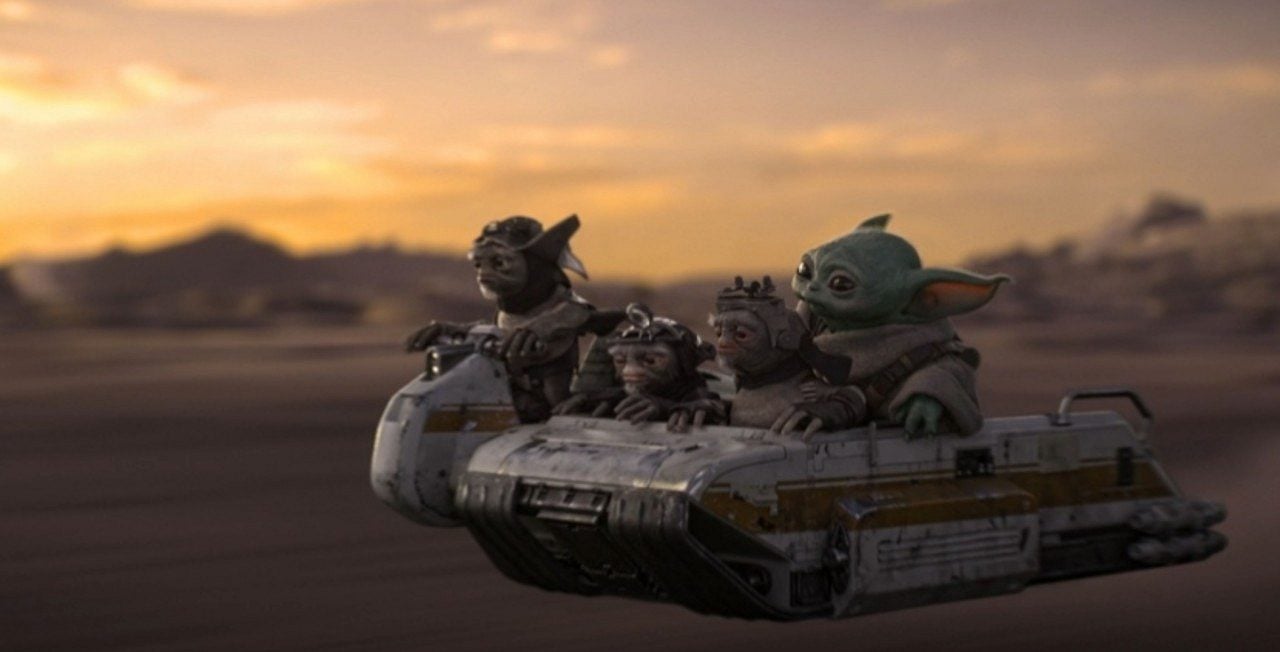
The film “The Mandalorian and Grogu” arrives in theaters with an unusual proposal within the Star Wars universe: masked protagonists, voice actors in sound booths and characters made of computer graphics and dolls. The production directed by Jon Favreau maintains the essence of the streaming series, but expands the visual and narrative scope to a feature-length adventure that prioritizes digital creatures over flesh-and-blood actors. The result is an experience that oscillates between the charm of prototypical fantasy and the technical limitations of a director more accustomed to animation than live scenes.
Pedro Pascal returns in the role of Mandalorian bounty hunter Din Djarin, although his physical presence is minimal. The actor lends his voice and appears in some scenes, but the action sequences largely depend on stunt doubles and the character’s costume. Grogu, the small creature that won over fans of the series, remains a highly expressive puppet controlled by puppeteers moving behind the scenes. Sigourney Weaver makes appearances as Coronel Ward, an officer of Nova República who assigns missions to Mandalorian.
The invisible cast that brings the plot to life
Jeremy Allen White lends his voice to Rotta the Hutt, son of Jabba and a character who has grown since his appearance in Clone Wars. The choice to turn actors into purely vocals reflects a broader creative decision by Favreau. Junto to screenwriter Noah Kloor and Dave Filoni, now head of Lucasfilm, Favreau built a script where most of the characters do not require facial expressions. Essa approach reduces production costs, but also compromises dialogue quality in several scenes. Conversations between Din and Rotta, particularly those about Hutt’s desire to transcend his father’s criminal reputation, repeat themselves with mechanical rigidity. Ambas sequences touch on the same emotional point, creating unnecessary redundancy.
Stephen McKinley Henderson and Martin Scorsese complete the cast of voice actors. Scorsese, interestingly, plays the same species that Favreau voiced in “Solo: A Star Wars Story”, creating a peculiar echo between the productions.

The narrative centered on Rotta’s recovery
Din Djarin is dedicated to hunting down villains from the defunct Império Galáctico under the orders of Nova República. The mission that structures the film involves rescuing Rotta from a type of servitude in a combat arena. In return, the Hutt family will provide valuable intelligence to the República. Essa plot takes Mandalorian and Grogu to the most dangerous and forgotten regions of the galaxy. Diferente of the series episodes, the film fills this space with computer-generated creatures, droids and few recognizable human faces.
The number of digital characters rivals the films in the prequel trilogy, an unexpected connection that belies Favreau’s reputation as an admirer of the classic Star Wars. Droides fighters from the past have been recycled and reimagined as Hutts soldiers, contributing to an aesthetic that mixes old with new without always achieving visual cohesion.
Qualidades and limitations in visual execution
Quando Favreau moves away from traditional actors and sends little creatures like Grogu on solo adventures across the green landscape, the film finds its most enchanting tone. Os Anzellans the small mechanically inclined species that includes Babu Frik from “The Rise of Skywalker” bring charm when exploring the environment. Nessas scenes, the production appears more manual, made by hand, despite being entirely digital. Working with smaller creatures works better than large-scale battle sequences.
Larger Sequências reveal weaknesses in the direction of action. An arena battle doesn’t reach the scale or intensity of the “Attack of the Clones” equivalent. The creature designs are impressive, especially with location changes, but the gray, undefined initial scenery suggests confusion between evocative shadows and ineffective digital mumbling. A later air raid sequence, although visually elaborate, proves completely superfluous and reinforces a vice of Star Wars: the over-reliance on aerial battles as a substitute for genuine conflict.
Diálogo and narrative construction
Writing is Aquiles’s heel of production. Apesar having written the hilarious “Swingers” script three decades ago, Favreau shows notable deficiency in dialogue in this endeavor. The problem even overcomes George Lucas’s clumsy scripts, whose stiff sentences have a purity and directness that, to some ears, sound almost melodramatic. Aqui, characters repeat themselves robotically. The trailer’s most touching line about Grogu being destined to live centuries longer than his adoptive father, causing him concern, doesn’t appear in the finished film.
Paradoxalmente, the film works best when it relieves the characters of the burden of dialogue. Grogu, who doesn’t speak, becomes the de facto emotional core. Sua expression and actions carry the narrative weight that the text cannot sustain. Silent moments are more effective than those filled with obligatory conversations.
Criação entertainment without thematic pretensions
Ludwig Göransson delivers an eccentric and impressive soundtrack that complements the on-screen action. The production actively rejects deep themes, keeping fatherhood metaphors low-key and largely unexplored. The film aims to entertain, and it succeeds in many moments. Algumas creatures have genuine soul semblance. The reason for this move away from human expression remains opaque, with sinister undertones underlying it: Does this display of masks and puppets work as a preventive measure to insulate filmmakers from inevitable situations where beloved actors age or die leaving their iconic roles?
Star Wars maintains a rich tradition of infusing life into potentially inanimate objects. Favreau and Dave Filoni extended this process with Grogu in touching ways. Production remains within the lines of the established franchisee.
Paralelo with Solo: Uma História Star Wars
Curiosamente, after nearly a decade of anxiety over the financial failure of “Solo: A Star Wars Story,” Disney turned to the better-loved Star Wars series to finance a remarkably similar film. Ambos explore the galactic universe in a neoiristic way that transitions to tones of Western. “The Mandalorian and Grogu” reverses the trajectory of “Solo” by starting darker, ending closer to the Western genre while removing complex origin plots. Favreau and his team create a familiar feeling of joyfully playing with familiar characters in visually populated worlds, without particularly ambitious reasons.





