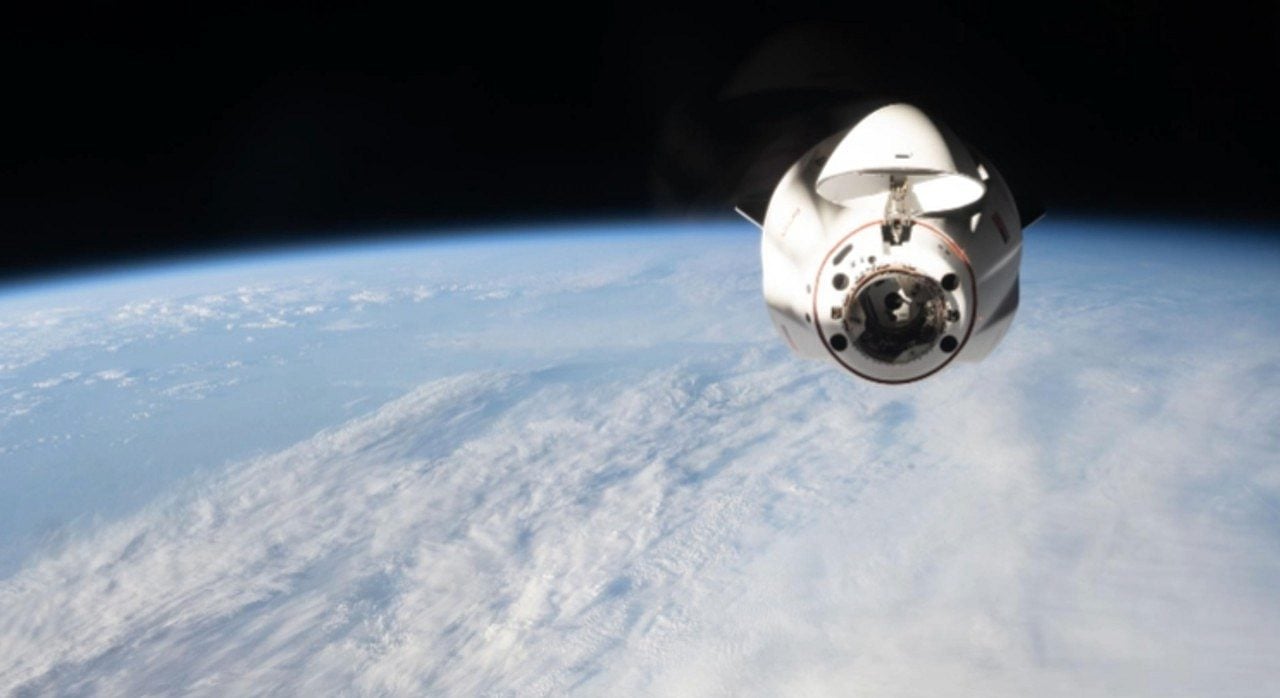
ISS crew processes experiments after arrival of 6.5 ton Dragon capsule

SpaceX’s Dragon capsule delivered approximately 2,948 kilograms of cargo to Estação Espacial Internacional on Sunday, May 17, marking the beginning of an intensive week of scientific activities. Quatro members of Expedição 74 began unloading supplies on Monday, paving the way for unprecedented research on platelets and blood clotting in a microgravity environment. The operations unfold as the team simultaneously prepares for a spacewalk scheduled for the end of the month.
Jack Hathaway, a NASA flight engineer, was the first to access Dragon a few hours after its docking. Seus colleagues Chris Williams and Jessica Meir, both from NASA, and Sophie Adenot, from Agência Espacial Europeia (ESA), immediately followed him. The initial priority was to transfer research samples stored in portable scientific freezers, given the capsule’s limited time of availability.
Pesquisa on blood cells advances into orbit
Meir activated Vida’s Caixa of Luvas of Ciências, located in the Kibo lab module, to begin the latest study. The experiment will investigate how microgravity affects platelet-producing cells at a cellular and genetic level. Hathaway thawed and centrifuged the samples using BioServe equipment, while Adenot assisted in preparing the samples for incubation and growth.
Researchers will observe the process of cellular transformation to understand how the absence of gravity interferes with blood clotting and the crew’s immune response. Meir then uninstalled the centrifuge after processing the samples and handed them over for further analysis. Esse type of investigation provides critical data to understand how future long-duration manned missions, like those coming to Lua, will affect human health.
Experimentos students gained space in the Harmony module
Williams dedicated himself to the Harmony module, where he activated tubes containing samples sent by Dragon for research carried out by students. Biological samples include:
- Plant Sementes
- Bactérias
- Mofo
- Amostras of materials such as iron and aluminum
Observations made in these special conditions will expand scientific knowledge about space phenomena. The pedagogical objective is also central: these surveys inspire middle and high school students to consider careers in science, technology and engineering. The results will be documented and shared with the educational institutions that participated in the initiative.


Preparativos for spacewalk intensify
Russian cosmonauts Sergey Kud-Sverchkov and Sergey Mikaev advance preparations for the spacewalk scheduled for the end of May. Eles configured the Orlan spacesuits inside the Poisk module’s airlock and organized the necessary tools. Monday’s activities included functionality tests and final adjustments to equipment.
The pair also took blood pressure measurements throughout the day, providing important data to the mission’s doctors. Essas measurements help healthcare professionals understand how weightlessness affects astronauts’ cardiovascular systems. Monitorar blood pressure is essential to ensure the crew is in a safe condition to perform demanding extravehicular activities.
Manutenção and inspection keep systems operational
Andrey Fedyaev, flight engineer for Roscosmos, focused his efforts on critical maintenance tasks. Ele has updated the hardware and software of portable computers used by the team, ensuring that all operating systems are within specifications. Após completed the upgrades, Fedyaev inspected and tested the functionality of the electronic systems of the Zarya module.
Essas Routine activities are essential to keep the station in full operation. The Zarya module, the structural core of the ISS, requires constant checks to ensure that all critical components continue to respond properly. Preventative work reduces the risk of unscheduled failures that could compromise scientific operations or crew safety.
The week marks a particularly active period for Expedição 74, combining cargo unloading, scientific sample processing, cutting-edge research and preparation for extravehicular activities, all occurring simultaneously in different modules of the orbital station.
Veja Tambem em Latest News (EN)

Italian Supreme Court confirms legality of hotel that offered only mineral water to customer

National Geographic Traveler Announces Travel Photography Contest Winners

Ferrari presents Luce, the first electric car, and receives harsh criticism from fans and the market
Yuki Yamada posts photo with beard and grimace on Instagram and surprises fans

Costco sees record demand at U.S. gas stations with lower prices

Passenger tries to enter cockpit and forces diversion of United Airlines flight to Madison
Astronomer explains white light recorded after meteor falls near volcano in Philippines
Comedian Sakamoto-chan reveals type 2 diabetes remission after lifestyle changes
Avi Loeb says discovery of alien intelligence can unite humanity amid global crises

Police investigate death of Hilde Ann Lynn Helphenstein in room at Rosewood São Paulo
Avi Loeb suggests that dark comet 1998 KY26 could be Soviet probe Phobos 1