Manufacturer BYD launches 2026 Qin Plus hybrid sedan with electric range extended to 210 km


Chinese automaker BYD officially launched the Qin Plus DM-i 2026 plug-in hybrid sedan in the Asian market in early January. The vehicle features substantial updates to its electrical architecture, achieving a range of up to 210 kilometers operating exclusively on battery power, in accordance with CLTC test cycle standards. Quando operated in combined mode, using the fuel tank and full electrical charge, the total range of the car exceeds the mark of 2,110 kilometers. The introduction of this model reinforces the manufacturer’s presence in the high-efficiency electrified vehicle segment.
The commercial positioning of the new car focuses on accessibility for the average consumer, with prices starting at 79,800 yuan for the entry-level configuration. The most equipped versions reach a ceiling of 99,800 yuan. The strategy aims to consolidate the sedan as a viable alternative to traditional combustion models, offering fifth generation DM-i system technology. The mechanical package integrates a 1.5-liter gasoline engine with a high-performance electric drive.
Arquitetura Battery and Consumption Efficiency
The advance in electric range numbers derives directly from the implementation of a battery pack with greater energy density. The upper configurations of the sedan now have accumulators with a capacity of up to 25.28 kWh. Essa expanded power reserve enables 210 kilometers of emission-free driving, a factor that meets the needs of drivers who undertake extensive daily journeys in urban environments. The technology used in the cells is LFP Blade, recognized in the automotive sector for its safety rates against punctures and long operational life.
The operation of the hybrid system prioritizes electric traction in most everyday traffic situations. The internal combustion engine acts predominantly as an energy generator to feed the batteries in real time, driving the wheels directly only at high cruising speeds or under strong acceleration demands. Essa electronic management logic results in optimized consumption rates.
Standardized Testes demonstrate that, even with the battery pack discharged, the vehicle records a consumption of just 2.79 liters of fuel for every 100 kilometers travelled. The thermal efficiency of the gasoline engine combined with the recovery of kinetic energy during braking ensures that the cost per kilometer driven remains low. The fuel tank sized to work in conjunction with the electrical system eliminates range anxiety on long intercity trips.
Estrutura versions and market positioning
The distribution of the Qin Plus DM-i 2026 portfolio occurs through three distinct equipment catalogs. The most affordable option, sold for 79,800 yuan, delivers a purely electric range of 128 kilometers. Este access model attracts fleet owners and consumers looking for the initial transition to electrified mobility with less financial outlay.
The mid-range and top-of-the-line variants concentrate the most far-reaching innovations. The version called Progressive is priced at 89,800 yuan, while the Superior configuration reaches 99,800 yuan. Ambas guarantees 210 kilometers of electric operation and adds convenience and refined finishing packages. Maintaining prices below the 100,000 yuan barrier demonstrates the Asian manufacturer’s industrial scale capacity.
The commercial history of the Qin family records significant volumes of registrations in previous years. The technical update responds to a change in consumer behavior, which begins to demand plug-in hybrid vehicles with greater electric driving capacity to take advantage of local tax incentives. The vertical integration of the production chain, from lithium mining to final assembly, allows the company to apply aggressive prices without compromising the profit margin.
Principais technical data of the updated sedan
- Autonomia in pure electric mode up to 210 kilometers per CLTC standard.
- Alcance combined maximum exceeding 2,110 kilometers with full tank and batteries.
- Consumo measured at 2.79 liters per 100 kilometers with a discharged battery.
- Pacote of Blade LFP batteries with a maximum capacity of 25.28 kWh.
- Integração 1.5 liter gasoline engine operating as main generator.
The technical indicators presented place the vehicle in a position of technical advantage compared to direct competitors in the same price range. Engineering focused on reducing mechanical losses and improving aerodynamics directly contributes to obtaining these numbers in real road and urban use conditions.
Active Safety and Assistance Tecnologias
Vehicle safety received updates with the inclusion of the DiPilot level C system as factory equipment in the most expensive versions. The hardware set includes high-resolution cameras and ultrasonic radars that continuously map the car’s surroundings. Essa sensor architecture enables L2+-rated semi-autonomous driving operations, reducing driver fatigue in congestion and extended journeys.
The technological package includes lane keeping assistance functions, adaptive cruise control and autonomous emergency braking capable of detecting pedestrians and cyclists. The vehicle also offers automated parking capabilities and a memory-based navigation system for frequent urban commutes. The introduction of this equipment in a mid-cost sedan represents a movement towards the democratization of active safety in the automotive market.
Acabamento internal and sound insulation
The sedan’s cabin has been redesigned to house the new generation of the DiLink entertainment system. The central panel highlights a floating screen that can reach 12.8 inches, concentrating the climate control, media and vehicle settings controls. The software accepts natural language voice commands and allows the installation of third-party applications. The front seats have electrical adjustments and the digital air conditioning system has multiple temperature zones.
Acoustic comfort received special attention from the engineering team. The adoption of double laminated glazing in the front windows and the application of sound absorbing materials in the fire wall reduced the intrusion of external noise. The active noise cancellation system works in conjunction with the speakers to emit inverse frequencies, keeping the internal sound level below 53 decibels at moderate speeds. Relocating the gear selector to the steering column frees up useful space on the center console.
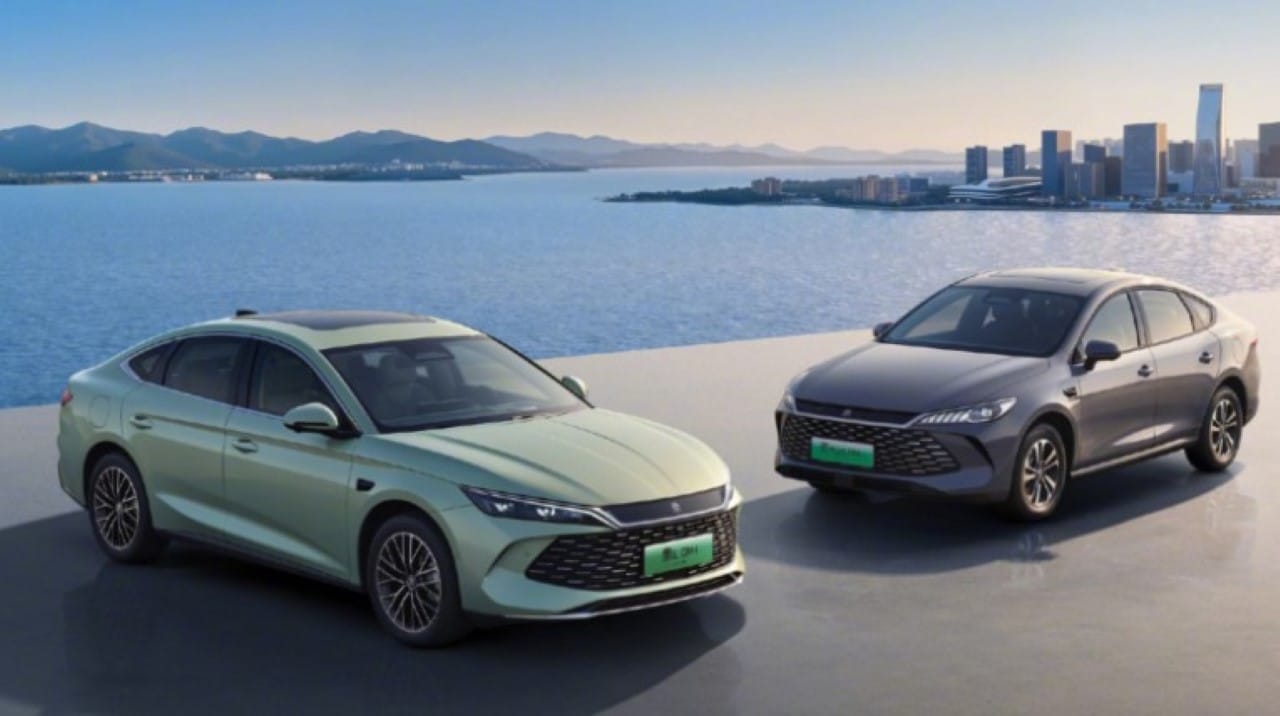
The external aesthetics preserve the visual identity known as Dragon Face, characterized by the wide front grille and tapered LED headlights. The color catalog has been expanded to seven options, introducing a new shade of gray with pigments that alter visual perception depending on the incidence of light. The body maintains compact dimensions on the outside, but offers adequate space for five adult occupants. The concessionaires began billing the units immediately after the official presentation.