Sony registers patent for control with dynamic surface that changes physical shape during games

Sony has submitted an intellectual property document that describes a new model of video game controller equipped with deformable buttons. The project presents a mechanical system capable of changing the physical structure of the peripheral in real time. The technology seeks to create a direct tactile response to the events displayed on the screen.
The record details an internal grid formed by small interconnected buttons under a layer of malleable material. Essa structure allows specific parts of the control to sink, rotate or rise according to software commands. The proposal represents a step beyond current vibration systems. Especialistas from the technology sector believes that the concept could integrate the next generation of consoles from the Japanese manufacturer.
Engenharia behind the dynamic and interactive surface
The mechanism described in the technical document works from a matrix of movable axes. The structure is complex. Cada component of this grid has the ability to move independently or in a coordinated manner during the match. A special fabric cover surrounds the set. The player interacts with this continuous surface instead of pressing traditional hard buttons.
The synchronization between hardware and software defines the behavior of the structure. The system receives game data and activates internal motors to modify the control’s topography. Rough terrain in the virtual environment results in an uneven surface in the user’s hands. The precision of the movements depends on the density of this mesh of buttons.
The movement possibilities include three main axes of physical action. Sinking simulates resistance or weight of virtual objects. Elevation creates temporary three-dimensional shapes in the device housing. Rotational movement requires the player to apply directional force to complete specific actions.
Evolução of haptic feedback in the hardware industry
The search for greater physical immersion has accompanied the development of video games for decades. The scenario has changed. Early simple vibration motors have given way to complex linear actuators in recent years. The PlayStation 5’s DualSense introduced adaptive triggers that change the tension depending on the weapon or vehicle used. The new patent suggests a transition from force-based response to morphological change.
The peripherals market invests significant resources in sensory interaction. Traditional Controles limit physical communication to tremors of different intensities. The format change proposes a new tactile language for developers. The user starts to feel dynamically generated contours and textures.
The implementation of changeable surfaces requires significant advances in component miniaturization. Engineers must fit dozens of small motors into the restricted space of a standard controller. The weight distribution and ergonomics of the device require rigorous attention during the prototyping phase. Comfort during prolonged sessions remains a fundamental design criterion.
Aplicações practices and examples of immersion in games
The text of the record uses the emergence of a volcano as a practical example of the technology. The control surface rises to form a small physical crater. The player needs to press and rotate this structure to trigger the on-screen eruption. Mechanical action translates the visual event into a tangible experience.
Diferentes game genres can explore the tool in different ways. Racing Simuladoress have the potential to tighten specific areas of control when the vehicle loses grip. Títulos action can simulate the directional impact of projectiles by deforming the area corresponding to the damage. Jogos puzzle game would gain mechanics based on the tactile identification of hidden shapes.



The technology also has potential for accessibility features. Jogadores with visual impairment could receive spatial orientations through changes in the control shape. Advanced tactile communication reduces sole reliance on auditory and visual stimuli. Inclusive design gains new development tools with adaptable physical interfaces.
Desafios technicians for production feasibility
The transformation of a concept into a commercial product faces engineering and cost obstacles. The durability of malleable materials under constant use represents the main challenge of the project. Continuous friction and pressure exerted by players accelerate the wear of flexible fabrics and plastics. Maintaining structural integrity requires high-resistance chemical compounds.
Electrical energy consumption increases proportionally to the number of moving parts. Current Bateriass face difficulties in sustaining multiple engines for long periods. The energy efficiency of the system determines the viability of control in daily use scenarios. Designers need to balance mechanical complexity with device autonomy.
Manufacturing costs directly influence the final price for the consumer. Assembling a precision interconnected grid makes the production line more expensive. Customized Componentes reduces hardware manufacturers’ profit margins. The market assesses the public’s willingness to pay premium prices for advanced peripherals.
Histórico records and expectations for the future
Empresas technology files thousands of patents annually as an intellectual protection strategy. Most of these documents grant exclusivity on ideas that never make it to the shelves. Sony has an extensive history of registrations focused on experimental user interfaces. The research and development department tests different concepts before defining the standard for a new generation.
The moment of registration fuels debates about the successor to the PlayStation 5. The life cycle of traditional consoles lasts an average of seven years. Planning for next-generation hardware happens well in advance behind the scenes. The patent does not mention specific platforms, but the complexity of the project points to future hardware.
The central characteristics of the proposal indicate the paths explored by the manufacturer:
- Substituição of rigid buttons by dynamic matrices
- Uso of flexible polymers in the contact area
- Sincronização physical topography with graphics engines
- Integração of rotation and elevation movements
- Foco in expanding the sensory language of games
The video game industry awaits official statements on the practical application of the concept. The development of new control technologies dictates software design trends for the following years. The consolidation of this interface depends on the studios’ interest in programming specific functions for the deformable surface.
Veja Tambem em Latest News (EN)

Future iPhone 18 Pro will integrate translucent back and hidden photographic lens in the display

Epic Games Store consolidates access to 12 completely free big-budget games for computers in 2026
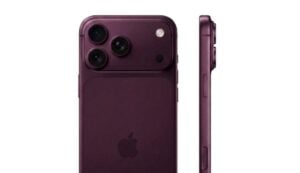
New iPhone 18 Pro brings discreet updates with A20 Pro chip while iPhone Fold gains prominence

New Ebola outbreak in the Democratic Republic of Congo records 65 deaths and mobilizes healthcare

FIFA defines 2026 World Cup calendar with 104 games in the United States, Mexico and Canada

BYD Qin Plus DM-i 2026 hybrid sedan hits the market with a range of more than 2,100 kilometers

Major launches for PlayStation 5 mark the 2026 calendar with exclusive titles

Chinese manufacturer prepares launch of Xiaomi 17 Ultra with Snapdragon 8 Gen 5 and Leica lenses

Czech store code reveals high price of Valve’s new Steam Machine for the year 2026

Accessory specialist Jaos presents off-road modification package for Toyota RAV4 at Tokyo Auto Salon 2026

Automaker starts sales of the 2026 Jeep Grand Wagoneer with Hurricane engine and new illuminated grille