Apple creates slider to control Liquid Glass opacity in iOS 27 update
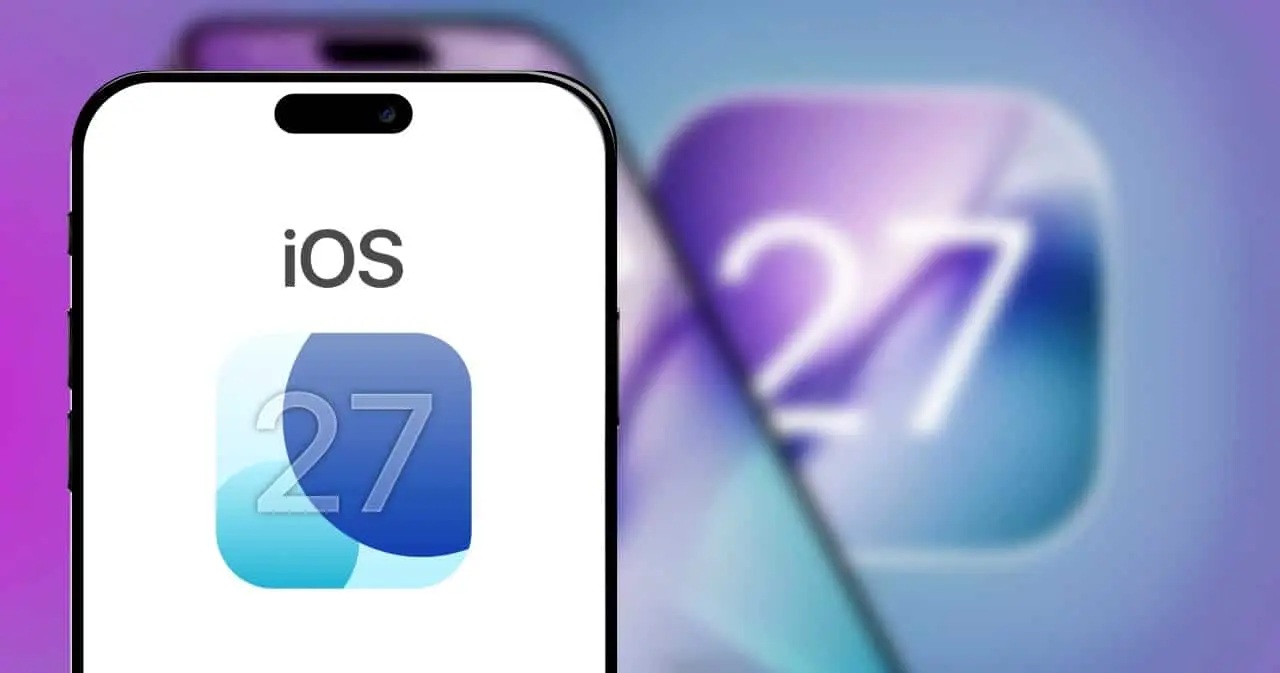
Apple is preparing a significant overhaul of visual customization options for the next generation of its smartphones. The long-awaited iOS 27 operating system will bring an exclusive slider for managing interface transparency known as Liquid Glass. The news was announced by journalist Mark Gurman, from the agency Bloomberg, who has a history of getting things right behind the scenes at the manufacturer. The new feature will ensure fine and continuous adjustment of the translucency applied to the graphic elements that make up the device’s screen.
Essa change of route represents a paradigm shift in the technology company’s design philosophy. Historicamente, the company maintained a strictly controlled software environment, offering limited customization options to standardize the user experience. The introduction of this slider replaces the rigid settings of the past with a granularity mechanism unprecedented in the brand’s mobile ecosystem. iPhone owners will have the freedom to tailor the system’s look to their specific reading and eye comfort needs.
Visual transition and readability challenges in the mobile ecosystem
The aesthetic concept of Liquid Glass was presented to users during the global launch of iOS 26. The design proposal delivered sophisticated translucent panels that simulated the effect of frosted glass on applications, folders and wallpapers. Naquela initial version of the software, Apple provided only two fixed alternatives for managing the visual effect on the screen. Consumers had to choose between the Limpo mode, with full transparency, and the Tingido mode, which applied a soft color layer to try to highlight the texts and icons.
On the same topic: Apple prepares dynamic control bar for Liquid Glass opacity in iOS 27
Essa’s dual approach generated intense debates among usability experts and the general public shortly after the release of the update. The modern aesthetic pleased a considerable portion of consumers who were looking for a cleaner and more integrated look. Outros users, however, reported severe reading difficulties when using complex screen backgrounds or those with high color contrast. The manufacturer’s predefined options were unable to meet all variations in external lighting and individual preferences for visual accessibility in everyday life.
iOS 26 minor Atualizações attempted to mitigate readability issues with minor refinements to the operating system’s graphics code. The development team calibrated the contrast levels and light diffusion of the panels over the months following launch. Continuous improvements highlighted the need for a definitive solution that would transfer decision-making power into the hands of the end user. Esse scenario motivated the creation of the new tuning tool for the next generation of mobile software.
Learn more: Apple trains its own AI model for the China market in partnership with Alibaba
Mecânica of the new opacity control in the interface
The mechanism designed for iOS 27 will work very similarly to the volume and brightness controls already existing on the smartphone’s Central. A touch bar will allow you to slide your finger to intuitively increase or decrease the opacity of Liquid Glass elements. The adjustment will take place in real time. The user will see changes to the interface immediately as they move the indicator on the screen, making it easier to choose the ideal level of transparency for their daily use.
The flexibility of this new tool resolves the historical conflict between a bold design and the practical functionality required by different consumer profiles. Pessoas with visual sensitivity can reduce transparency almost completely, guaranteeing solid and dark backgrounds for prolonged reading of long texts. Usuários who prefer total immersion in the wallpaper will have the option of maximizing the glass effect, maintaining the original and fluid aesthetic proposed by the manufacturer’s designers.
- Granular Controle: Substituição of options fixed by a continuous, personalized percentage adjustment.
- Improved Acessibilidade: Facilidade to adapt the screen contrast according to the external lighting.
- Instant Feedback: Visualização of real-time graphical changes during slider movement.
- Preservação aesthetics: The feature solves chronic readability issues without abandoning the modern software language.
Applying the translucent effect requires constant and heavy graphic processing by the device’s hardware. The interface calculates background blur dynamically whenever the user scrolls a web page, opens a notification, or accesses an application folder. The slider adds an extra layer of complexity to this mathematical calculation performed by the smartphone’s processor. The new feature requires deep optimizations in the source code to avoid crashes during navigation.
See Also



More on this story: New iOS 27 system integrates advanced artificial intelligence and revamps Siri assistant interface
Impacto in graphics processing and device battery optimization
Mark Gurman highlighted in its report that expanding this functionality to the entire operating system imposes severe technical barriers on the company’s developers. Apple already uses adjustment bars in isolated elements of the system, such as customizing the font and color of the clock on the lock screen. Levar this same freedom of customization for notifications, widgets, control panels and context menus requires a deep restructuring of iOS 27’s graphics rendering engine.
Software engineers face the primary challenge of optimizing the power consumption of devices that will receive the update. Variable transparency calculation across multiple layers of the interface can drain the battery quickly if not programmed extremely efficiently. The fluidity of animations also needs to be maintained at 60 or 120 frames per second, depending on the specific device model. Visual performance cannot drop, regardless of the opacity level chosen by the cell phone owner.
Overcoming these technical obstacles will define the success of the tool implementation when launching the final version. The internal expectation is that the development team will be able to stabilize the resource before the public testing phase begins. The company’s current strategy focuses on incremental improvements to the user experience. The company seeks to avoid abrupt visual revolutions that require a steep learning curve on the part of consumers already accustomed to the system’s current format.
Previsão launch and expectations for the WWDC 2026 conference
The manufacturer’s traditional release schedule points to the official reveal of iOS 27 during WWDC 2026. Worldwide Developers Conference will take place on June 8th this year. The annual event brings together programmers from around the world at the company’s headquarters and serves as the main stage for showcasing the company’s software innovations. The opening ceremony details the main changes to the operating systems before the release of the first test versions.
Além of exclusive news focused on the iPhone, the conference will address updates to the technology brand’s complete ecosystem. The public awaits practical demonstrations of the new versions of iPadOS, macOS, watchOS and tvOS. The visual integration between these platforms tends to dictate the pace of technological innovations in the global market. The Liquid Glass slider could indicate a unified design trend that will extend to the company’s tablets, smartwatches, and computers in the months following the event.
Learn more: Apple’s change in plans launches cheaper headset for the end of 2028
Veículos communication experts prepare dedicated schemes to follow every detail of the developer conference. The TecMundo portal confirmed real-time coverage of all announcements made on the main stage of the presentation. The release of the first beta version of the system for registered programmers should occur shortly after the end of the ceremony. The technical community will be able to test the effectiveness and real battery impact of the new transparency bar in daily practice.